
New technology
High hanging farm
South Korea will be able to continue to attract tourists thanks to the huge farms in the heart of the city creating stunning views.
Browse ScienceInfo articles and explainers related to Green.
1,248 published items.
South Korea will be able to continue to attract tourists thanks to the huge farms in the heart of the city creating stunning views.

Physicists at the University of Adelaide have announced that they have made the most accurate thermometer ever.
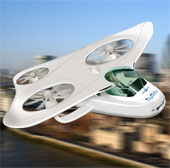
Climate change, traffic jams, poverty crisis: the problem posed in this century is probably how to secure human survival.
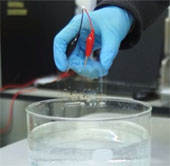
Recently, Korean scientists have figured out how to harness the power of toilet water to generate electricity.

Researchers at Singapore's Institute of Biotechnology and Nanotechnology (IBN) have found a new chemical reaction that can directly convert sugar into adipic acid.
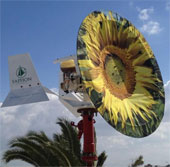
Saphon Energy has started green energy for Tunisia by designing wind turbines without the usual propellers.
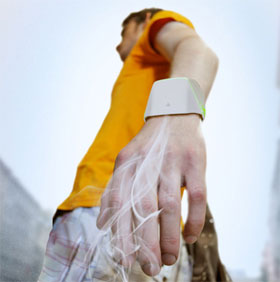
According to a new idea, the habitat may be healthier thanks to a portable air purifier.
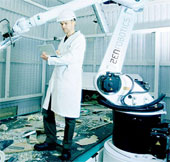
The Finnish company ZenRobotics has released a model of garbage recycling robots that they hope could help solve the problem of increasing global waste.

Eco-friendly cars can reduce greenhouse gas emissions by up to 80 percent by 2050.
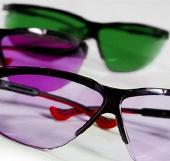
Neurobiologist Mark Changizi and Tim Barber of the 2AI lab in Boston, USA have created special glasses that can help people with red-and-blue blindness recognize these t…
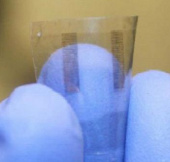
The scientists used one of the simplest and most unusual materials to create the latest and thinnest component in electronic devices: paper.
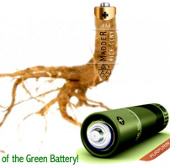
For many years now, scientists around the world have developed a number of technologies that allow for recharging in an environmentally friendly way, such as recharging…
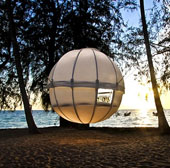
Have you ever thought that you would wake up in the morning in the middle of a lush green foliage and watch the sunlight gradually reach you like a butterfly slowly shed…

A team of experts in the UK creates blue, red, green ingots by changing the way they absorb and reflect the light of the metal.
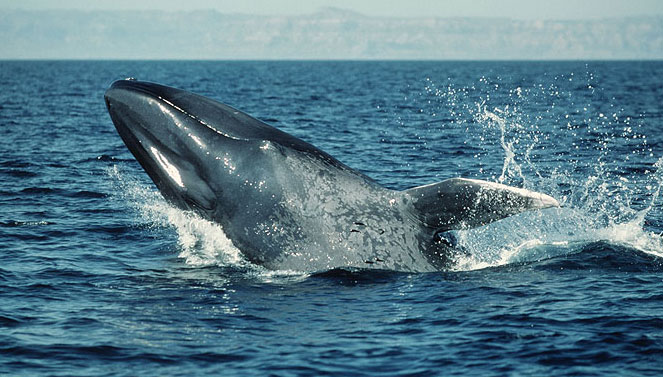
Australian scientists are using a submarine-based military technology to track rare blue whales at a distance of hundreds of kilometers.