Science story
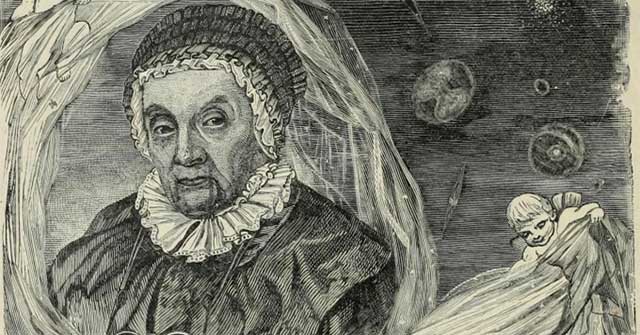
Caroline Herschel - The first paid female astronomer in the UK
In 1787, thanks to discovering many new celestial bodies and assisting her brother, Caroline Herschel was paid by King George III and became a professional female astron…
Browse ScienceInfo articles and explainers related to Herschel.
23 published items.
In 1787, thanks to discovering many new celestial bodies and assisting her brother, Caroline Herschel was paid by King George III and became a professional female astron…

The story begins early in the summer when Benjamin Day, the founder of New York Sun, meets Adams Locke, who claims to be a major journalist, attended the University of C…

Surely you will be surprised to know the great inventions of mankind: modern medicine, gunpowder, telescopes ... come from the idea of partiality.
It seemed like it was just a piece of green paper with gold dust particles on it, but it wasn't that simple.
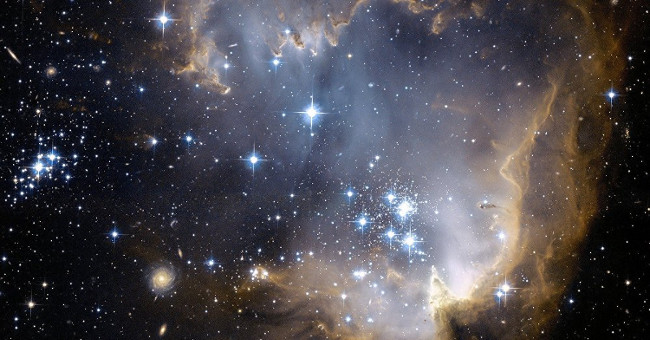
Learners at the European Space Agency (ESA) said the Herschel space telescope found two mysterious laser streams originating from a rare binary star system called the An…
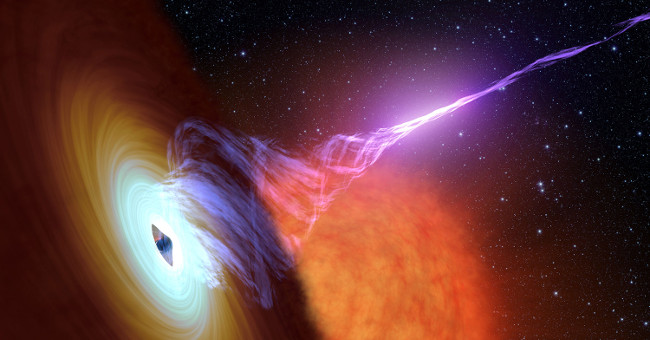
More unexpected detection involves black hole nozzles appearing in space.
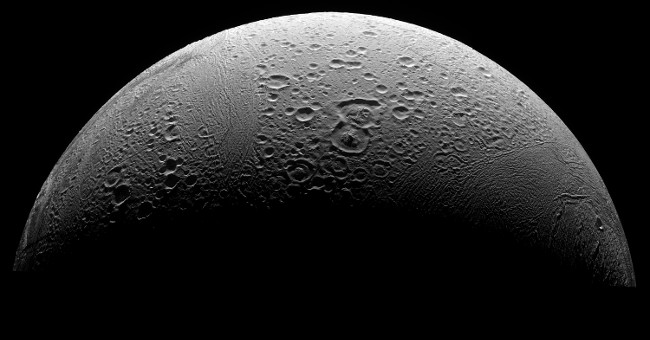
Enceladus is Saturn's sixth largest satellite. It was discovered by astronomer William Herschel in 1789 when he first used the world's largest telescope at that time, wi…
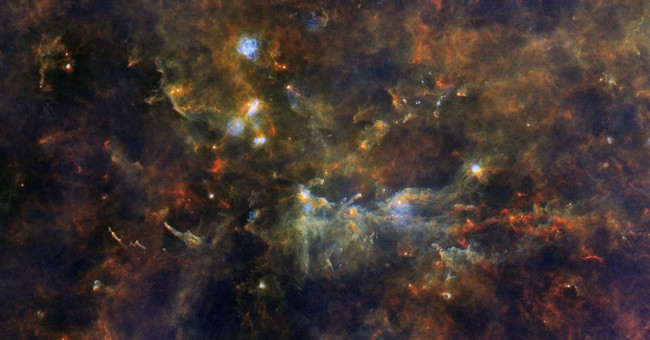
Human knowledge of the universe is limited by devices that discover the space that humans can create.
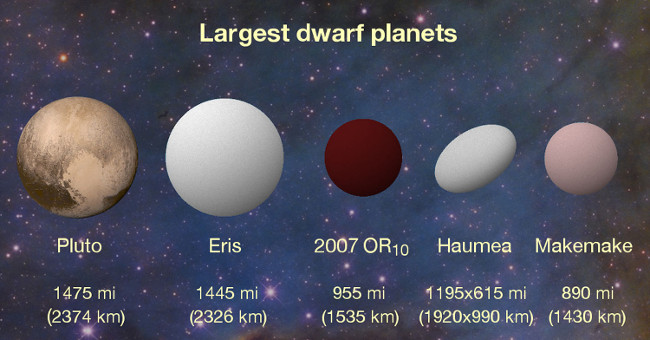
Researchers believe that the diameter of 2007 OR10 is 1,535km. At this size, 2007 OR10 will be the third largest dwarf planet in the solar system.
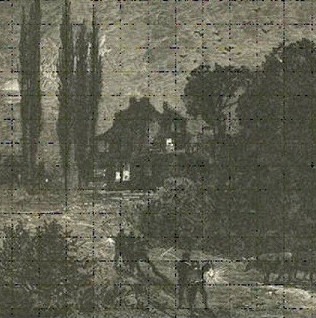
The sky in New England, America, one morning in May 1780 suddenly darkened. People in the area panicked about the final Judgment Day.
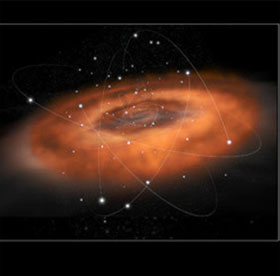
The Herschel Space Telescope has caused a great surprise for astronomers, when observing the extremely hot air being sucked into a black hole in the center of our Milky…
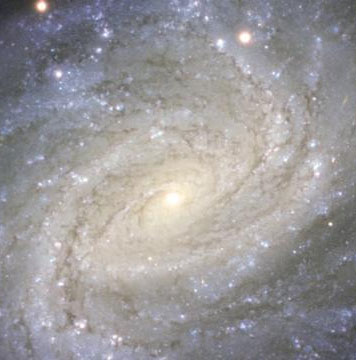
The galaxy, called NGC 1187, was discovered in 1784 by the English astronomer William Herschel. Far from being calm and unchanging, it has
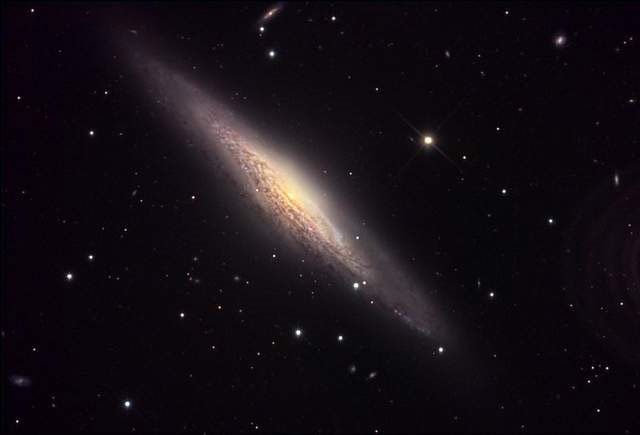
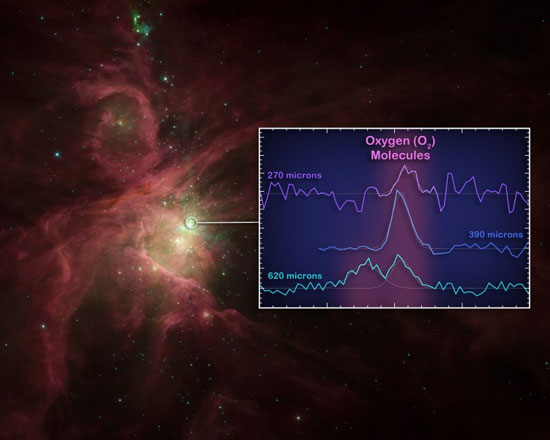
A group of scientists discovered the first oxygen molecules in deep space in the constellation Orion region, about 1,500 light-years from Earth.

A European telescope while looking for new young stars has a surprising discovery, which is a truly empty hole in space.