Scientific works
The house is energy efficient and environmentally friendly
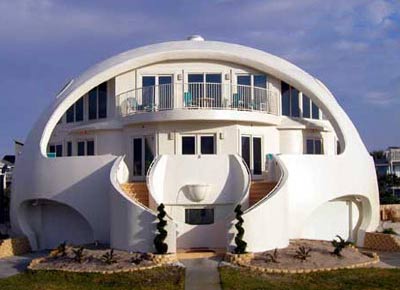
The most interesting houses under construction today are energy efficient and environmentally friendly.
Browse ScienceInfo articles and explainers related to Home.
945 published items.
The most interesting houses under construction today are energy efficient and environmentally friendly.
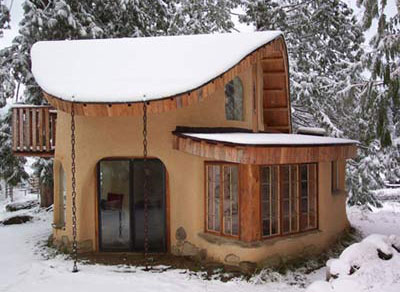
Today's houses are made of glass and steel, but they can be made entirely of ancient materials. Ancient construction techniques are something that architects and enginee…

An Australian couple has built a self-proactive home that follows the movement of the sun, like sunflowers.

Danish artists and a group of American engineers successfully built something that could help people cope with floods and land scarcity.

For centuries, people have always been concerned about the image of what future life will be like.
With a sense of environmental protection plus the scarcity of resources on Earth, architects in Germany are competing to design the most energy-efficient houses.

Want to learn how a crowd reacted when urgent, scientists now do not need to run to the street and scream
More than 100 kimchi buildings using smart technology have been completed and nearly 30,000 people have registered to live in these dream homes. On the outside, these bu…
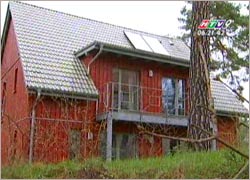
Currently, Germany has made active efforts in conserving energy by recent changes in the Construction Law, which lists energy conservation standards in construction, alo…
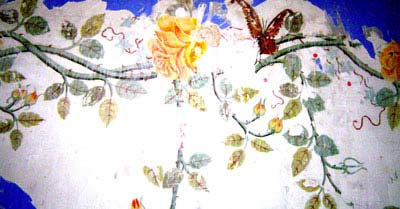
While renovating the old house about to fall at 109 Nguyen Sinh Cung Street, Vi Da Ward, TP. Hue; painters discovered many layers of lime, frescoes, frescoes that displa…

Living Steel is a program sponsored by the International Iron and Steel Institute. This is a project aimed at promoting new innovations in metal housing design whose mem…

People have traveled
At the end of 2012, Dr. Le Truong Son returned from the US to his wife's home after six years of living abroad.

Writer Doris Lessing took his last breath at the age of 94 at his home in London, England in the early morning of November 17.
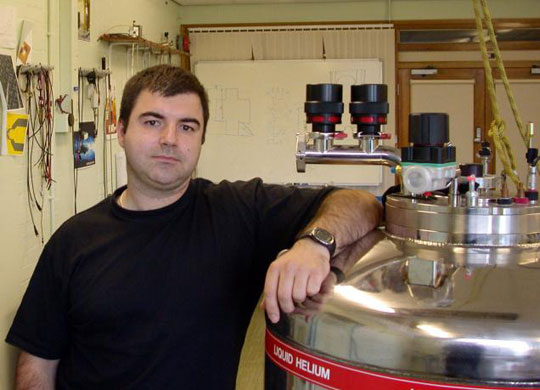
Thanks to a regular piece of Scotch tape, a cell phone and a pencil core, Russian scientist Konstantin Novoselov ...