Archeology
Revealing the reason why prehistoric people cut their fingers
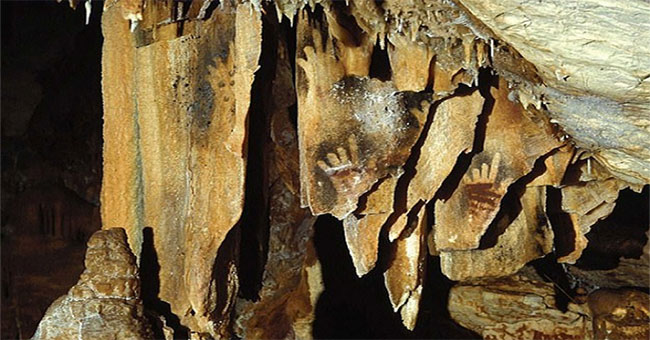
Cave art works created with red prints and some other ancient coloring agents of prehistoric humans were discovered in caves around the world.
Browse ScienceInfo articles and explainers related to Human.
6,757 published items.
Cave art works created with red prints and some other ancient coloring agents of prehistoric humans were discovered in caves around the world.
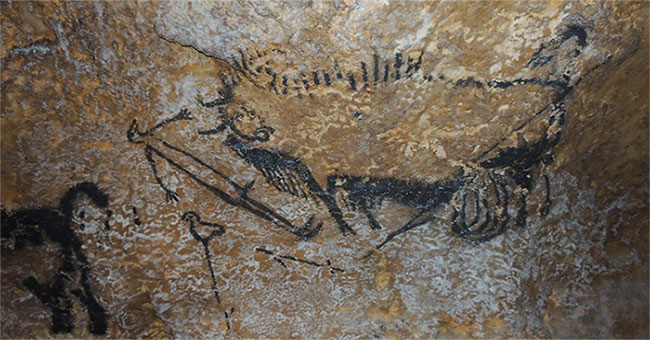
Ancient paintings discovered are believed to be the ancient star calendar of an estimated age of 40,000 years ago.
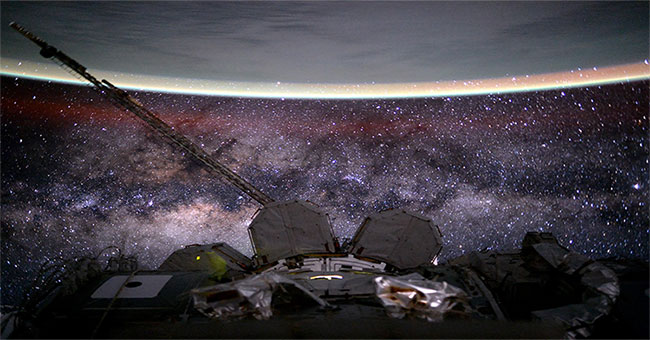
A package of goods containing tens of thousands of worms has been sent to space by British scientists to study the preparation of medicinal herbs to repel aging.
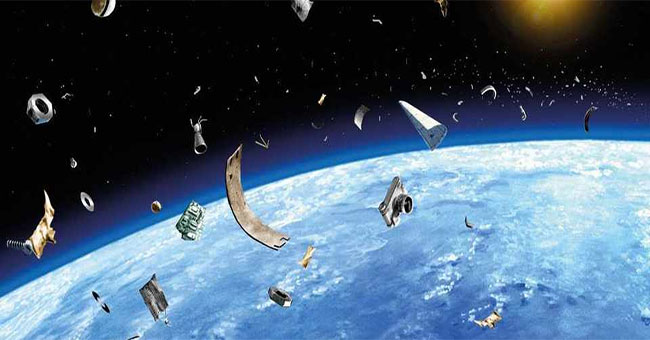
When it comes to pollution, environmental pollution is what most people think. Have you ever thought about polluting the universe? Chances are, this is the first time!

'This is a small step of a human being, but a giant step of humanity' is the words of Neil Armstrong when he put his first foot on the Moon on July 20, 1969.
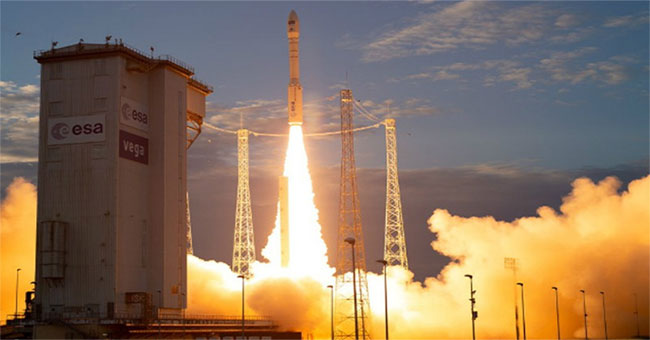
The European Space Agency (ESA) has launched a satellite to orbit a global level of wind on the earth's surface.
Do you know where the coldest place in the universe is located? With human knowledge at the moment, it is Nebula - a nebula located 5,000 light years away.
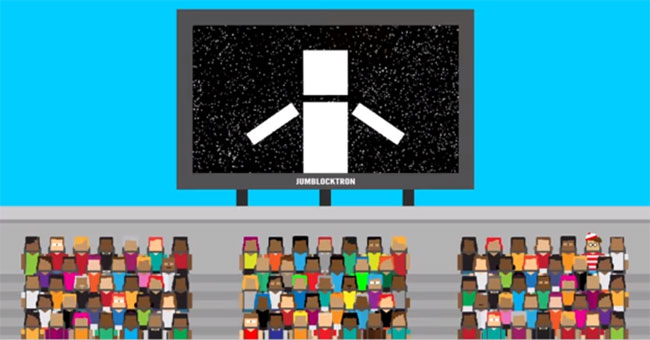
The average height of humans is less than two meters while the Earth's diameter is over 12,700km.
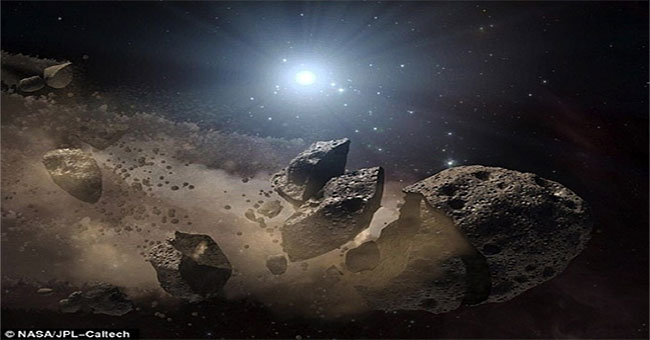
The motivation for scientists and entrepreneurs to understand meteors comes mainly from human survival instincts.
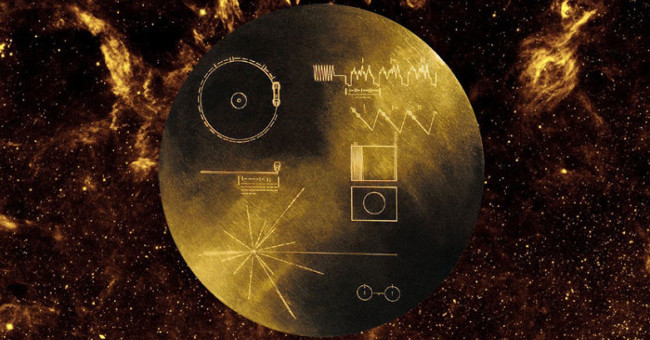
Golden Record, released into space in 1977 by the US Aerospace Agency, can bring a completely different message to aliens.
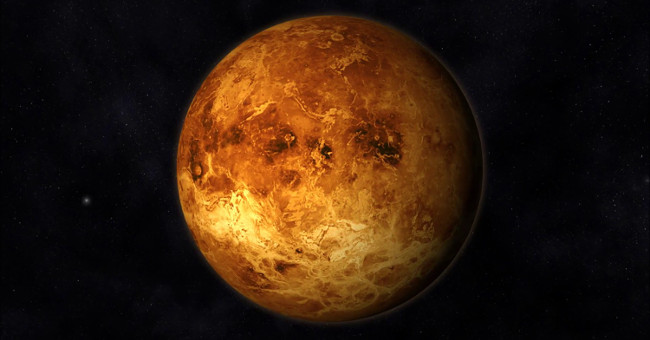
Venus has a very harsh environment but the space 50km above the ground can be suitable for people to live.

Scientists say this is not the first attempt to treat colds by focusing on human cells.

This is the 4-year effort of German research, just announced earlier this week at a conference in France.
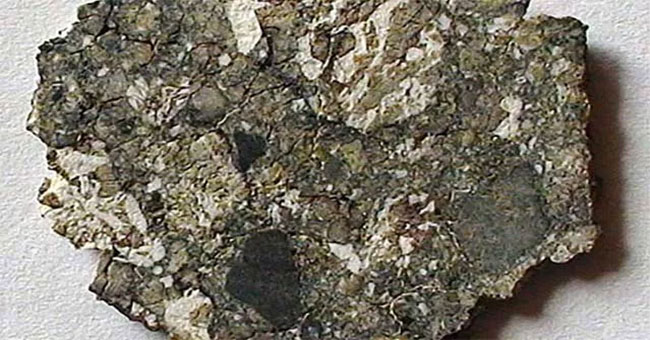
According to phys.org, the new discovery was published by the research team from Tohoku University in Japan on the Science Advances website.
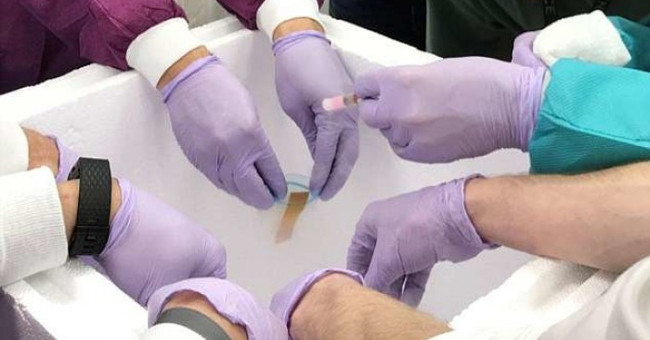
The US Aerospace Agency (NASA) first sent sperm to the International Space Station (ISS) to study whether humans can conceive in a zero gravity environment.