
Biology
Detecting some skin bacteria against ulcers
Professor Richard Gallo and colleagues have been studying the skin surface of people with certain bacteria to help prevent ulcer-related diseases.
Browse ScienceInfo articles and explainers related to Human.
6,757 published items.
Professor Richard Gallo and colleagues have been studying the skin surface of people with certain bacteria to help prevent ulcer-related diseases.

French scientists have found a way to quickly create human skin from stem cells.

If American scientists' research is successful, there will be a new food that provides millions of people. These are genetically modified cottonseed.

Kyoto University scientists have succeeded in cultivating multipurpose artificial stem cells (iPS) taken from adult skin fibroblasts.


A study by the University of Melbourne (Australia) said kangaroo (kangaroo) may be the

Hookworms, scabies, roundworms, pinworms, tapeworms ... are parasites that cause people many unpleasant, annoying, even life-threatening diseases.

A group of experts from the British Academy of Medical Sciences announced that they began to conduct a new study evaluating the experimental implantation of human DNA in…

By changing the NR2B gene, scientists created a mouse
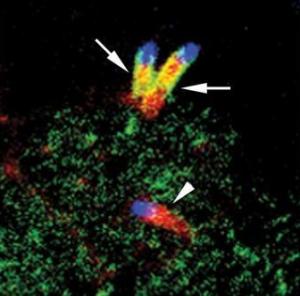
Microbiologist Professor Keith Ireton of Florida State University has announced an active mechanism that plays an important role in the spread of deadly bacteria in food…

Indian agricultural experts claim they have just created a variety of rice that humans can eat after soaking in water, without cooking ...

Cow, goat, horse ... eating grass is common, but carnivorous plants are a strange thing, it has been a long time but it is always exciting for bonsai lovers ...

A new study published in Massachusetts (USA) shows evidence of human evolution is continuing.
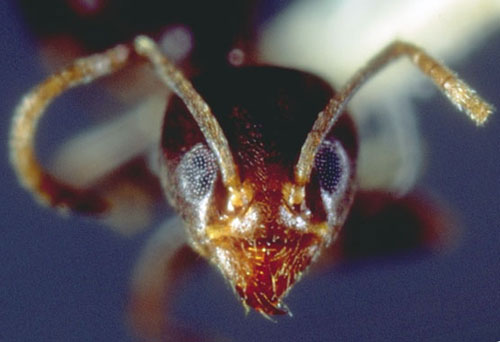
Argentine ant populations are growing throughout the world at a tremendous rate. Scientists began to mention this phenomenon seriously, whether they flooded the Earth,

Every human on earth has at least 100 mutations in DNA, genetic material at the molecular level.