
Medicine - Health
You will die at 11 am or 6 pm?
Will you die at about 11am or around 6pm? Your genotype can say that.
Browse ScienceInfo articles and explainers related to Human.
6,757 published items.
Will you die at about 11am or around 6pm? Your genotype can say that.
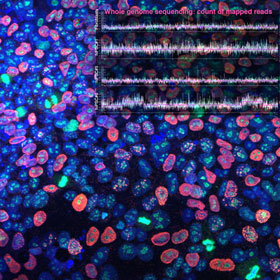
Current science suggests that all cells in the body contain identical DNA. However, a new study of skin stem cells has found that genetic variation is widespread in the…
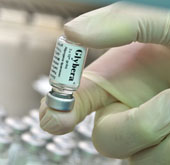
In a statement released on November 5, Dutch biotech company uniQure said it would start selling the first human gene therapy called Glybera in the European market next…

As a human being, at some point, everyone has to leave the present life to
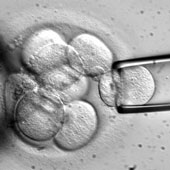
Scientists in Oregon created embryos with genes from a man and two women.

Whether you love or hate cow's milk, cow's milk is always a great source of calcium and vitamin D. Today scientists think they can exploit cow's milk to protect people f…

People championed longevity compared to other primates, and the new research results appreciate the role of grandparents in this happy reality.
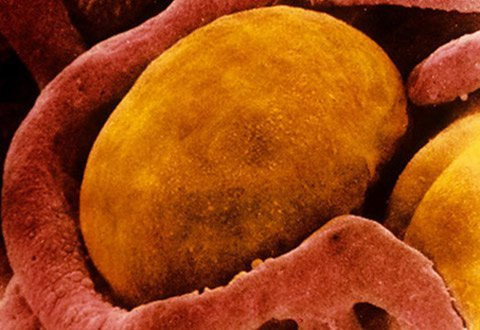
Dana-Farber Institute of Medicine scientists (USA) have found that in brown body fat brown and white fat also has another type of light pinkish brown (often called beige…

Human lifespan is at the highest level in history, increasing much faster than expected and does not seem to follow genetic rules.
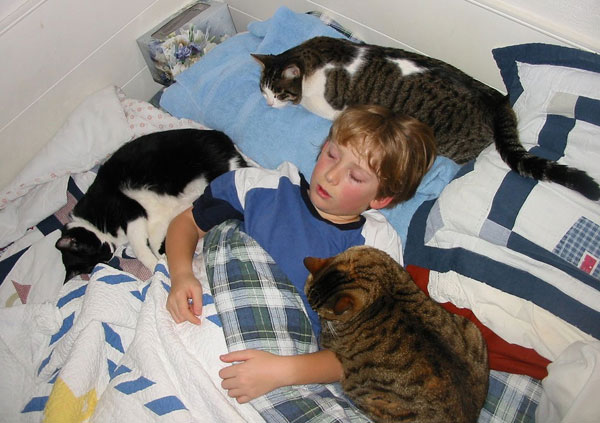
Scientists in the United States found pets like cats and dogs can be infected with flu, according to myhealthnewsdaily.

The desire to call a specific person and continue the conversation with them depends heavily on the weather. This is the research result published by the scientists at N…
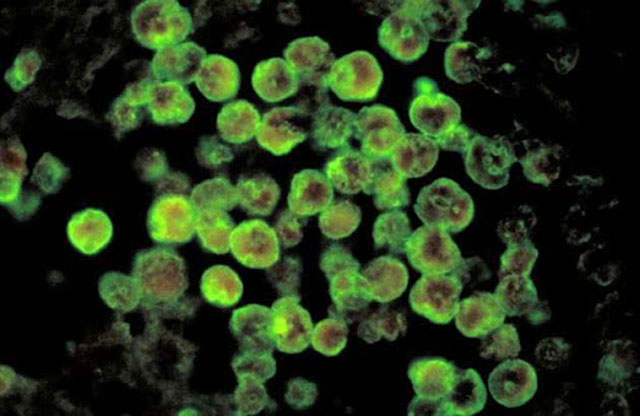
Human brain amoeba worm killed 10 people in Karachi, Pakistan. While the origin of this brain-eating amoeba has not been clarified, the authorities warn people to use ch…

Scientists have discovered many harmful effects of carbonated beverages on the human body. However, the effect of this beverage on children has not been fully understood.
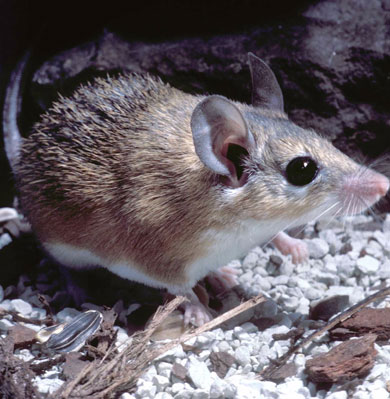
Spiny mice can regenerate lost skin and flesh without scarring, giving hope to find ways to regenerate lost cells and parts of the human body.
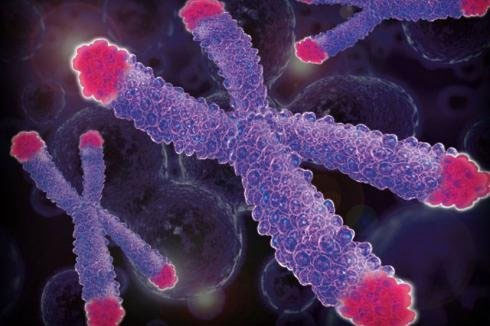
Scientists at the Spanish National Cancer Research Center have announced that they have successfully extended the life of experimental mice by 24%.