
Environment
Global warming delays the next ice age
Humanity will face the next ice age more than 50,000 years later than the inherent rule. The reason is due to global warming that the culprit is human.
Browse ScienceInfo articles and explainers related to Ice.
1,605 published items.
Humanity will face the next ice age more than 50,000 years later than the inherent rule. The reason is due to global warming that the culprit is human.
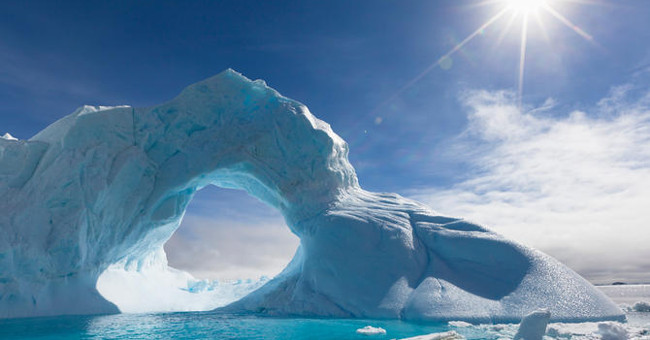
A large canyon system and lake have been discovered beneath the ice of the Antarctic continent, according to observations from satellites.
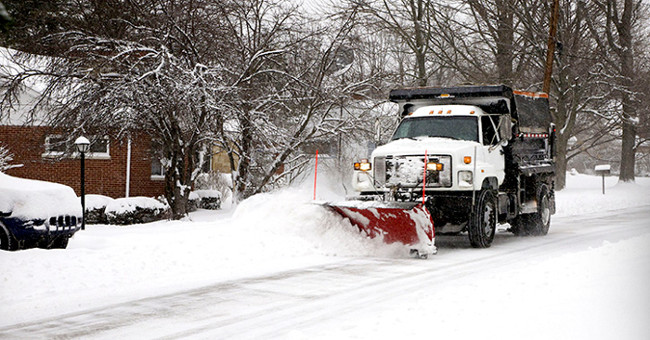
Ice surface formation on asphalt roads in winter can cause unavoidable accidents.

The world today is more likely to be shaped by a giant tsunami nearly 100 meters high caused by meteorites.
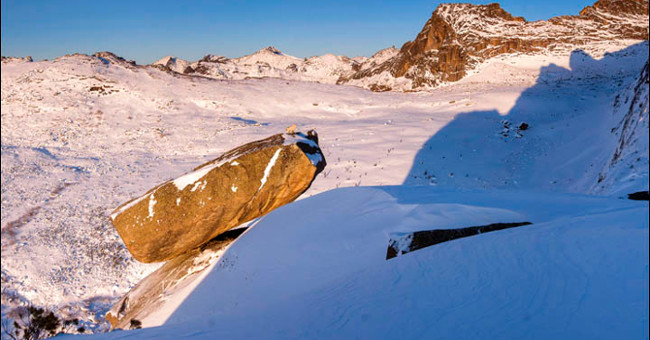
Massive granite blocks lie on the edge of the edge from the ice age of tens of thousands of years ago, as they did not bear the attraction of gravity or the thrust of vi…
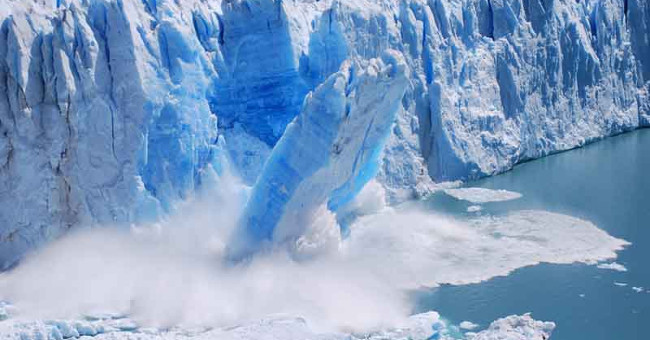
The ice melts due to global warming causing the Earth to rotate more slowly and become longer.
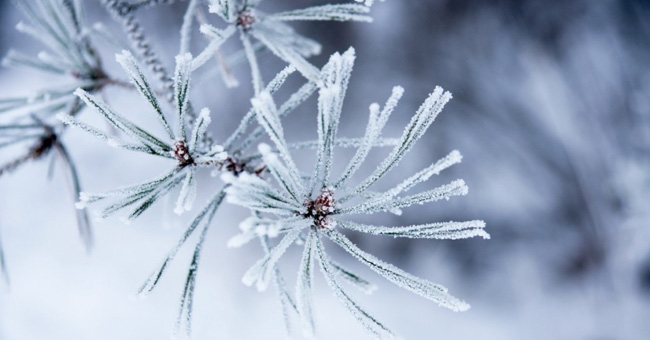
Snow thunder, dew frost, hard frost ... are unexpected natural phenomena.
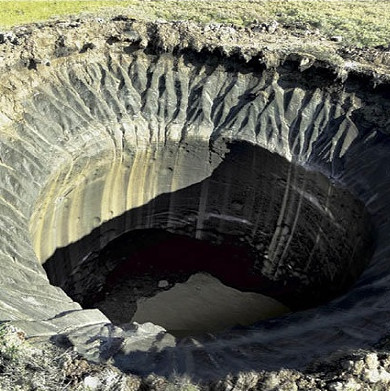
A large area in Siberia, Russia has large craters that can be seen from the universe.
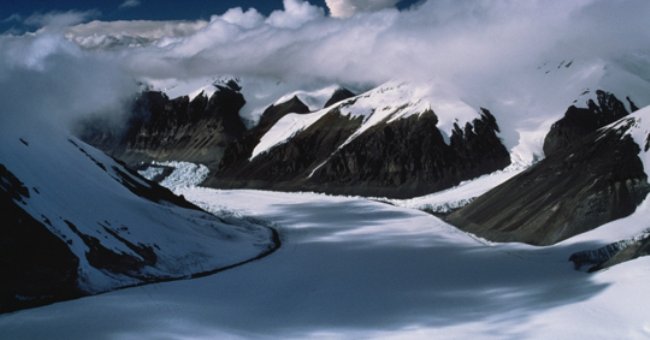
A series of glaciers on the Tibetan Plateau are melting and that situation could have a negative impact on Vietnam and many other Asian countries.
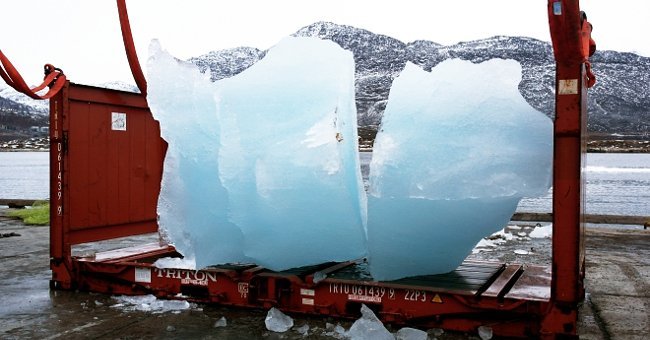
The display of 12 Arctic ice sheets in France has a special meaning, while global leaders are discussing measures to limit global temperature rise.
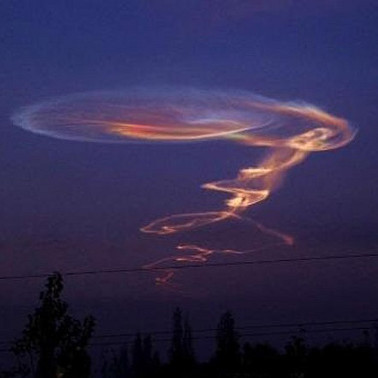
In early November, people in a village in Xinjiang, China, shared on Weibo social network the image of a shining five-color cloud, looking like a dancing fairy.
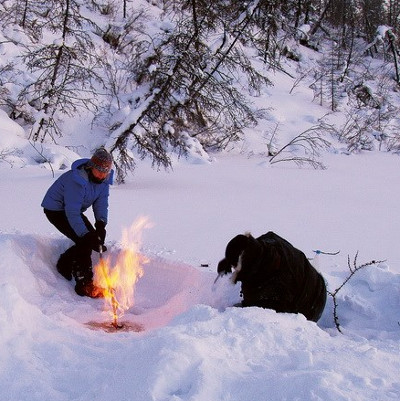
Russia's territory is annually narrowed to an area of Andorra, a small European country with an area of 468km2 due to melting ice and erosion of the northern coast.
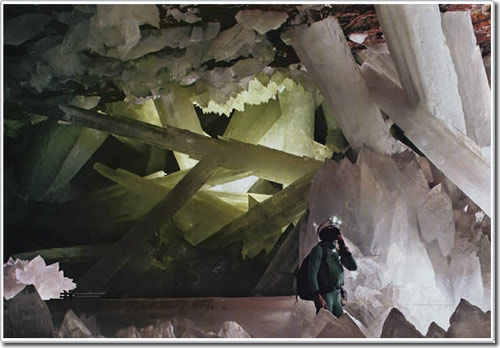
Changes in weather, earthquakes, the effects of nature ... over a long period of time have created wonderful natural caves in the world that amaze people.
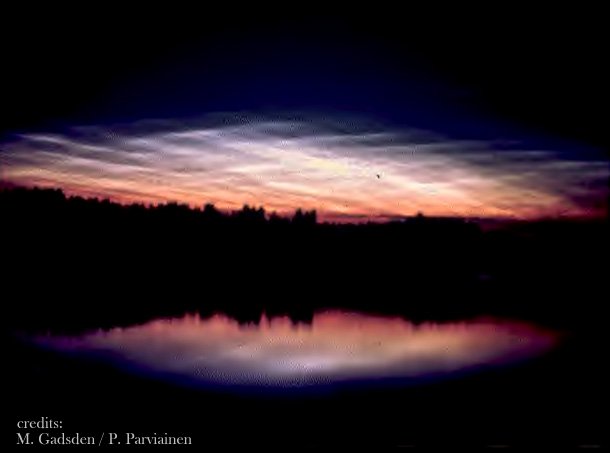
A plasma physicist from the California Institute of Technology (Caltech) finally found the answer to the strange characteristics of noctilucent clouds, ending decades of…
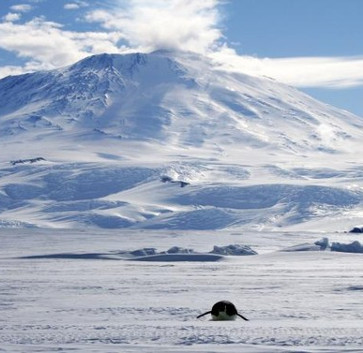
The US Space and Aeronautics Agency (NASA) said that over the past decade, the amount of ice accumulated in Antarctica was greater than the amount of ice lost.