New technology
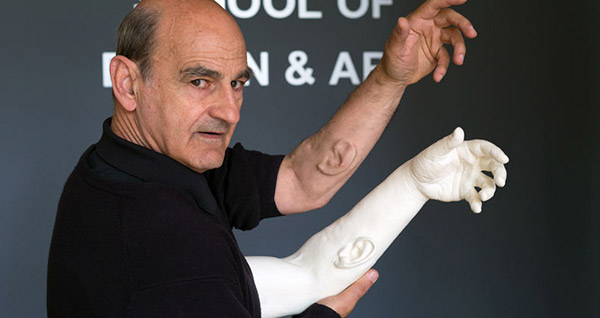
Raise the artificial ear on the arm to create a hearing device
Stelarc, a professor at Curtin University in Australia and a well-known performer, implanted a bi-polymer ear under the skin of his arm. Within 6 months, the tissues and…
Browse ScienceInfo articles and explainers related to Implant.
416 published items.
Stelarc, a professor at Curtin University in Australia and a well-known performer, implanted a bi-polymer ear under the skin of his arm. Within 6 months, the tissues and…
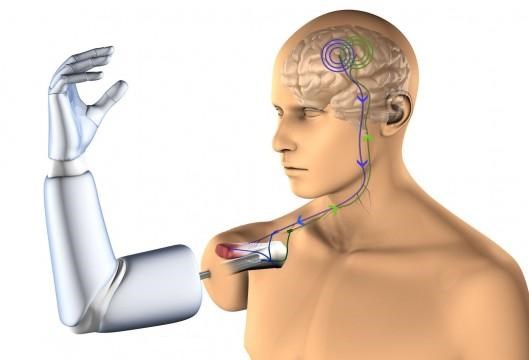
US scientists have reportedly transplanted artificial neural devices into a brain region of people with paralytic paralysis or loss of limb, enabling the patient to tran…
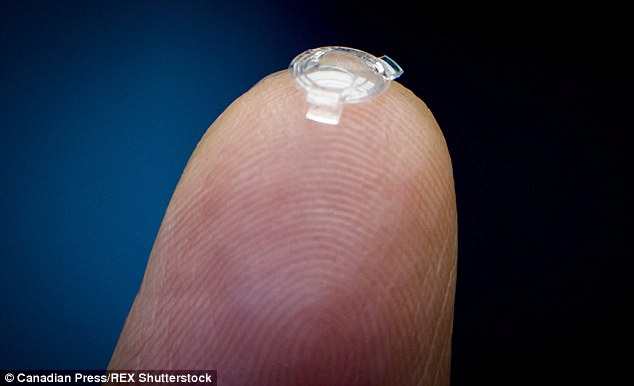
This is a type of contact lenses that use biological materials, can be permanently implanted into the human eye.
A quadriplegic woman in the United States can manipulate the F-35 model by thinking, using brain implanted parts.
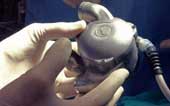
Scientists successfully implanted no artificial heart for a sheep and could test the human body in 2018.
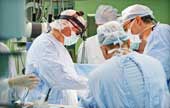
For the first time in medical history, doctors at Stellenbosch University and Tygerberg Hospital (South Africa) have announced successful penile implants.
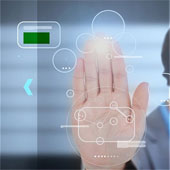
A high-tech office block named Epicenter in Sweden has recently adopted a particularly convenient way to help its employees unlock and print in the office, which is thei…
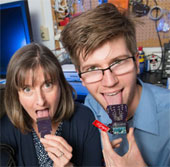
Researchers from Colorado State University (CSU) have introduced devices that help deaf people hear with their tongue.
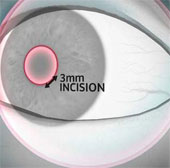
A new surgical approach can help people with poor eyesight bypass the glasses.
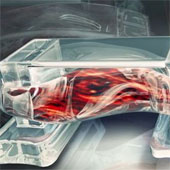
Scientists at the University of Illinois, Berkeley, have created a robot that is just over 1cm in size, built on the backbone hydrogel printed from a 3D printer.
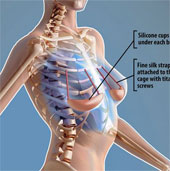
Three British women underwent a new, revolutionary surgery, in which they were fitted with a 'breast enhancer' under their skin to resist the sagging of the first round.
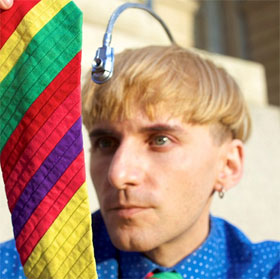
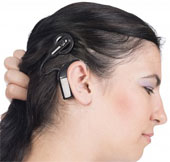
Thanks to state-of-the-art technology and the development of electronic cochlear implant technology, hearing impaired people can now partially restore hearing.
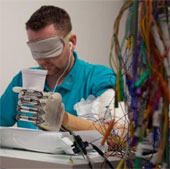
Scientists have successfully created prosthetic devices that allow the mucosal hand to feel like grip.

Research by Tel Aviv University scientists in Israel, using small 3D print technology, creates a biopsy-compatible device for humans and transplants into the body.