New technology
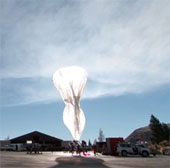
How did Google hold the Wi-fi balloon above?
Google's Project Loon project will cover the Internet with 99% of the Earth area via Wi-fi waves from hot air balloons.
Browse ScienceInfo articles and explainers related to Internet.
1,149 published items.
Google's Project Loon project will cover the Internet with 99% of the Earth area via Wi-fi waves from hot air balloons.
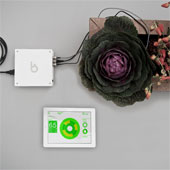
As one of the latest products in the era of strong internet development, Bitponics system is one

European computer scientists have created the internet for robots, or cloud computing, to support robots.
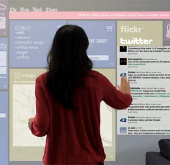
In the future, don't be surprised when walls can 'chat' with you, if you stand in an 'iPad home', when all surfaces are touch screens.
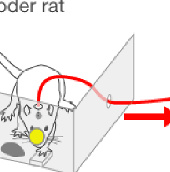
Scientists at the Duke University Medical Center in the United States have established direct communication between the rats' brains in the same laboratory and can e…
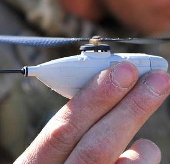
The British Army is using remote-controlled helicopters to monitor threats from the enemy.
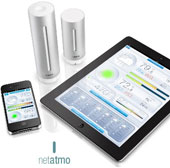
Through the wireless internet, users will be able to download support for devices like the iPhone or iPad and synchronize with the Netatmo.

In addition to the real wealth, virtual assets accumulate over many years of activity on the internet also included in the will of some people. B
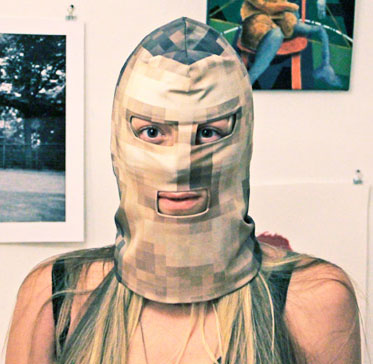
A German artist who created a hood made surveillance cameras 'confusing' in the context of increasingly popular tracking devices in the country. The birth of this hood h…

Would you like to stay in the park while surfing the web? If you go to Kfar Kedem Park, or Yore Village in Israel, your needs will be met by the donkeys here.
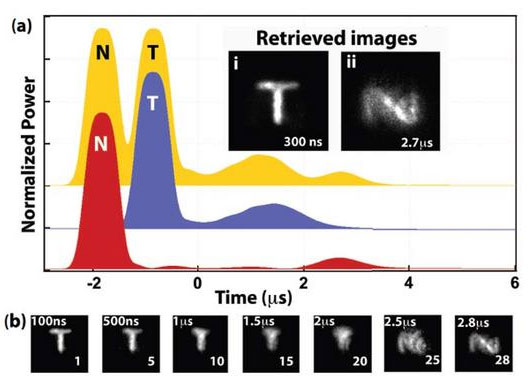
Quantum physicists at the Australian National University have successfully developed a completely new data storage method: vapor storage instead of solid-state storage s…
LG, the world's second-largest telecoms maker, is poised to hit the US market with its Google-based Internet TV set on May 21 to market a bigger share of the market.…
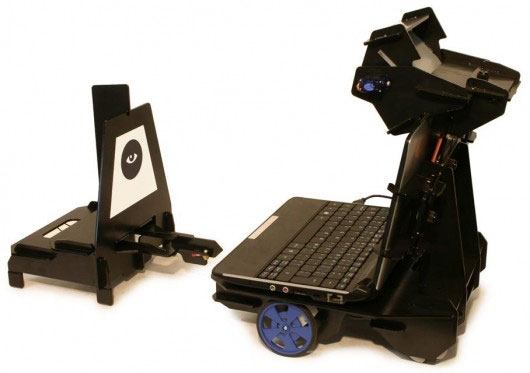
The Oculus telepresence robot was created by Colin Adamson, a Canadian industrial designer.
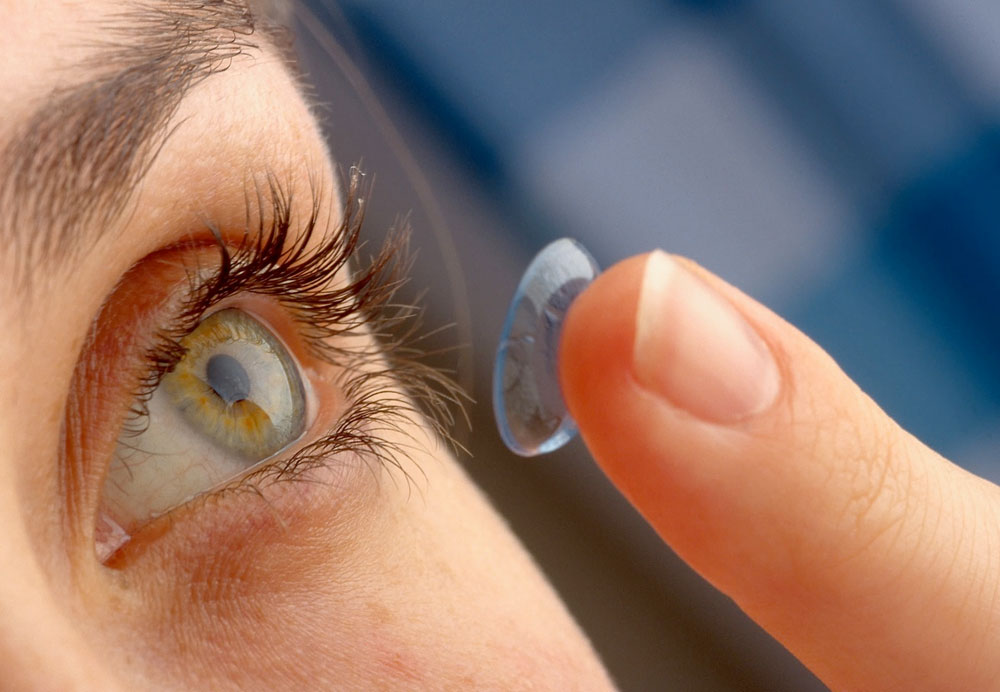
Professor Babak Parviz and colleagues at the University of Washington are working to develop a contact lens that can connect to the internet, receive and display informa…
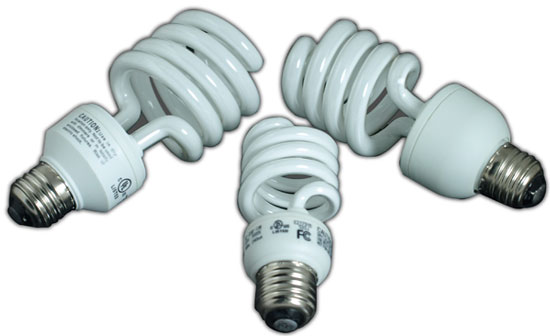
Professor Harald Hass at Edinburgh University in the UK says he has developed a technology that can transmit data through a normal light bulb.