Medicine - Health
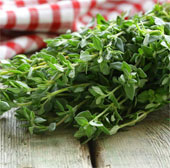
5 health benefits of thyme
Thyme is a delicious vegetable and has many healing properties. It works to treat abdominal pain, diarrhea, arthritis, sore throat and many other diseases.
Browse ScienceInfo articles and explainers related to Iron.
415 published items.
Thyme is a delicious vegetable and has many healing properties. It works to treat abdominal pain, diarrhea, arthritis, sore throat and many other diseases.

Black stools may be when you are taking iron, may also be a sign of a serious disease. If silver proves your intestines are bad.

Iron deficiency has a big impact on your health. And women are the most vulnerable group to iron deficiency.
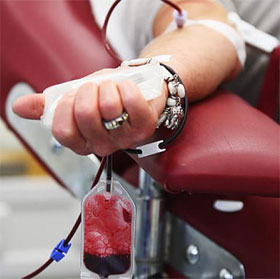
You will save 3 people with every donation. And blood donation is so great that it is not only beneficial for the recipient but also for the donor.
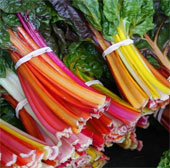
Beetroot leaves are rich in fiber, calcium, iron, vitamins A and K, have a half-flavored taste like beetroots, half as kale, and eat very well. But when cooking, housewi…

Signs on your face can reveal many things about your health, from digestive problems to iron deficiency.

An American woman who spent 61 years living in an iron tube covered her entire body from the neck down, acting as a giant lung breathing for her after being paralyzed.
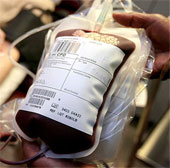
Donating blood not only helps save lives but also provides health benefits for donors, such as helping reduce the risk of heart disease and cancer.

The enormous health benefits of breast milk are nothing to discuss or doubt.
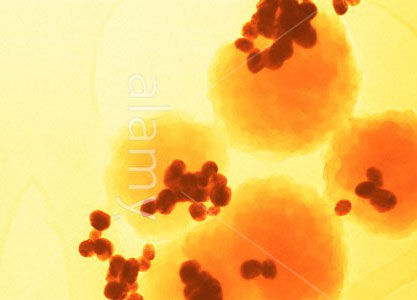
Cancer cells can be burned with new technology, using the magnetic field of magnets in combination with iron oxide molecules.

People aged 50 years or older need to consider taking measures to reduce foods that contain a lot of copper and iron.

Red wine is only suitable for meat, while white wine is suitable for fish. Are those comments correct and why?

Every activity of organs in the body has a certain golden hour. Understanding this rule, we will have a scientific 'timetable'.

IAEA is researching to use nuclear technology to improve the feeding of children at risk of malaria, tuberculosis and other infectious diseases.

Currently, about 3.5 billion people worldwide eat iron deficiency, so adding iron to common foods is a way to prevent the lack of this substance.