Space science
For the first time, humans can discover Jupiter's deepest mystery
On July 4, 2016, mankind will approach Jupiter at the closest distance ever.
Browse ScienceInfo articles and explainers related to Jupiter.
335 published items.
On July 4, 2016, mankind will approach Jupiter at the closest distance ever.
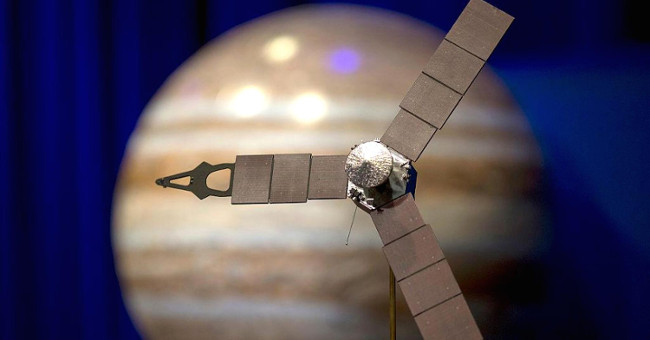
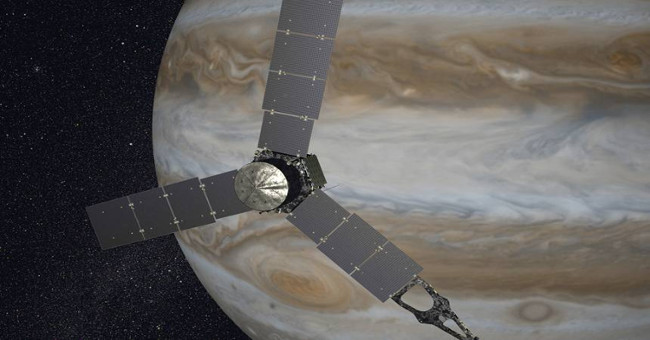
At 22:00 today, July 4 in the US (ie 10 am 5/7 in Vietnam time), NASA's Juno unmanned space shuttle will approach Jupiter closer than any other ship. Any cylinder before.
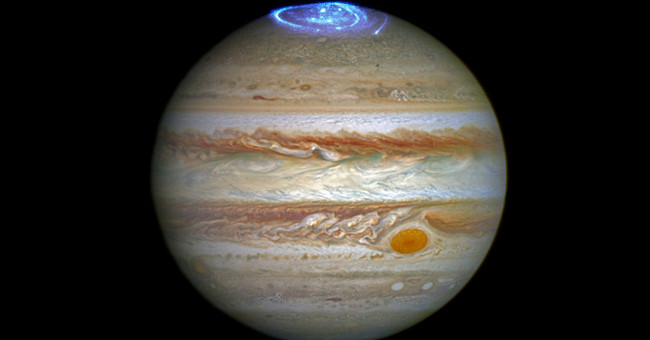
Jupiter's magnetic field is hundreds of times higher than Earth's, so the aurora phenomenon on this planet never stops and has a greater intensity than on Earth.
Today, Google changes its doodle to celebrate an extremely important event of the aerospace industry.
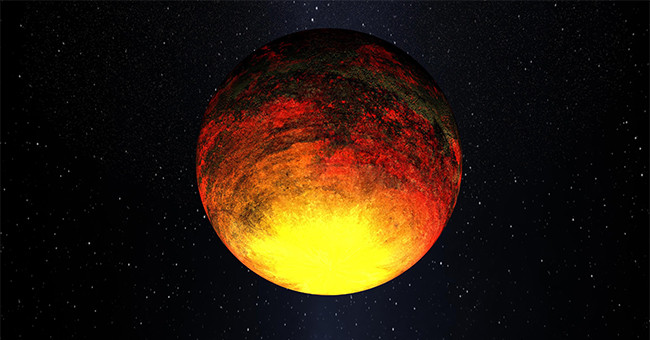
It is the largest, dense, smallest, closest to earth, the planet has hail, many sunsets, the hottest, the oldest ...
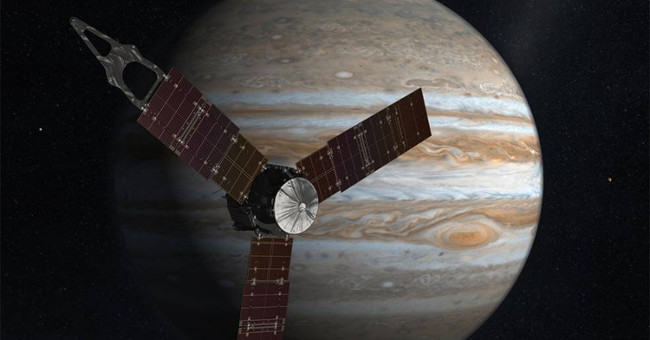
NASA said it will hold a press conference at 11am on June 16 to disseminate information about their Juno spacecraft preparing to reach Jupiter (Jupiter) on July 4.
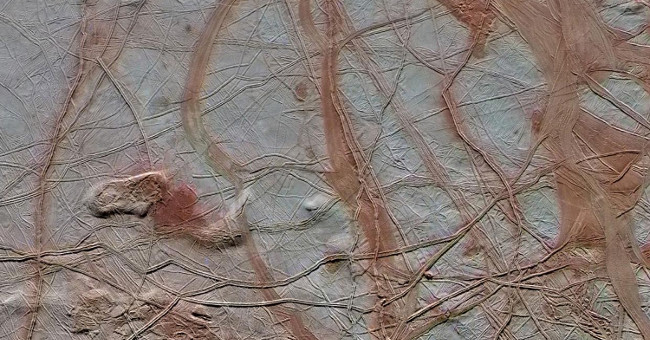
Researchers from NASA discovered that the rate of oxygen and hydrogen production on Jupiter's satellites is similar to that of the earth.
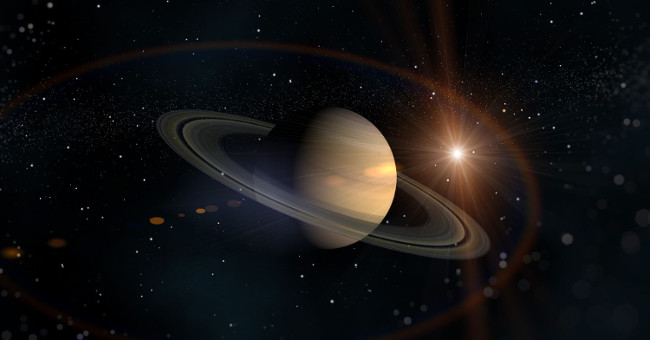
American scientists estimate that every year the amount of diamonds pouring into Saturn can be up to a million kilograms.
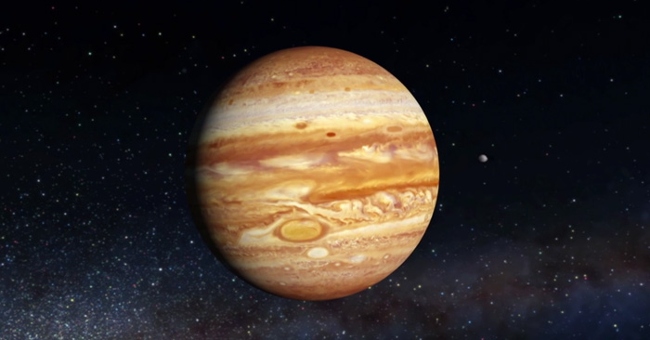
The video recorded by amateur astronomer John McKeon on March 17 was unexpected
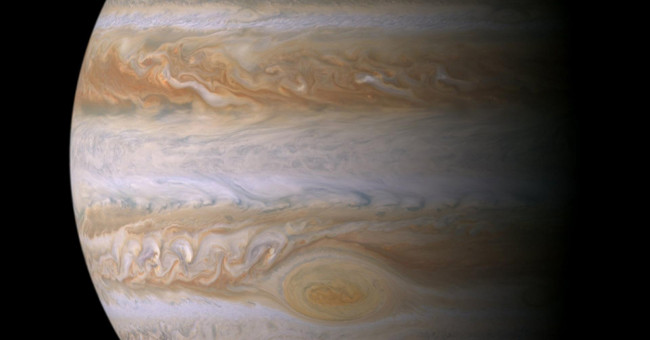
A flash of light appeared on the largest planet in the solar system on March 17 and experts said it could have come from a meteorite or comet.
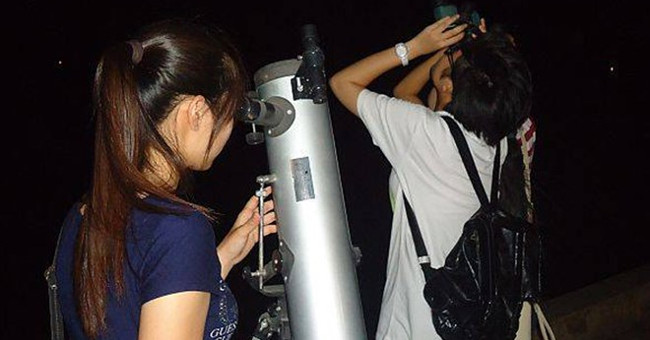
At this time, astronomers all over the world can observe 5 planets of Mercury, Venus, Mars, Jupiter and Saturn in a straight line.

Ancient Babylonians used complex mathematical operations to track Jupiter's movement in the night sky from 350 BC.
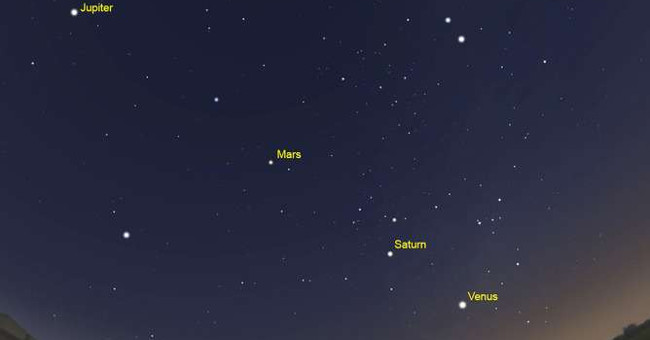
Five planets are Mercury, Venus, Mars, Jupiter and Saturn will be lined up in a straight line this month and the event is visible to the naked eye.
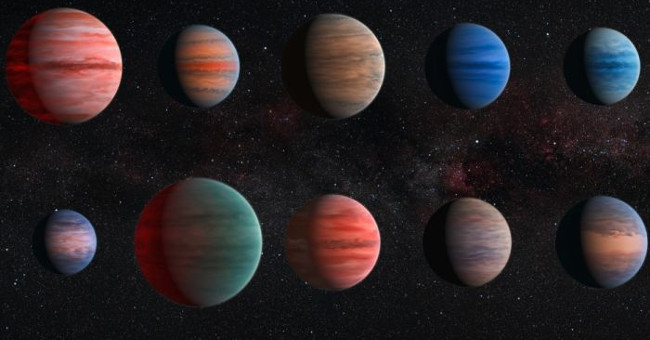
The astronomers' new findings point to a giant group of gas extraterrestrials outside the solar system covered by water-storing clouds.

Earlier this year, NASA said it was developing a solar spacecraft, scheduled to launch in 2020 to study the Jupiter system.