1001 mystery
Huge ancient temple and unresolved mysteries
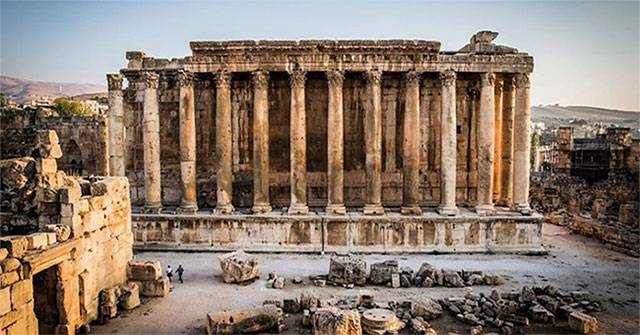
Constructed from hundreds of tons of stones, the Jupiter temple in Lebanon is one of the buildings marking ancient civilization.
Browse ScienceInfo articles and explainers related to Jupiter.
335 published items.
Constructed from hundreds of tons of stones, the Jupiter temple in Lebanon is one of the buildings marking ancient civilization.
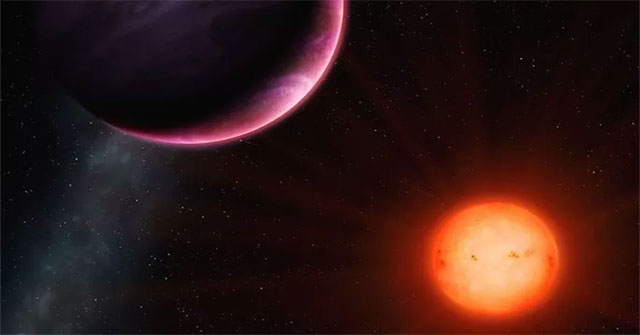
A giant planet with a mass of 318 times the earth has used its gravity to keep our planet from orbiting.

Astronomers at the Carnegie Institute of Science have discovered just 20 new moons of Saturn using the Subaru telescope in Hawaii.
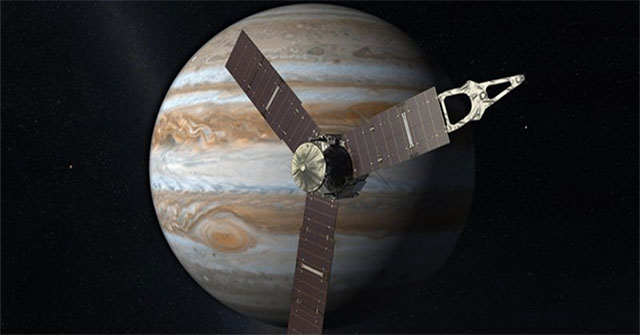
Juno spacecraft burns the engine for 10.5 hours to accelerate, beyond the sphere of eclipse effect.
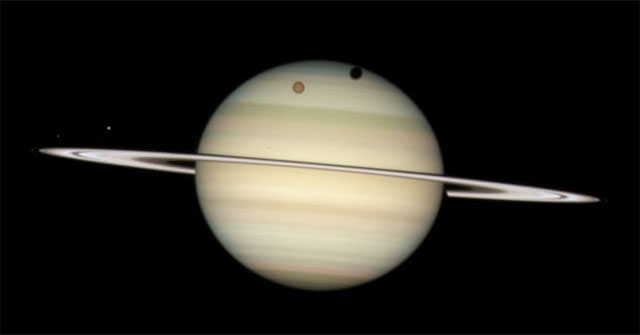
The number of asteroids orbiting Saturn is 82, surpassing 79
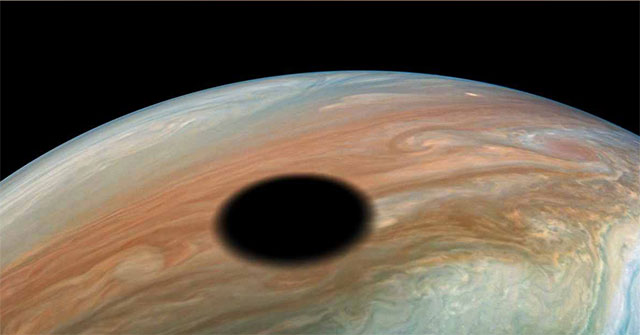
A space mission by NASA has found a giant black spot on Jupiter.
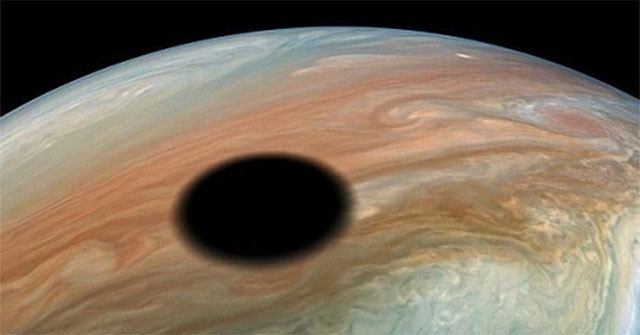
NASA's Juno probe captures the moment when the Moon Io obscures the Sun, creating a shadow on the surface of a giant gas planet.
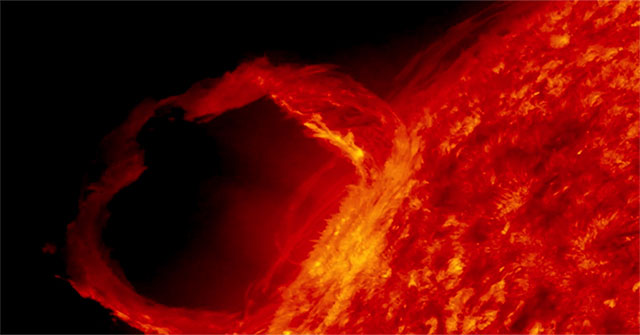
Research by German scientists found a correlation between the number of sunspots and the alignment of Venus, Earth and Jupiter.
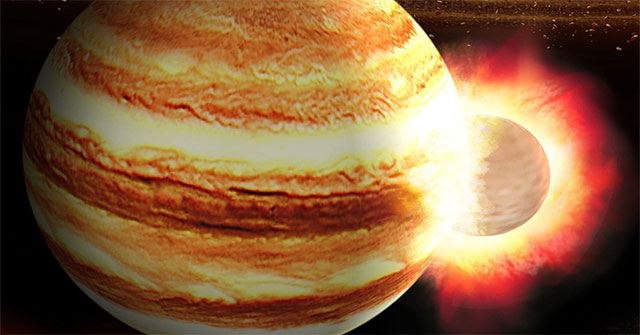
Jupiter is a giant sphere of gas that is always in a boiling state, and it is difficult to see through thick clouds to see its core.
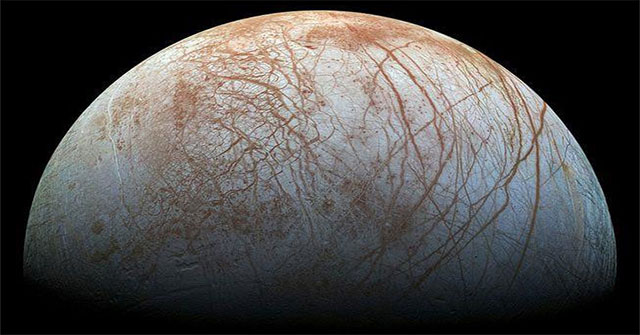
Europa is Jupiter's fourth largest moon with a liquid, salty ocean beneath the icy crust. The new finding suggests it may contain essential ingredients for life.

Astronomers all know that June is the 'golden' time of the year to see Jupiter at the time of its brightest and biggest in the night sky.
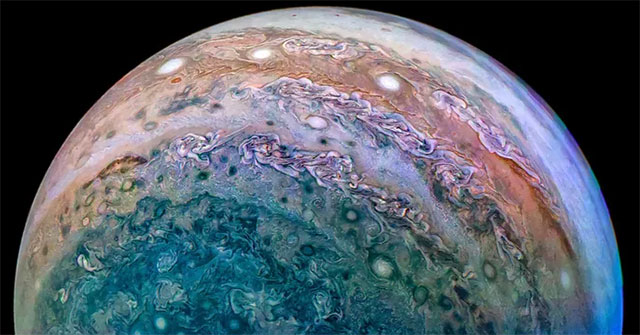
Earth people will have the opportunity to admire the gas giant of the Solar System and the moon of life, its volcanic moon ... in this June.
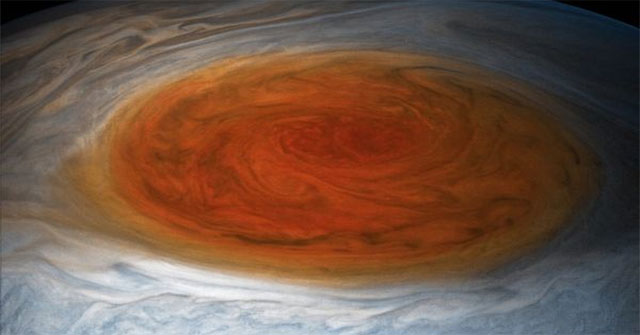
Astronomers say the giant storm on Jupiter, famous for the name 'Big Red', is gradually melting over time.
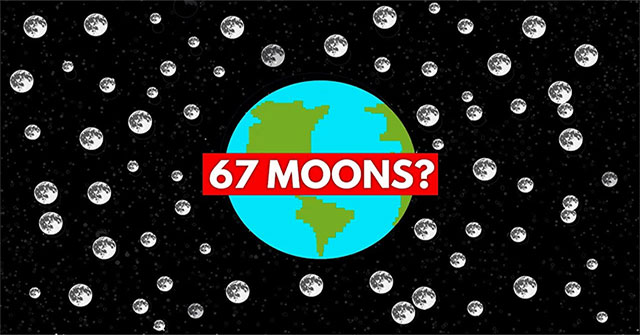
The tides that occur abnormally, more eclipses and harder to launch spacecraft may be a consequence when many moons orbit the Earth.
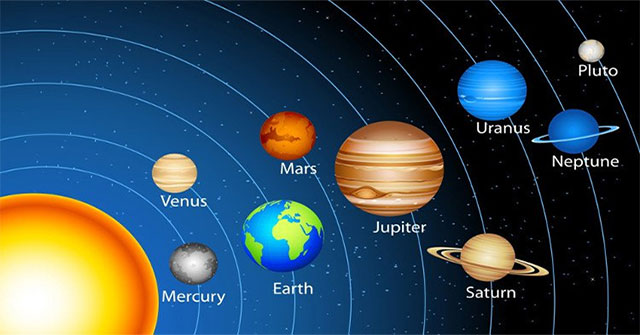
The Solar System (or Solar System) is a planetary system with the central Sun and celestial bodies within the Sun's gravity range, all of which are formed by the collaps…