Sinh vật học
The species of blood-sucking plants
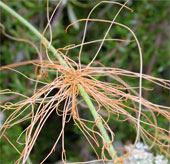
Like Dracula's blood-sucking demons, the dodder will wrap itself around the parasite and drain all the water, nutrients and genetic material from the trunk.
Browse ScienceInfo articles and explainers related to Like.
5,993 published items.
Like Dracula's blood-sucking demons, the dodder will wrap itself around the parasite and drain all the water, nutrients and genetic material from the trunk.
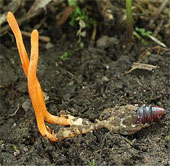
Cordyceps was first discovered and described by a scientist in 1843.
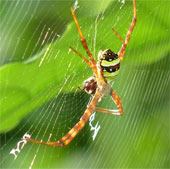
Scientists have found that sophisticated spider webs can produce sounds like a stringed instrument.
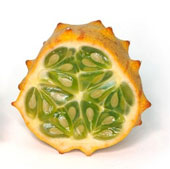
The Jabuticaba fruit grows on Kiwano's body, melons, Ackee ... are strange fruits with a unique shape and taste.

Looking from afar, this greasy green caterpillar seems to be a very attractive dish for any predator.
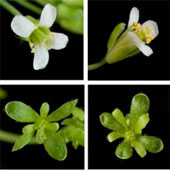
For the first time, scientists have discovered how parasitic bacteria can turn plants into living corpses, like in animals.
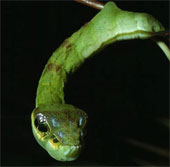
Moth larvae transform the body shape with many snake-like characteristics, which can camouflage the enemy.
A new study has found that plants are creating a calcium wave to be able to survive in increasingly salty soil.
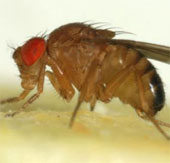
Austrian experts have created a line of fruit flies that can fly backwards like Michael Jackson's famous dance technique.
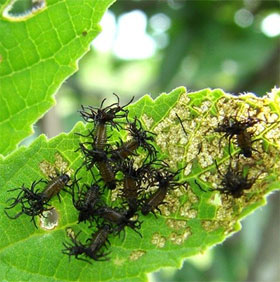
Don't abandon teammates, alliances and use mercenaries ... these are
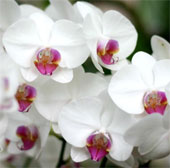
Although it has been dubbed the elegantly beautiful flower, some flowers have strange shapes like monkey faces or stench to attract insects.
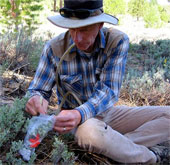
Plants have the ability to communicate and exchange information with each other to survive in special
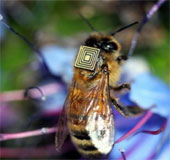
Thousands of honey bees in Australia will be scanned by scientists to track movement and prevent disease.
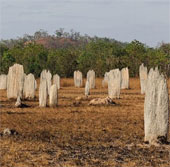
This is a termite collection in gray that looks from a distance like a giant graveyard.
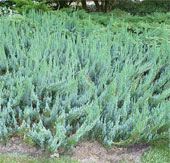
Giant parsley, mulberry or yew trees are plants with toxins and strange properties that can frighten people if they accidentally come into contact with them.