Discover science
Ancient beauties were crazy about painting their lips red to seduce men: Who would have thought that this thing is extremely poisonous!
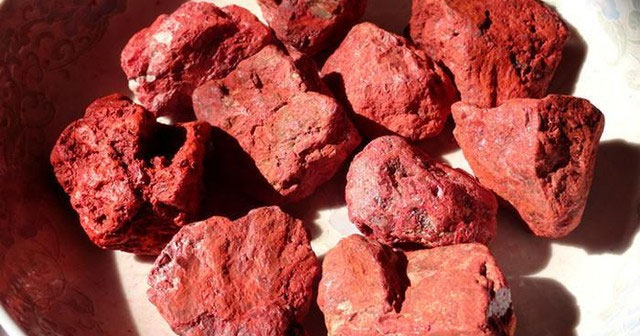
In ancient times, mercury was used in medicine and rouge powder,
Browse ScienceInfo articles and explainers related to Lipstick.
26 published items.
In ancient times, mercury was used in medicine and rouge powder,
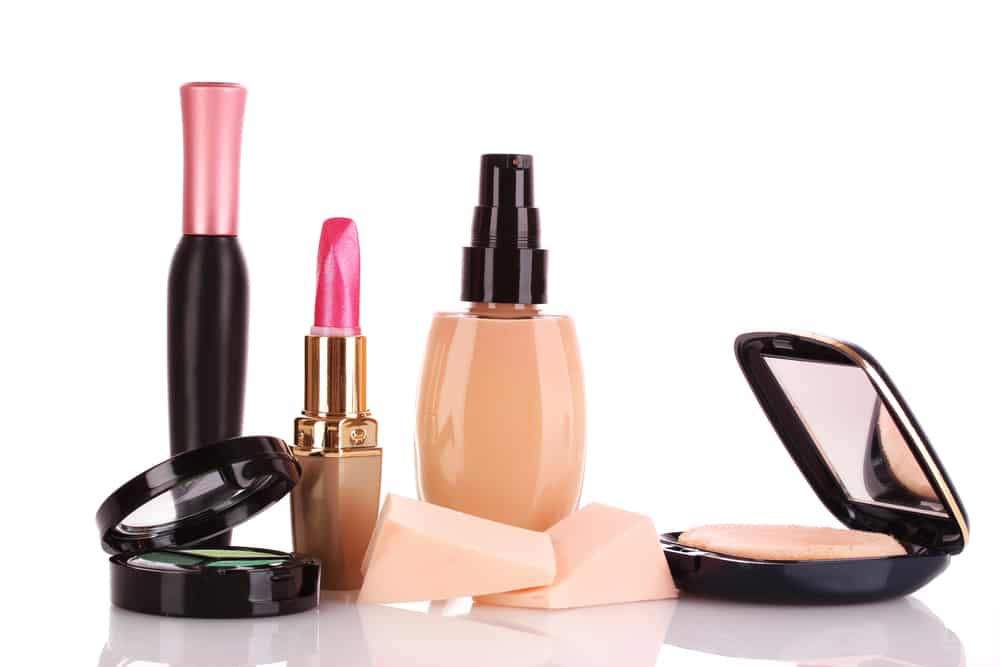
A study of 467 makeup products conducted by British experts found that 90% contained potentially deadly bacteria.
US researchers have found a way to reduce the amount of water needed for each toilet flush by half.
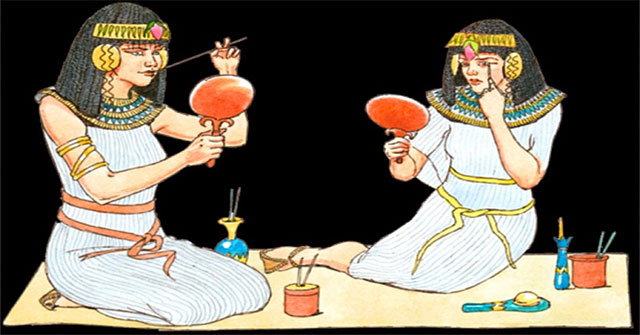
Ancient Egyptian women crushed gemstones on their lips or crushed red ants, beetles mixed with juice to help the red lips berry.
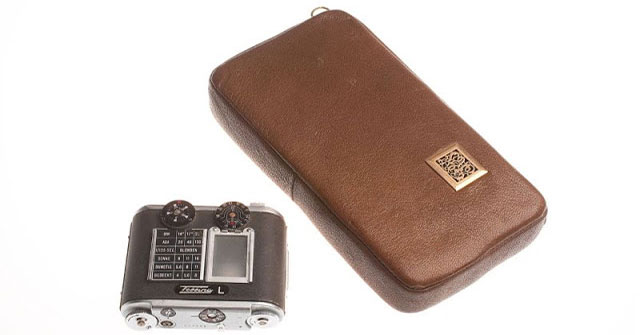
An umbrella, a watch or even a lipstick can become the dangerous 'weapon' of spies amidst enemies.
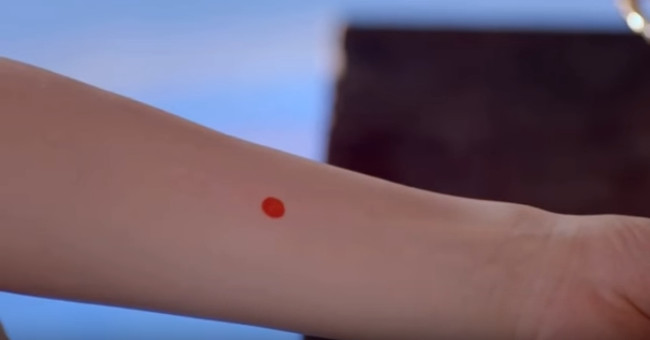
The arch is a red mark to show that the daughter is virgin, known in legend, literature or some Chinese literature.
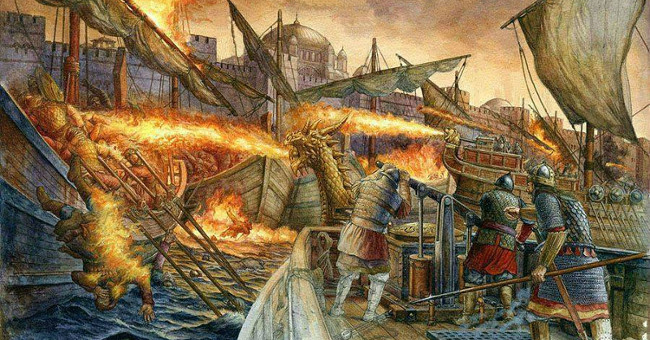
Some of the most exotic weapons have been invented by humans and used in assassination battles or missions ...
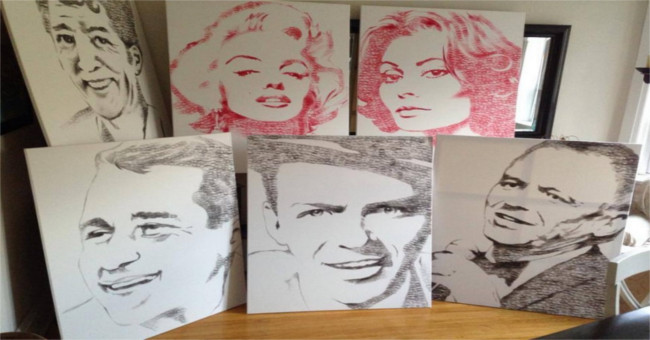
Artist Alexis Fraser, also known as Lex lipstick, in Canada has created extremely romantic drawings by applying lipstick and kissing paper.
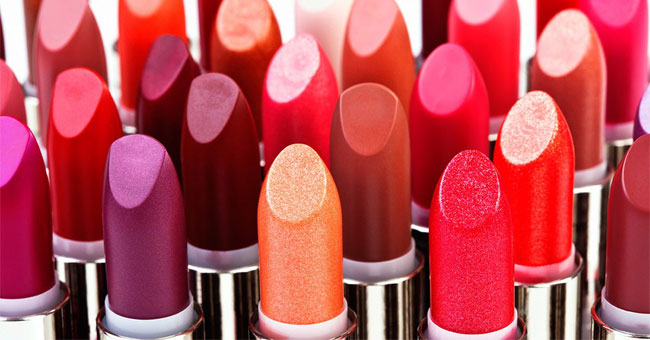
Find out the process of making a lipstick that makes every woman fall in love.
Not many people know that lipstick was invented before BC. Over thousands of years of history, lipstick has become a

The item in the bag contains the most germs, even more than lipstick, which is hand cream. These cream tubes contain more germs than a normal toilet.

Perhaps many people will be surprised to know that many substances in oil are present in things they use every day such as lipstick, pain reliever.
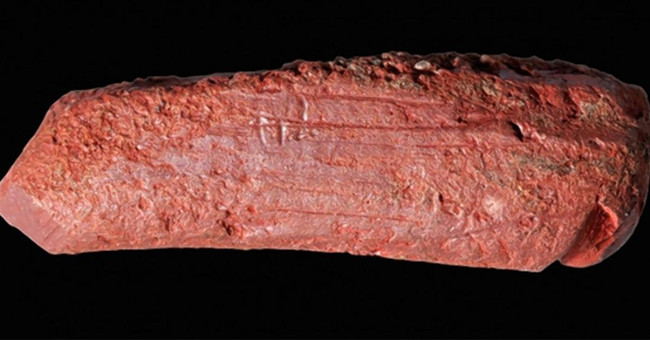
Archaeologists found a 10,000-year-old lipstick piece used to paint animal skin or paint in Scarborough, North Yorkshire, England, and Fox News on January 30.

Archaeologists discovered a lipstick in the Altai Mountains, Russia, that could produce sounds after 1,700 years, National Geographic reported yesterday.
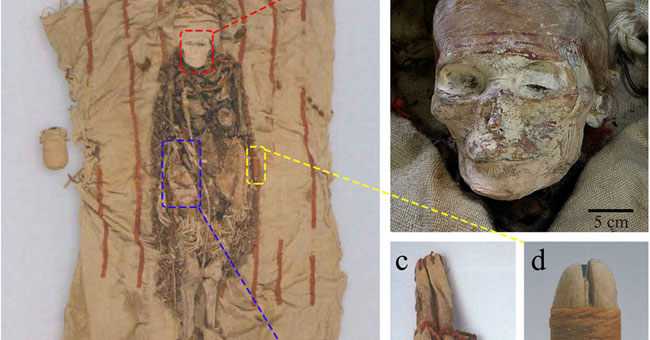
Scientists discovered many cosmetic products dating back to the early Bronze Age, made from the hearts of cattle that were buried according to women in China.