Videos
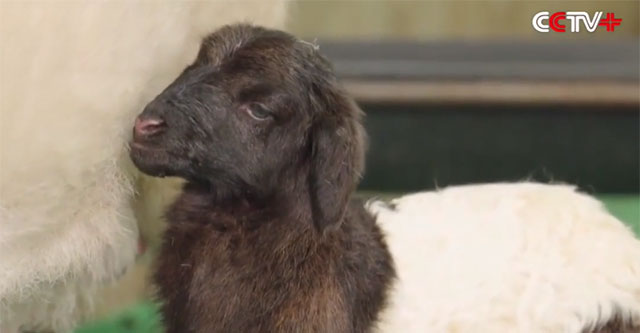
China successfully cloned Tibetan goats
China cloned two living Tibetan goats from the somatic cells of adult goats, helping to prevent the highland cattle breed from degenerating.
Browse ScienceInfo articles and explainers related to Living.
1,524 published items.
China cloned two living Tibetan goats from the somatic cells of adult goats, helping to prevent the highland cattle breed from degenerating.

Doctors at Massachusetts Hospital (USA) have just performed the first pig kidney transplant for a healthy patient.

There are many fairy-tale palaces, still being used by royal families everywhere as their accommodation.

Drum-eye fish, living 600-800m above the surface of the water (called the twilight zone or mesozoic), fish with a transparent head that encases the eyes upward like mesm…

The yokozuna shark is probably the largest bony fish living in the depths known to mankind.
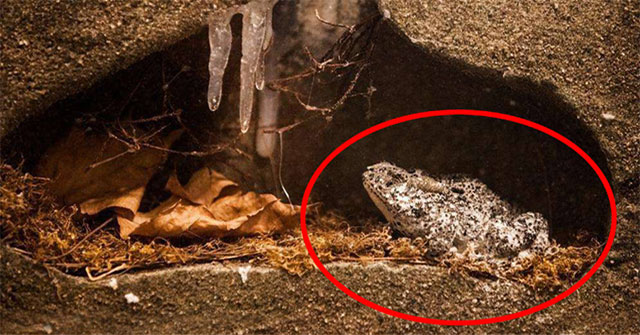
When radiocarbon dating, the scientists found that the frog was 2,000,000 years old.
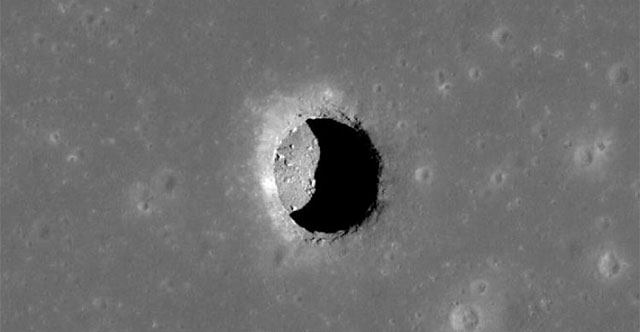
Using data from the LRO spacecraft, NASA experts found that the temperature in the crater in the Mare Tranquilitatis region on the Moon was only about 17 degrees Celsius.

Despite being a European country, many Russian citizens possess Asian characteristics.

Humans and many other creatures are used to living in an atmosphere with an oxygen content of 20.9-21%. So what happens if oxygen levels rise or fall suddenly?
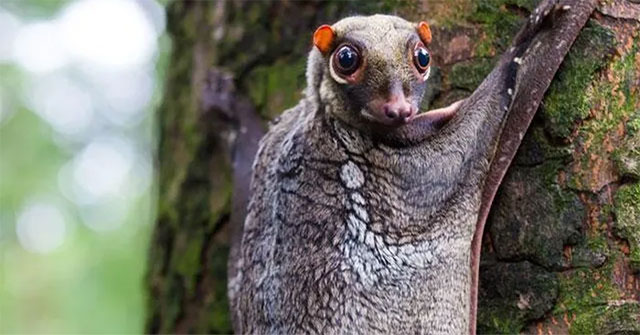
Throughout history, humans have discovered and bred many strange animals and here are the Top 10 strangest animals still living on the Blue Planet.

Japan is noted for its longevity, which is commonly attributed to the Japanese way of life.

History is always interesting to curious people, for all that we have known, are knowing and will know are only incomplete pieces of the whole picture of the past of hum…

How long would you want to live in a cramped house where the temperature is 38 degrees Celsius and the oxygen level is only 18%?
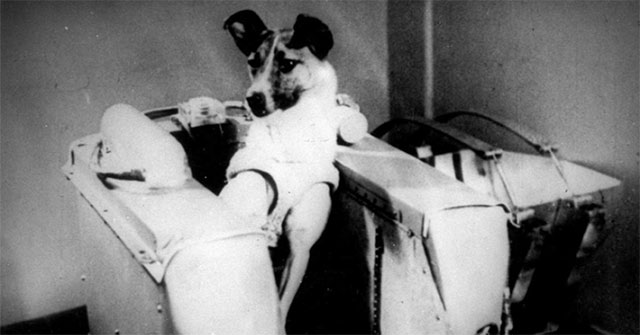
From a stray dog, Laika was chosen to become the first living creature in the 'suicide' flight, orbiting the Earth aboard Sputnik 2 in 1957.
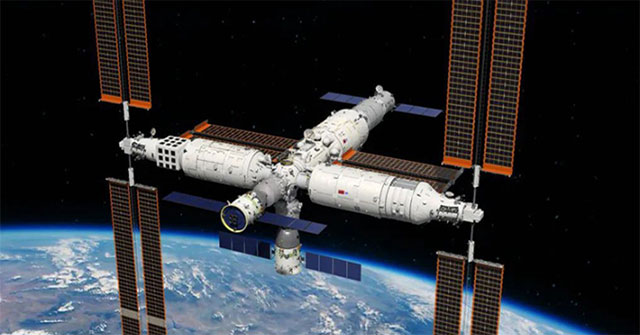
The complete Thien Cung space station is T-shaped with 3 modules, has a total living space of more than 110m3 and can accommodate 6 astronauts.