Space science
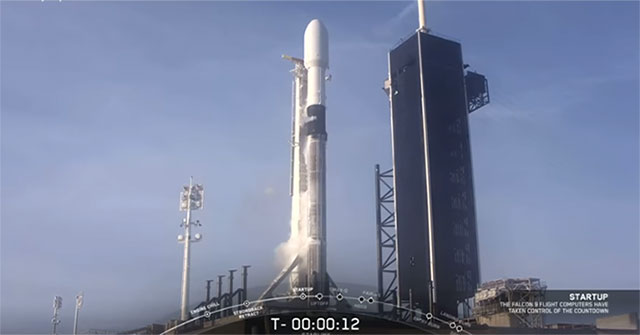
SpaceX launches the 6th Starlink satellite batch
An additional 60 Starlink satellites are put into low-Earth orbit to realize the ambition of building a global Internet coverage network.
Browse ScienceInfo articles and explainers related to Low.
905 published items.
An additional 60 Starlink satellites are put into low-Earth orbit to realize the ambition of building a global Internet coverage network.
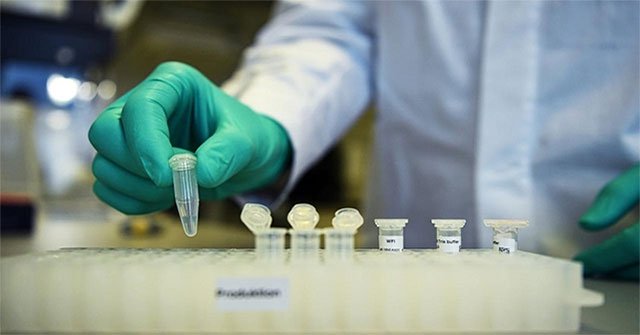
CureVac can produce a billion doses of nCoV vaccine from existing facilities if the trial is successful.

Getting airplanes lower than just 610 meters can cut the climate impact of the areas they fly in by a whopping 59%.
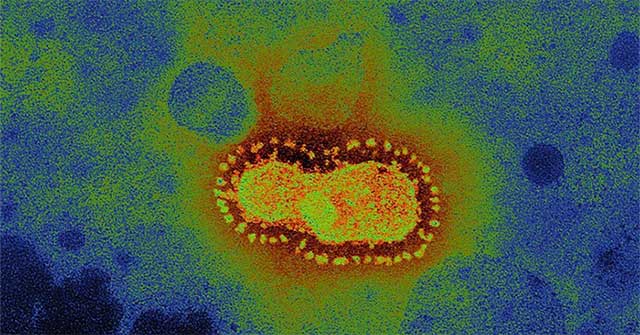
Corona virus from Wuhan, China has a low mortality rate, and most patients recover quickly.

A man extremely frightened every time 'climaxed' by the bizarre illness that he suffered for a long time.

Or why does everyone like a slice of hot bread dipped in buttercream? Starch is life. Trying to cut carbs long-term in sedentary people is just as difficult as giving up…

Scientists from the Alliance to protect the Earth from natural disasters (ALLFED) say what humans can eat in the event of a nuclear war, BusinessInsider newspaper report…
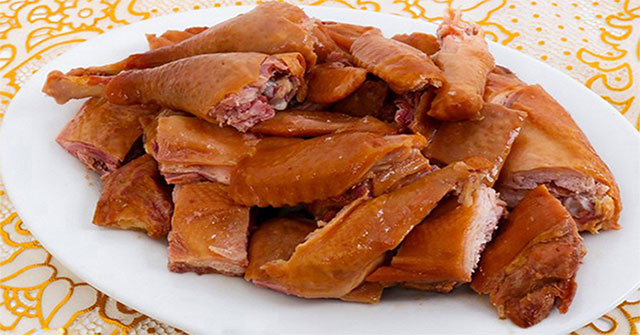
Eating too much smoked chicken, especially those of unknown origin, is extremely dangerous, can cause acute poisoning or eventually develop diseases such as cancer.
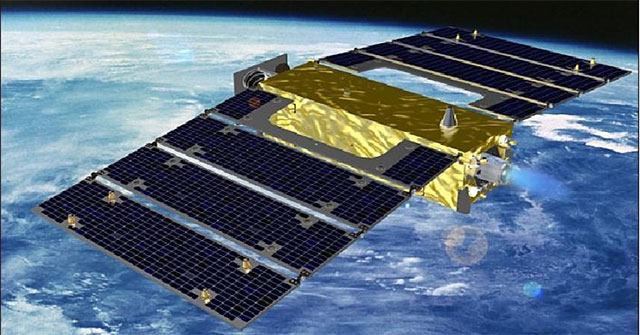
Flying in orbit just 167.4 km from the ground, Japan's Tsubame satellite has just been recognized by the world record book as the lowest orbiting satellite.

Through a study on how bubbles form and foam life, researchers have found a way to keep the foam alive longer or to prevent it from appearing too much when needed.

Psychological fear of giving birth, not wanting to get married makes the number of babies in Japan only reached 900,000 this year, the lowest level in 120 years.
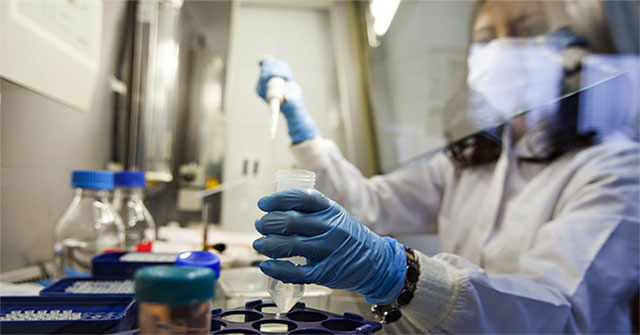
VIRRION has the ability to quickly acquire many viruses from any sample, whether in a normal environment or a research lab.

For a healthy lifestyle, clearing up large amounts of sugar from the diet is a pretty good move.
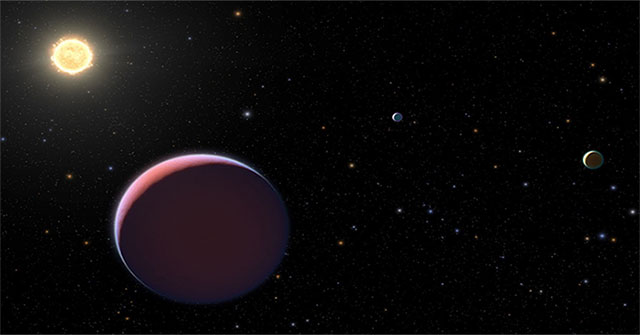
Astronomers found nearly 15 exoplanets in the Kepler 51 star system with a density of less than 0.1 grams of matter per cubic centimeter.

The discovery of a new strange white dwarf with an extremely low mass called KIC 8145411 suggests that they may be much more common than previously thought.