
Space science
When Is the Geminid Meteor Shower?
The Geminid meteor shower is one of the most reliable annual showers and is associated with 3200 Phaethon, an asteroid or 'rock comet' rather than a typical icy comet. N…
Browse ScienceInfo articles and explainers related to Meteor.
562 published items.
The Geminid meteor shower is one of the most reliable annual showers and is associated with 3200 Phaethon, an asteroid or 'rock comet' rather than a typical icy comet. N…
Meteor showers happen when Earth passes through streams of small particles left along the orbits of comets or, in some cases, asteroid-like bodies. The particles enter t…
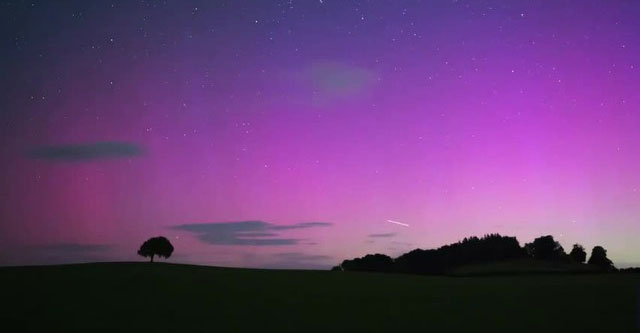
The combination of the aurora borealis and the Perseid meteor shower is a rare and spectacular event that leaves many sky enthusiasts in awe.
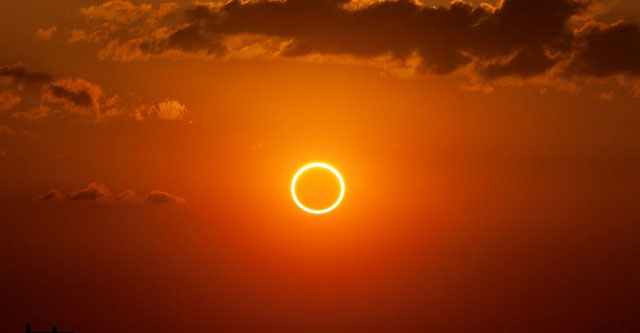
Millions of people in the Americas will be able to witness an interesting astronomical phenomenon on October 14, which is an annular solar eclipse (when the Moon is seen…
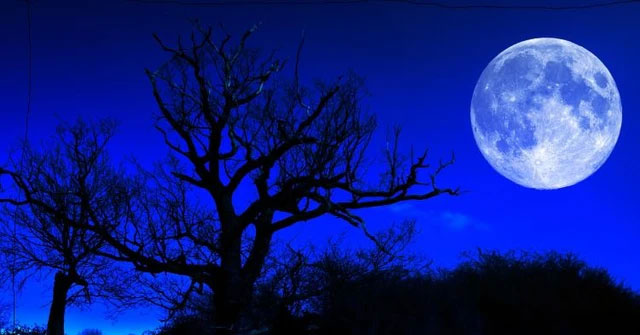
A new year has come and the sky in 2024 has phenomena waiting for observation enthusiasts such as meteor showers, Mercury reaching maximum amplitude, Saturn reaching dir…
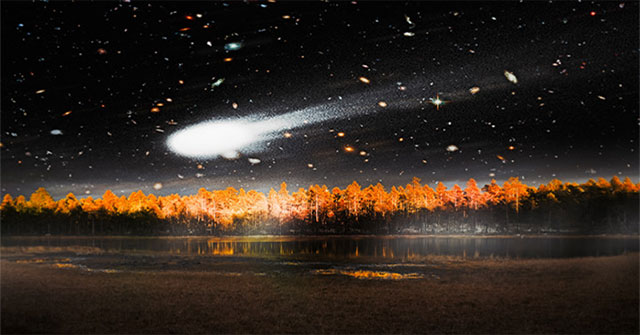
The Tunguska event remains the most powerful explosion ever recorded. It released 185 times the energy of the atomic bomb dropped on Hiroshima.
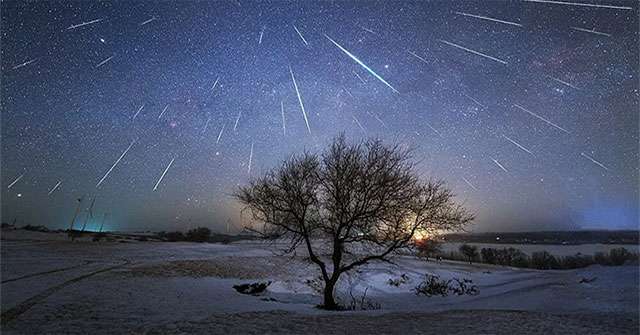
The meteor shower from objects related to the origin of life on Earth will peak on the night of December 13 and early morning of December 14.
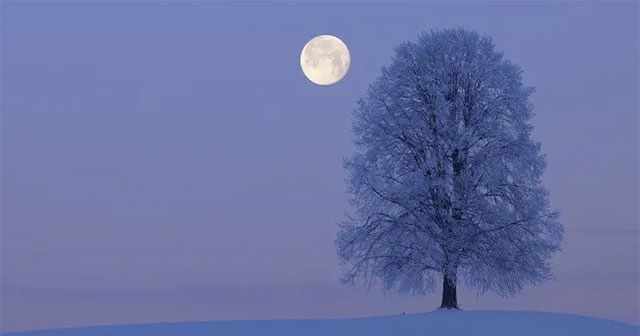
The Cold Moon is the last full moon of the 2024 calendar year and will rise higher in the night sky than any other full moon, nestled next to Jupiter.
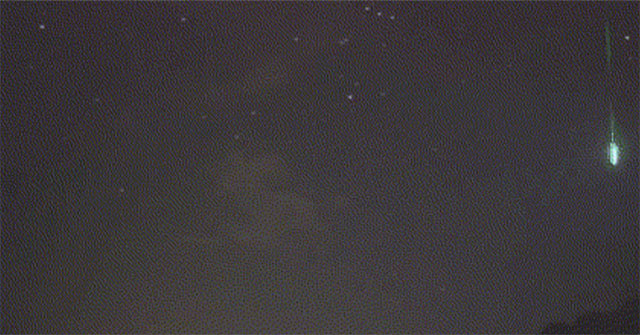
A Leonis Minorid asteroid has just passed close to Earth and exploded in the sky over Puerto Rico.
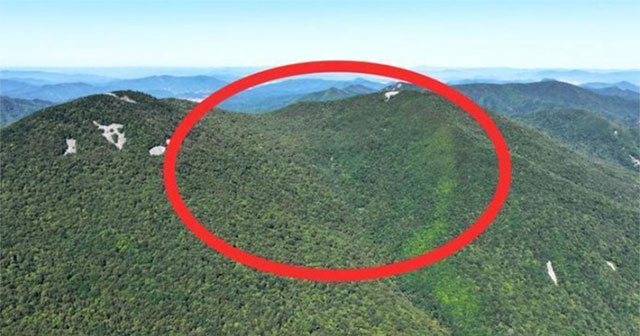
Chinese scientists have found the world's first mountain-top meteorite crater, measuring 1,400m in diameter, in the country's northeast.
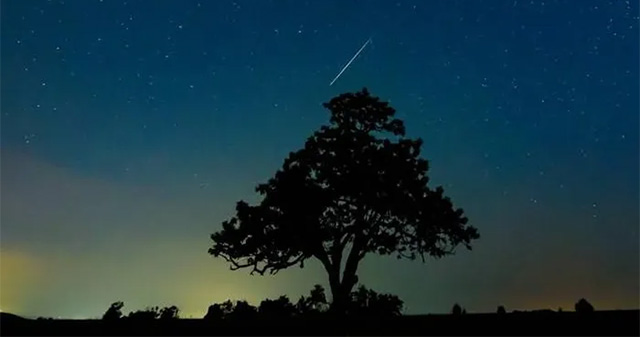
November will have many interesting astronomical phenomena worth admiring, including a new moon, a supermoon, two brilliant meteor showers, and a direct Uranus conjuncti…
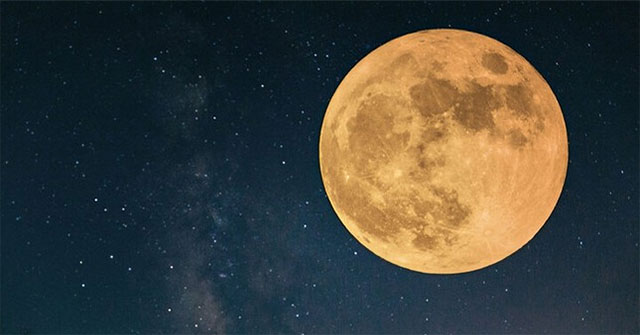
Astronomy enthusiasts will be able to admire the third supermoon of the year on October 17.
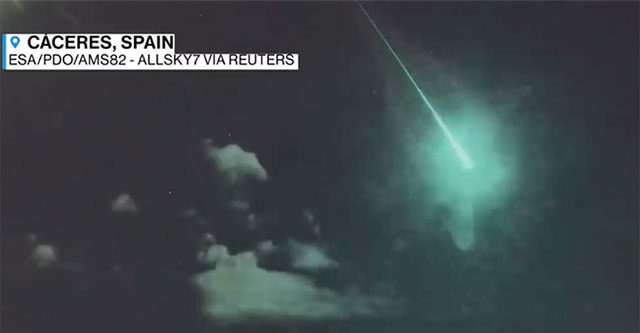
The fireball from the comet debris traveling at 160,934 km/h emitted blinding white, green and blue light near midnight.
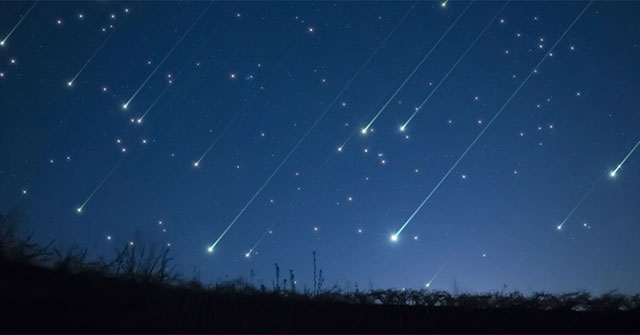
The Eta Aquarid meteor shower reaches 60 meteors per hour at its peak, which will take place in May. Along with that is the New Moon phenomenon, Mercury is at its maximu…

A mysterious fireball lit up the Chinese sky before shattering and disappearing, leaving many witnesses extremely surprised.