Biology
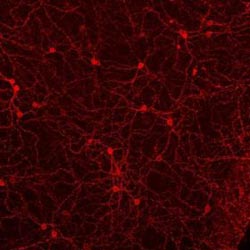
Perfect vision but blind
Mammals have two types of light-sensitive organs in the retina. They are cone and rod cells, all needed to receive the image of the surrounding environment. However, res…
Browse ScienceInfo articles and explainers related to Mice.
834 published items.
Mammals have two types of light-sensitive organs in the retina. They are cone and rod cells, all needed to receive the image of the surrounding environment. However, res…
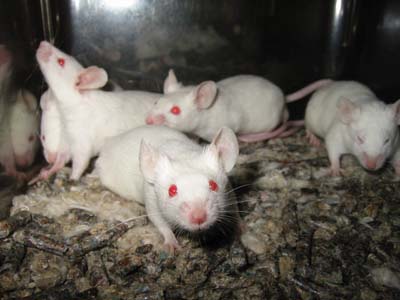
Mice and humans have an 80% identical genome, making mice a suitable substitute and beneficial for humans in medical research. A recent article by two University of Mich…
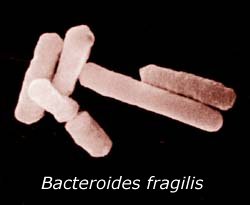
The beneficial bacteria in our gut bring many benefits. They both reduce the number of harmful organisms and release molecules that reduce inflammation and prevent colit…

Biotechnology company ACT (USA) has developed techniques that can produce babies as desired. This method is more effective than the previous Dolly cloning technique and…

By making mice 'skeletal muscles use less energy efficiently, researchers say they have delayed the death of mice and the symptoms associated with old age diseases, incl…
Swiss scientists have created a mouse strain that carries the human immune system. Genetically modified mice without immune systems are injected with cord blood of human…

Scientists at the University of Minnesota are studying a drug that detoxifies cyanide. Experiments on mice have been successful and are expected to test humans within th…

According to a recent study, a variation of a gene involved in neuronal communication in mice has a direct effect on alcohol consumption in rats. Researchers do not know…

Yale University scientists have demonstrated that, not only are sex hormones characterized by the ability to make a difference in behavior between males and females, but…
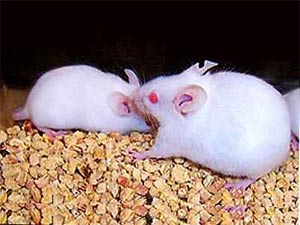
The research team at Case Western Reserve University in Cleveland, Ohio, USA, has released genetically modified mice that are able to run twice as fast as normal mice.
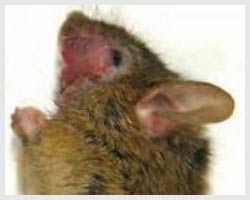
The mice born without key brain proteins were like being forced to rub their faces until they bleed and were afraid to dare to get out of the corner. When offered an alt…
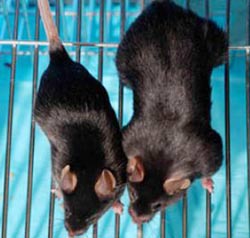
Johns Hopkins, the first person to prove myostatin protein deficiency leads to over-sized muscles in mice, and now a second protein, follistatin, has been discovered tha…
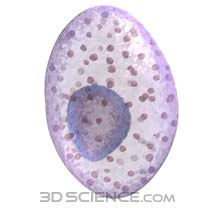
Researchers from Stanford Medical University discovered that a blood cell known as a pruritus and an inflammation in allergies, mast cells can also alleviate the anger. .
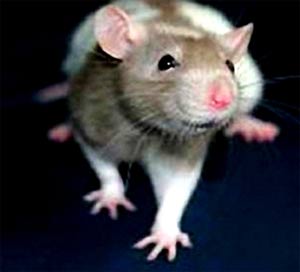
Scientists have created schizophrenic mice to use for testing new drugs and therapies before testing them on humans. This new method will help improve the effectiveness…
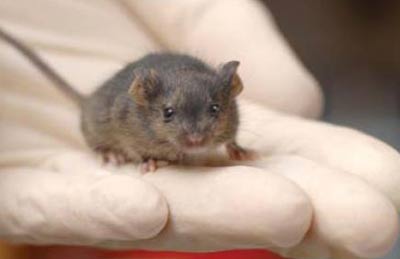
Studies published last week by three different research groups showed that it is possible to reprogram normal skin cells into an embryonic stem cell in mice. The race no…