Mice
Browse ScienceInfo articles and explainers related to Mice.
Topic archive
Articles about Mice
834 published items.

Biology
The first time the animal gene was successfully modified
Scientists have successfully corrected the animal's genetic code. This groundbreaking study can help find new treatments for current incurable diseases.
Biology
Listen to mice 'sing' like birds
A group of scientists from Osaka University (Japan) have created genetically modified mice that can 'sing' birds. This success can ...
Biology
Create mice that smell light
Among the characteristics of living things and humans, feeling the world around you with the sense of smell is still the most mysterious thing.
Biology
Enzyme detection prolongs post-traumatic pain
Scientists experimented on mice and found that brain enzymes caused pain after nerve damage.
Biology
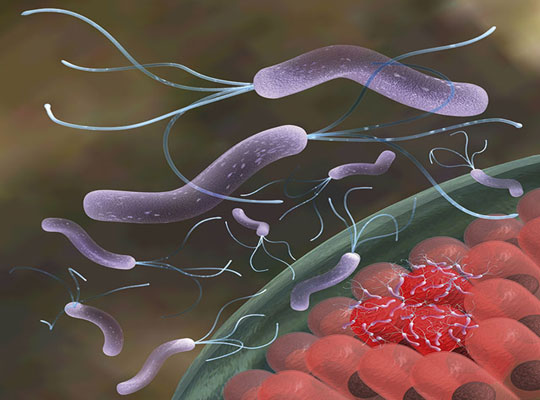
Helicobacter Pylori bacteria helps prevent asthma
Japanese scientists have discovered that Helicobacter Pylori may play an important role in preventing bronchial asthma.

Biology
The great role of artificial gene combination technology
American scientists have successfully combined artificial mitochondrial genome on white mice from 8 DNA segments formed by 60 nucleotides.

Biology
Detecting mechanisms to inhibit food allergies
During the experiment, Japanese scientists discovered mechanisms to inhibit food allergies in animal bodies.
Biology
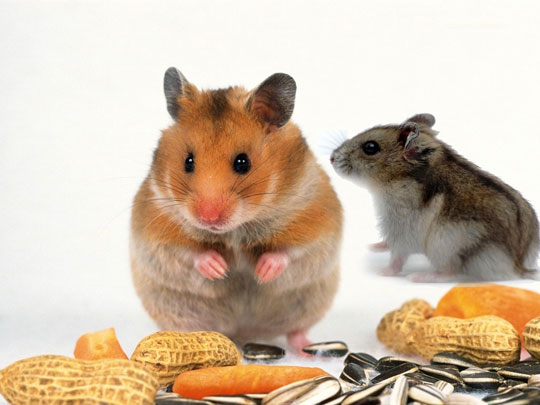
Mouse genes and people are different than we thought
About a fifth of the rat species are new versions that appear in the past 90 million years of evolution.
Biology
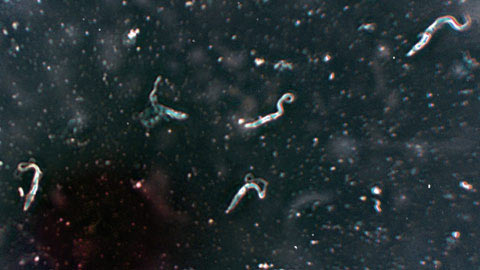
The parasite in the bug bugs sucks blood that has been spread through mice
Trypanosoma-like blood-born parasite has been identified in the stink bug. Recently, scientists have also infected this parasite to white mice and only 48 hours later, i…

Biology
Homosexuality: Do genes?
Korean scientists hope to find a link between genes and homosexuality in humans.

Biology
Goats for milk like human milk
Russian goats will give us human milk. It is a group of Russian goats being raised and bred on a farm in the village of Golsovo in the Sakhovsky region.

Biology
Finding a gene that can activate the respiratory system
After the small mammals escape the protection of 'parents', how will they breathe to adapt to the sudden change of environment?

Biology
Bacteria can help people live 140 years
Bacteria trapped in glacial layers for thousands of years can help people live 140 years, Russian scientists have said.

Biology
Bacteria in the soil help reduce anxiety
A bacterium in the soil can increase people's thinking ability, while reducing the level of anxiety.