Photo library
The best Micro photos in 2011
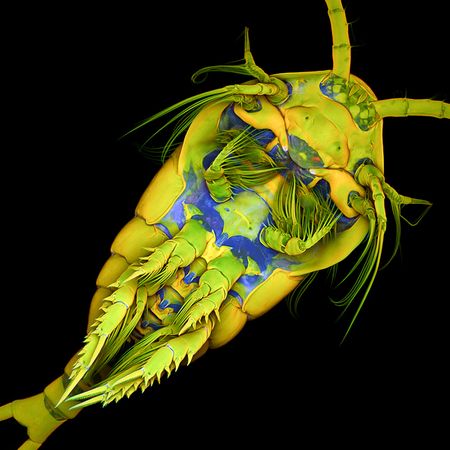
Exaggerated 20 times, the lower jaw of the larvae looked quite fierce. The photo won at the Small World Microphotography Competition in 2011.
Browse ScienceInfo articles and explainers related to Micro.
357 published items.
Exaggerated 20 times, the lower jaw of the larvae looked quite fierce. The photo won at the Small World Microphotography Competition in 2011.
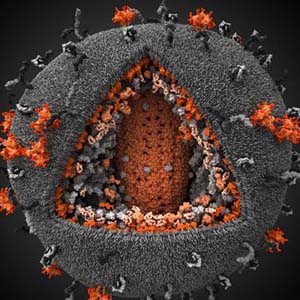
A 3D image depicting microbes that attack a bacterium, the gene map that looks like fireworks is the best science images of 2010 published in National Geographic magazin…
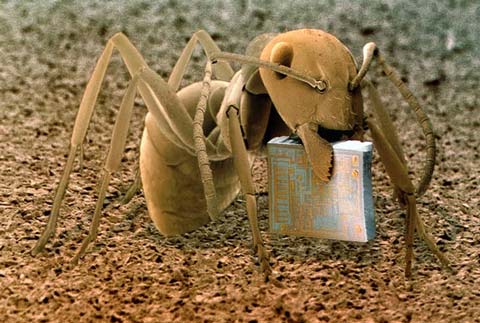
A collection of photographs taken with scanning electron microscopy (SEM) was chosen to be included in a book by scientific writer Brandon Broll ...
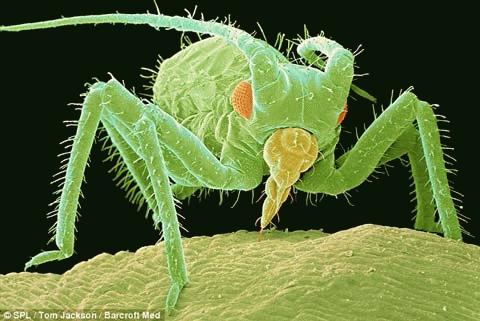
British pen Tom Jackson and his colleagues spent 3 months completing the book 'Micro Monsters' ...
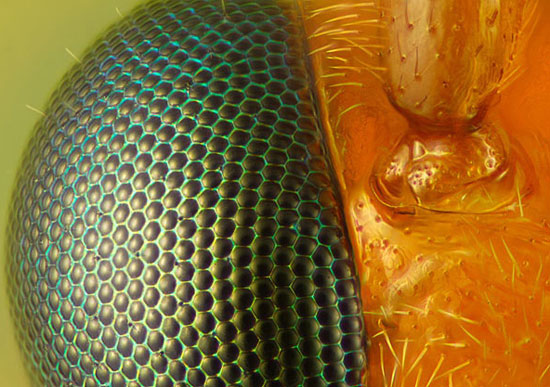
More than 137 stunning photographs of the micro-world of amateur and professional photographers until scientists have participated in the photo contest

See this microscopic world in sparkling water like diamonds is the hobby of paparazzi.

Photos of the micro-world have always surprised people since the Nikon Small World award was born in 1974.
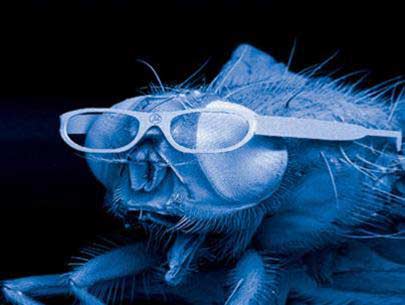
There are items made by ourselves, but at an extremely sophisticated level that the naked eye cannot see. And even though it's only a few thousandths of a millimeter, th…
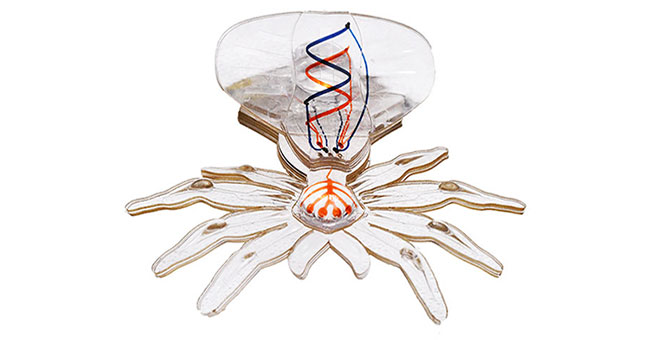
Researchers built small-sized robots from soft materials capable of working in humans.
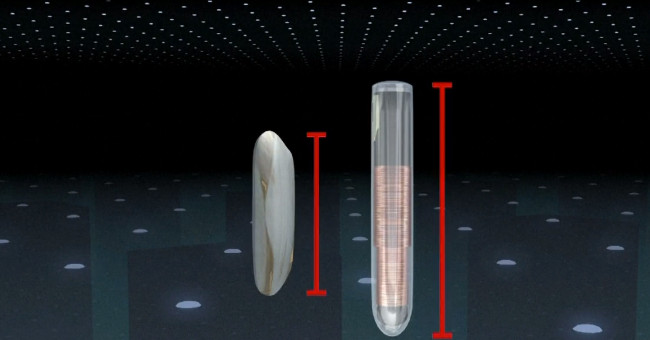
Rice-sized micro-chips allow users to open doors, cars, equipment or use them as tickets on public transport.
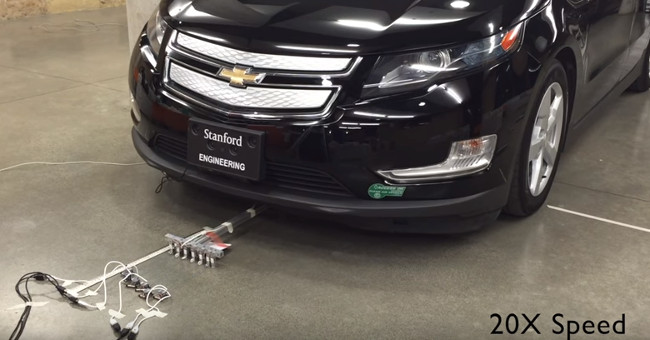
uTug are tiny robots developed by scientists from Stanford University (USA) with tremendous power when they work together.
Astronaut Chris Hadfield simulated experiments showing the impact of micro gravity environment when crying.

This year's Bell award will be handed out on Thursday, August 31, at Fields Academy, Toronto, Canada. Award recipients will have short speeches at the awards ceremony.
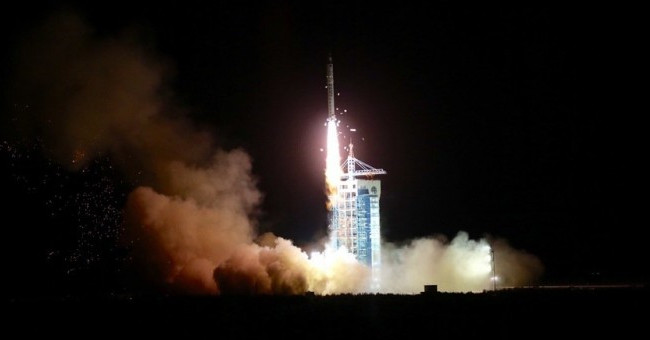
Satellite SJ-10 takes off at Tuu Tuyen, China will carry out experiments on human reproduction in micro-gravity environment as well as understanding life outside the uni…
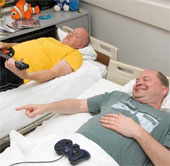
First of all, participants operate normally for 2 weeks so that scientists check their health under normal conditions.