Space science
Explain the mystery of missing stars in the universe
For more than half of a decade scientists have struggled to find out why the number of stars is less than what they expected.
Browse ScienceInfo articles and explainers related to Milky.
356 published items.
For more than half of a decade scientists have struggled to find out why the number of stars is less than what they expected.
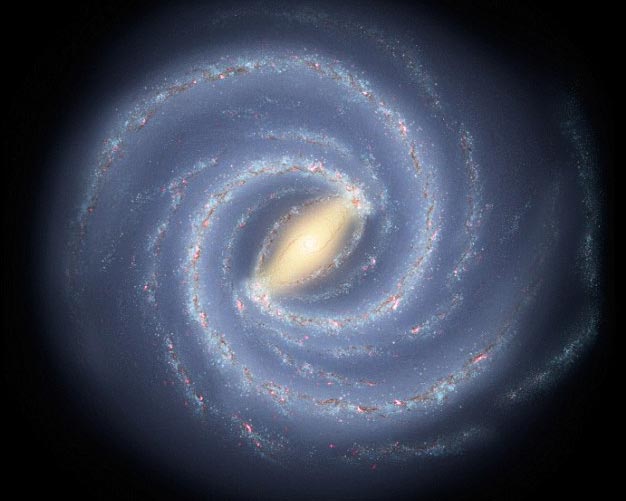
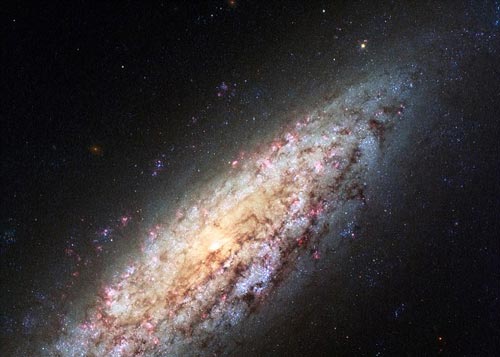
Astronomers have recorded impressive images of a galaxy now considered the most lonely universe, floating at the edge of a space abyss.
The fastest star in the Milky Way is moving at 1,200 km / s, possibly escaping from the Milky Way in about 25 million years.
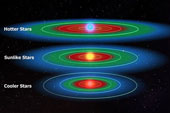
Astronomers have come to this conclusion after calculating the number of planets located at a distance away from the star just enough to have warm temperatures and water…
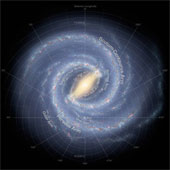
We have many unofficial names for cosmic landscapes. Sometimes they are named after the shape we see, such as the Horsehead Nebula.
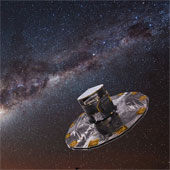
It is possible that about 70 thousand new planets were discovered during the exploration of European spacecraft that took off from the earth since 2013.
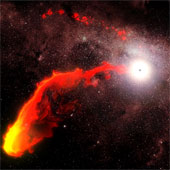
Giant star named G2, after
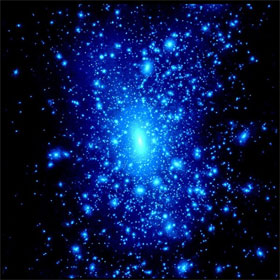
The latest research by British and Italian scientists demonstrates that our Milky Way is at risk of disappearing due to the effects of dark energy.
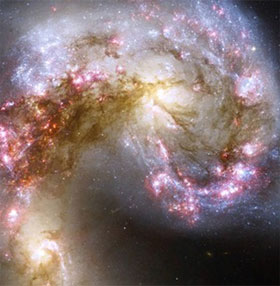
For about 4 billion years, the Milky Way galaxy will merge with the Andromeda galaxy. The result of the integration process will be an elliptical galaxy called
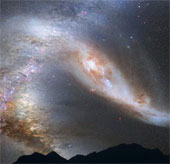
The results of a new study show that in the next 5 billion years, the Milky Way will be swallowed up by a
An international group of astronomers discovered a supermassive black hole
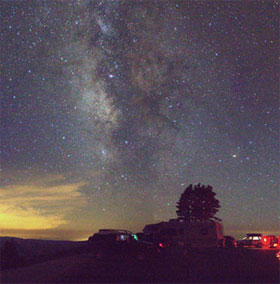
Under a clear, moonless and empty night sky, you will see the splendor of the galaxy.
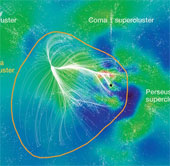
American astronomers introduced a new map of the Milky Way, first identifying its location in an area of 100,000 galaxies.
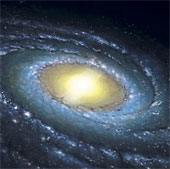
Haverford University (USA) researchers have found the most distant stars in the Milky Way, a finding that could help determine the formation of our galaxy.