
Discover science
Why can not open eyes sneezing?
Sneezing is to protect our nostrils from invading foreign molecules, by creating a force of air from the lungs with a speed of 160 km / h. But this reflex also involves…
Browse ScienceInfo articles and explainers related to Molecule.
513 published items.
Sneezing is to protect our nostrils from invading foreign molecules, by creating a force of air from the lungs with a speed of 160 km / h. But this reflex also involves…

As early as 1959, the notion of a special bond of water was introduced - that is, the association of water molecules together forming a round, rounded shape, similar to…
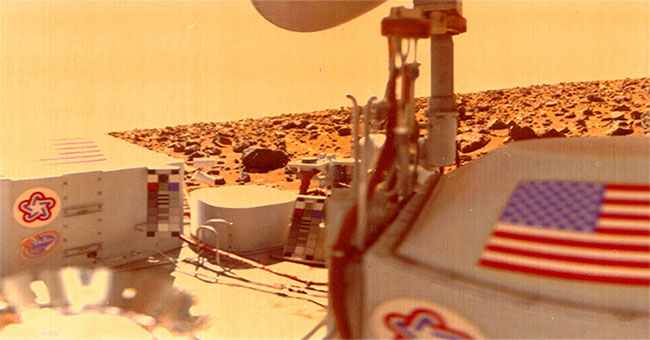
Recently, NASA caused a chaos by announcing that the Curiosity autonomous vehicle discovered organic molecules - making life as we know it - on Mars.
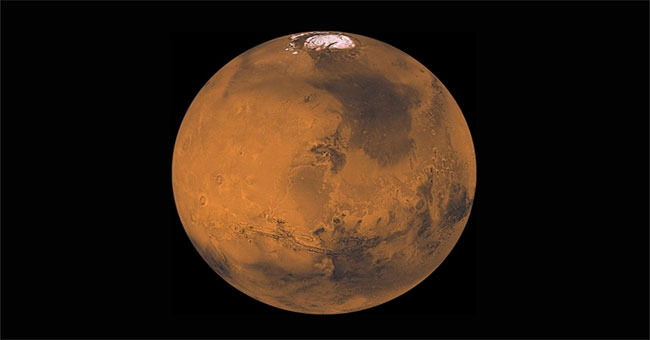
When NASA performs missions with people in space, they have to carry almost everything with them.

Sharks are considered oceanic killers, one of the most dangerous animals on earth. Many people believe that they have a very sensitive hearing, just a small drop of bloo…

What is the maximum depth a fish can live? The answer was answered by scientists from the US, UK and New Zealand in the Journal of Proceedings of the National Academy of…
At our dining table, sooner or later there will be seafood stuffed with toxic plastic micro-molecules. The diet of marine life has changed.
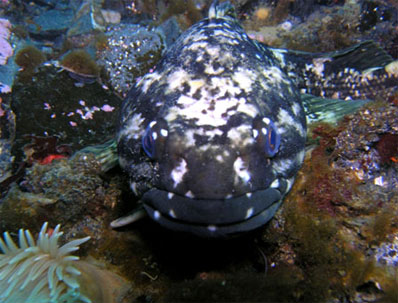
Antarctic fish species can freely travel in sea water below 0oC because their blood has anticoagulant glycoprotein.

Scientists from Leeds University have demonstrated that atmospheric acid divides large iron molecules in the dust into tiny dissolved iron particles that plankton are ea…
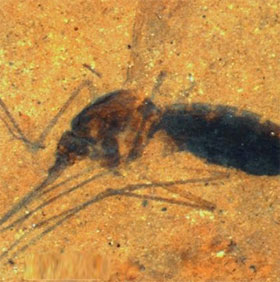
Scientists recently discovered fossils of blood-sucking mosquitoes dating back 46 million years ago in a clay plate in northwestern Montana, USA.

Scientists working at the Applied Molecular Evolution Fund based in Gainesville, Florida (USA) have tracked the evolution of the enzyme molecule of people with the funct…

Biologists at the University of California have reported new evidence of evolutionary changes found in today's fossil and genome data.

Complex organic molecules hidden in giant dust storms increase the hope of finding life on the moon that NASA has dubbed.
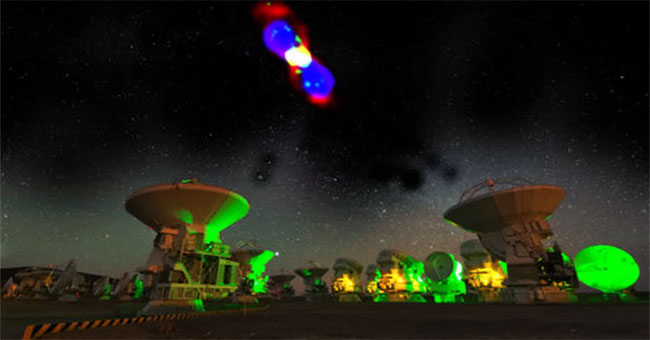
For the first time, scientists have discovered a radioactive molecule in space and it comes from an ancient stellar explosion.
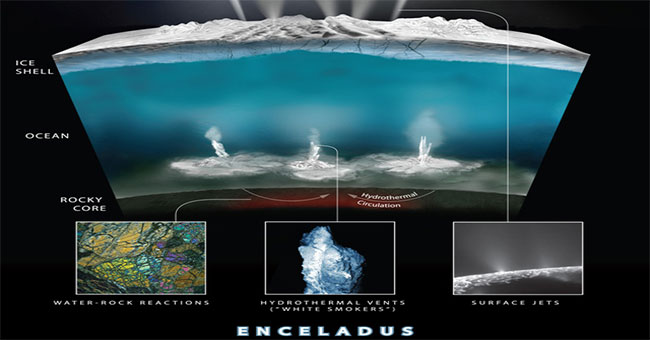
Scientists claim that Saturn's moon Enceladus is the only cosmic entity outside of Earth to meet the basic conditions to survive life.