
New technology
Turns 'cricket' into a diagnostic tool
The device, when attached to the phone, will allow the camera to capture images commonly seen from fluorescence microscopes or flow cytometers, which are instrumental in…
Browse ScienceInfo articles and explainers related to Monitor.
572 published items.
The device, when attached to the phone, will allow the camera to capture images commonly seen from fluorescence microscopes or flow cytometers, which are instrumental in…
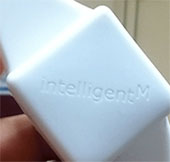
Being IntelligentM's first product, the newly established technology company in Florida (USA), the smart bracelet monitors the wearer's hand washing activity and will al…
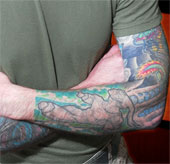
A number of scientists from the US Department of Defense's Advanced Research Projects Administration (DARPA) have proposed the idea of creating a special type of tat…
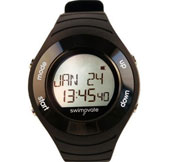
PoolmateHR is the world's first swimming meter to track laps, distance and heart rate measurements, giving stroke warning.
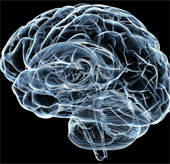
A high tech helmet can monitor the flow of blood in the brain to warn of an impending stroke, according to the Daily Mail on March 19. It is a Neurokeeper hat created by…

By connecting monitors and devices to the same computer network, users can play video from any device on any screen, based on Intel's new technology.

In addition to hunting for signs of nuclear weapons tests, these sensors can be used to monitor whales, monitor air pollution and alert tsunamis.

Inventor Vladimir Yelin, a Russian, patented the 'smartphone of the future'. This is a smartphone with two monitors that can be controlled only by gestures and e…
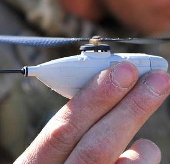
The British Army is using remote-controlled helicopters to monitor threats from the enemy.
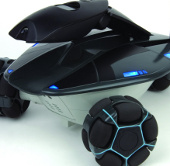
A small robot with a mass of over two kilograms can help users keep track of their home remotely at all times.

Researcher Xiaobo Tan from Michigan State University has created a fish robot that can detect crude oil spills in the river.

Scientists have successfully developed a thin, paper-like screen that can be drilled and dropped without any damage.

Japanese police are investigating the use of a heart rate monitor to identify potential early offenders of sexual assault and sexual assault.
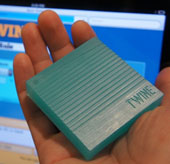
Researchers David Carr and John Kestner at the Media Lab of the Massachusetts Institute of Technology have developed a special device called Twine.
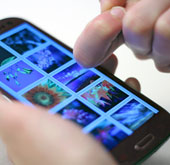
The new technology, called finger-sensing, uses a tiny touch of sound in the phone to pick up sound and measure the vibrations caused by touching the screen.