Space science
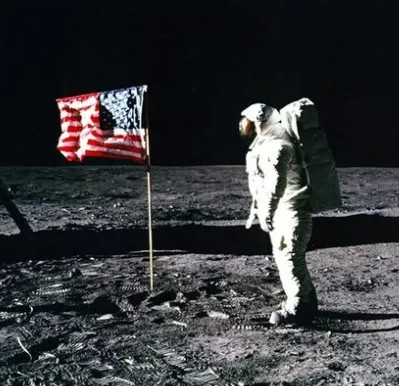
What happened to the flags left on the Moon?
In July 1969, the Apollo 11 spacecraft brought humans to the Moon for the first time, marking an historic event of all humanity.
Browse ScienceInfo articles and explainers related to Moon.
1,903 published items.
In July 1969, the Apollo 11 spacecraft brought humans to the Moon for the first time, marking an historic event of all humanity.
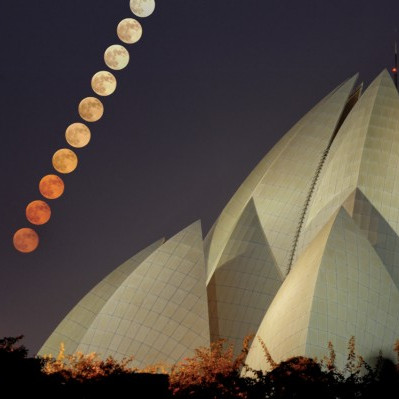
According to Earth Sky, each full moon has its own name, related to the months of the year, or season, such as the Harvest Moon (Harvest Moon) and Hunter's Moon (Hunter'…
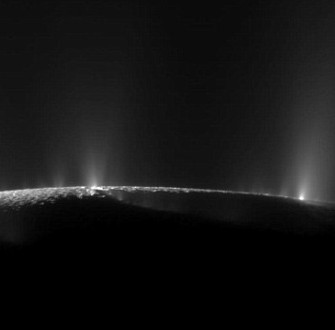
According to the announcement, the Cassini spacecraft will carry out the mission at 22 pm October 28 (Vietnam time) and will fly 48km away from Enceladus's southernmost…
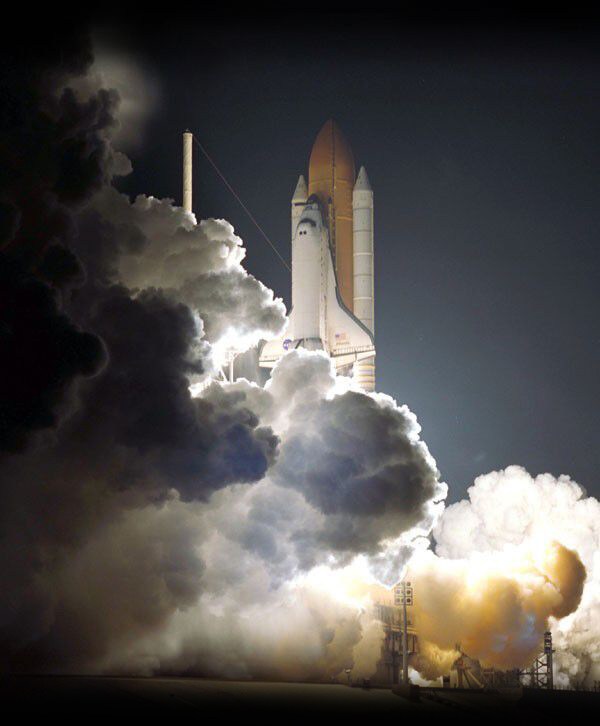
Space exploration trips are always very dangerous missions. So far 22 people have sacrificed their lives due to catastrophic accidents in these special missions.
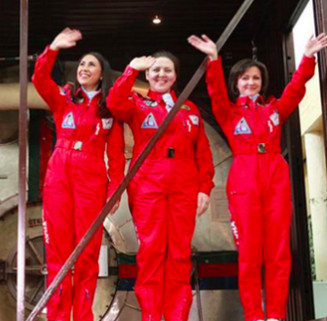
On October 28, 6 Russian astronauts entered the spaceship model, starting a unique experiment examining how an all-female crew interacts with each other on a trip to the…
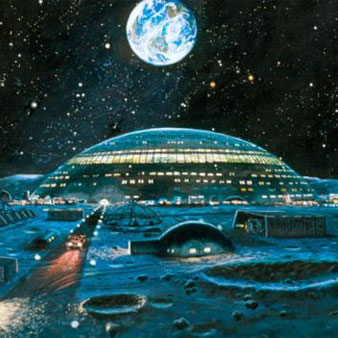
The Russian and European aerospace agency will cooperate on a series of missions to create a permanent human base on the Moon.
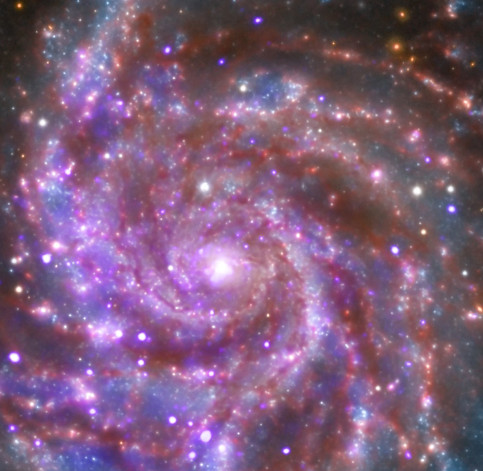
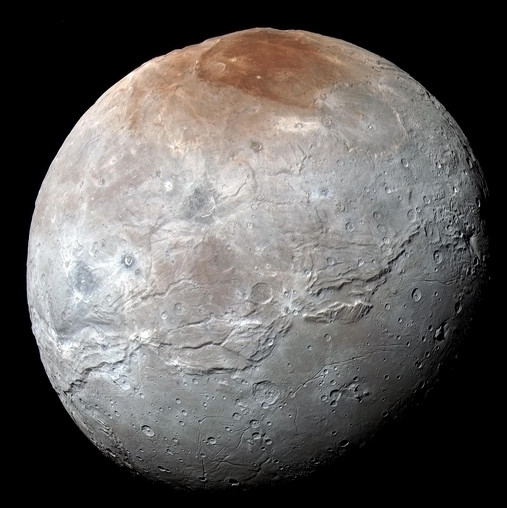
Three months after the last meeting of the New Horizons mission, scientists from NASA finally revealed details about what they found on the dwarf planet.
The image of the New Horizons probe of NASA's Aerospace Agency (NASA) shows that the Kerberos moon has a reflective surface, as opposed to previous scientific prediction…

A new study, published in the journal Geology, shows that the surface of the Moon has many convex cracks due to the force of attraction from the Earth.
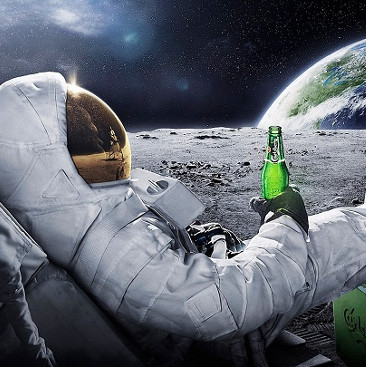
Many space powers are planning to bring people to the Moon and Mars. It will be very long and expensive journeys.

The sky in New England, America, one morning in May 1780 suddenly darkened. People in the area panicked about the final Judgment Day.
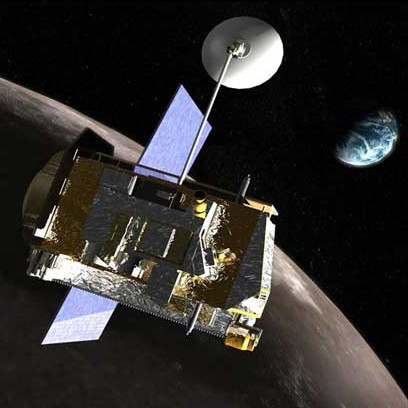
The real superhuman event that will take place next Sunday will likely threaten one of NASA's important exploration tools.
China's Hang Nga 4 spacecraft is expected to land in the dark areas of the Moon before 2020.
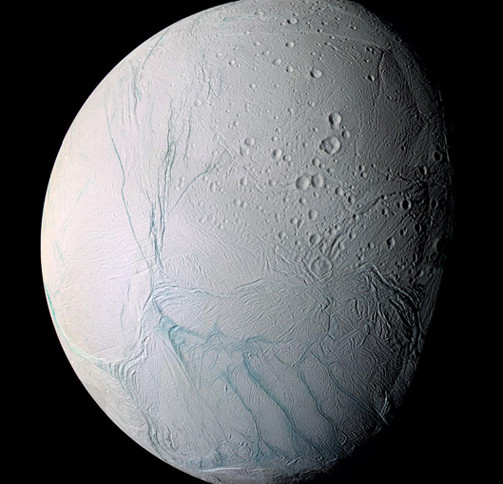
In Saturn's moon Enceladus may contain an ocean - NASA's new discovery after years of image analysis recorded by Cassini.