Biology
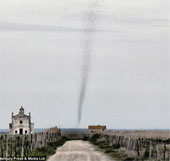
The tornado column of the grasshopper is nearly 305m high
The red grasshopper has formed a high cyclone column of nearly 305m on a road in Portugal.
Browse ScienceInfo articles and explainers related to Moving.
410 published items.
The red grasshopper has formed a high cyclone column of nearly 305m on a road in Portugal.
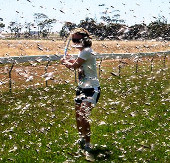
The Israeli government issued a warning to the locusts after the giant grasshoppers flocked in Egypt. Countless grasshoppers have appeared in Egypt. That situation makes…
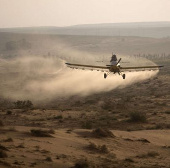
The sky was dark because of the arrival of grasshoppers from Egypt and the Israeli army was trying to block them to protect the fields in the south.
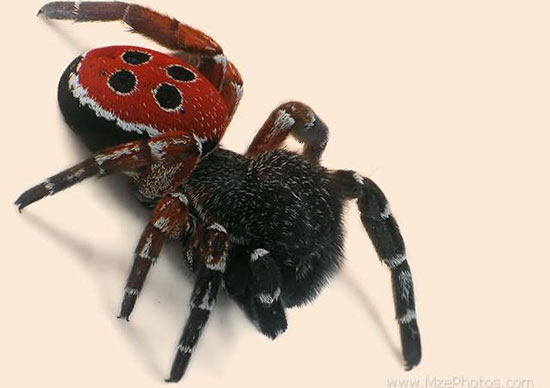
The RSPB Nature Reserve has just moved Britain's rarest spider species to a new place in a plastic bottle.

American scientists from Chapel Hill Sub-University, University of North Carolina, said they found calcium atoms could control bacterial activity.

A recent study by scientists from Cambridge University (UK) found that grasshoppers correctly positioned each step based on sight, not feeling.
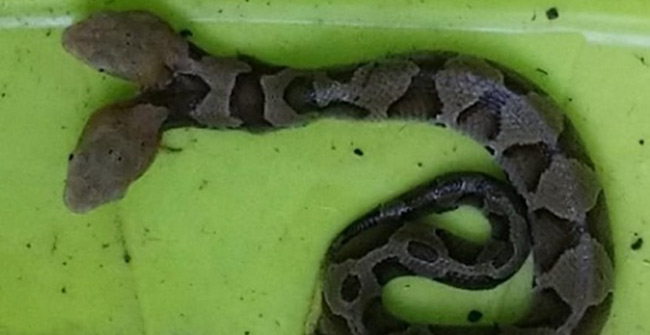
The snake snake snake has difficulty moving with its two ends on the body, the embryonic state is not completely separated.
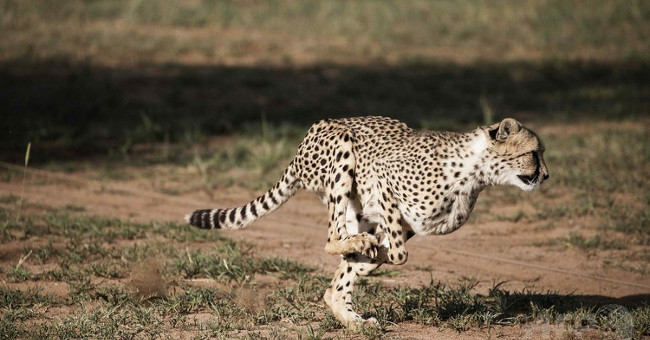
The speed is too terrible, but most importantly the jaguar still retains its extremely sensitive observation ability when moving at such speeds.
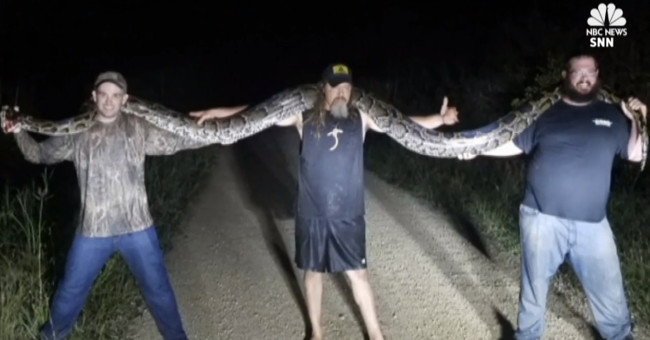
According to Daily Mail, the group of 3 hunters is moving by pickup truck late at night when they discover a large python is hiding into the roadside bush.
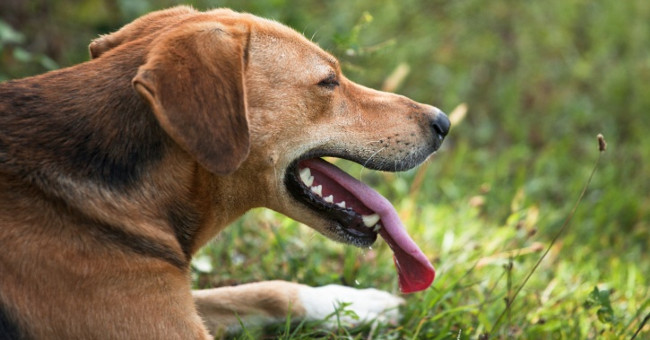
Shortness of breath, sweating, moving into shady areas are popular ways of cooling animals.
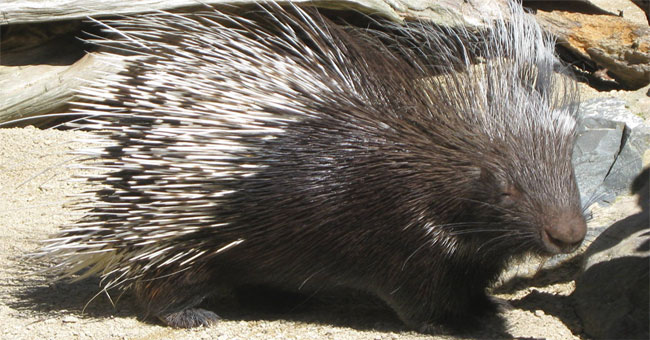
Porcupine (Porcupine) is a large animal, moving slowly in a rodent with sharp spines on its back. They usually live on every continent except Antarctica.
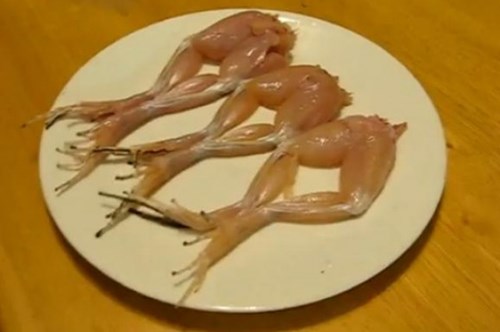
Have you ever been shocked to see frog legs cut off but still moving? The reason why and how even though there is no brain and nervous system control but some parts like…
Hummingbirds are a small family of birds, with relatively large numbers of species, colorful feathers and nectar sucking.
Striped lines will help protect zebras from predators by creating optical illusions.
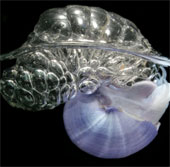
Self-glowing to threaten the enemy, shooting venom into prey, moving quickly or adapting to the living environment are strange possibilities of many snails.