New technology
Researchers create nanotubes as small as 1/2,000,000 ants
Researchers create nanotubes that don't leak, don't clog, and could deliver drugs in the future.
Browse ScienceInfo articles and explainers related to Nanotube.
70 published items.
Researchers create nanotubes that don't leak, don't clog, and could deliver drugs in the future.
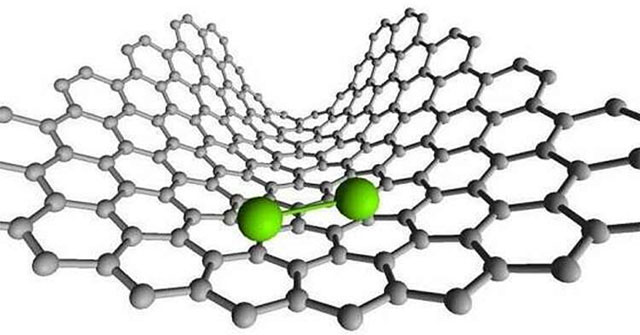
The pair of rhenium atoms were put into an empty carbon nanotube and then shone a beam of high-energy electrons to create a 18-second film.

According to Innovation Toronto, scientists have found a way to turn plastic waste into useful liquid products - such as engine oil, lubricants, detergents and even cosm…

This newly discovered material is able to absorb up to 99,995% of light.

In theory, with higher performance and more efficient use of energy, we expect it will replace silicon chips.

Scientists make micro-coils from carbon, nitrogen and manganese, capable of producing chemical reactions that dissolve micro-plastic particles.

The solar industry breakthrough will allow us to take advantage of huge energy

A building designed specifically for the Winter Olympics in Korea covered the world's blackest material to absorb 99% of visible light.
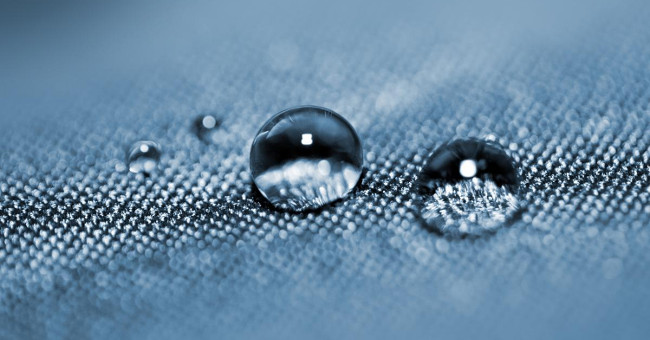
Scientists have long known that under appropriate conditions, a small amount of water can be treated to change the boiling point or freezing point.

According to a study published in Nature, the blacksmiths from damas steel (Damascus steel) knew how to build carbon nanotubes more than 400 years ago.

A research group from China's Tsinghua University has announced the successful development of a durable carbon fiber that can be used to make so-called

Space elevators are a means of proposing to replace missiles and space shuttle to bring people into space, according to scientists, in about 50 years it will be very pop…

This is one of the first telescopes with mirrors designed by small carbon nanotubes.

Japan is building a plan to bring tourists to orbit 36,000km above the ground through a giant elevator running at 200km / h. According to calculations by Japanese engine…

Recently, a group of researchers at MIT implanted carbon nanotubes into organelles inside plant cells to improve the production efficiency of plants' energy.