Science invention
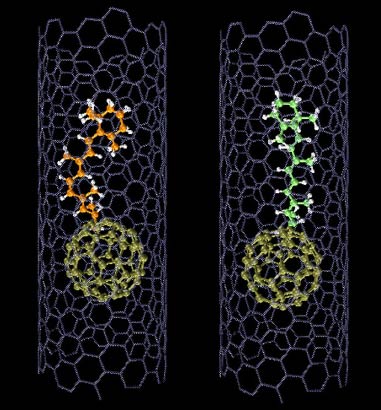
Visual molecules change shape in nanotubes
Photos of changing shapes in the retina - an important element of vision - can help us understand how we look, a result recently published by researchers in Japan. .
Browse ScienceInfo articles and explainers related to Nanotube.
70 published items.
Photos of changing shapes in the retina - an important element of vision - can help us understand how we look, a result recently published by researchers in Japan. .

The new technology allows the production of memory up to 1 terabyte per square inch (6.4 square centimeters) and that data will be preserved for generations.

Carbon nanotube implants can react with nitro-aromatics to help detect mines and ammunition buried underground.
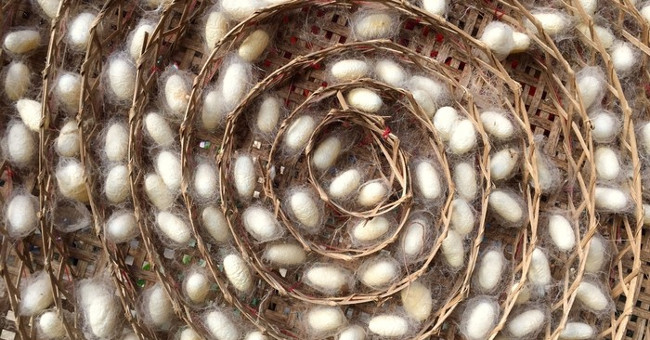
As the textile industry goes down, this may be a new dimension for silkworms studied and developed.

British scientists have successfully engineered a few billionths of a meter of nanotube-powered light.
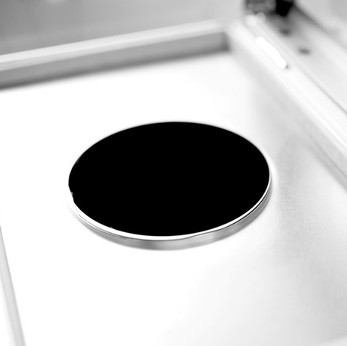
A team of scientists has created the darkest material ever, which can absorb most of the light and contribute to the improvement of solar cell technology.
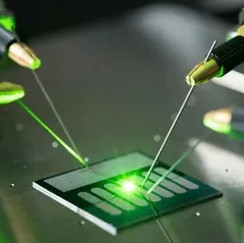
US scientists have successfully fabricated a device called optical rectenna. It consists of an antenna, a diode rectifier and is capable of converting directly from ligh…

The method of making new 3D computer chips, using materials that are carbon nanotubes, can give processing speeds up to 1,000 times faster than computer chips.

In the near future, we can see houses built with wood materials through 3D printing.

A type of nanotube designed to detect stomach cancer molecules through the breath also identifies lesions that can develop into this common disease.
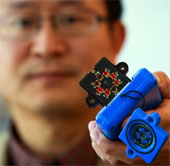
Recent carbon nanotubes have also been used to detect explosives and toxic chemicals.

Scientists at the University of California (U.S.) have developed a smart curtain that can move in response to light.
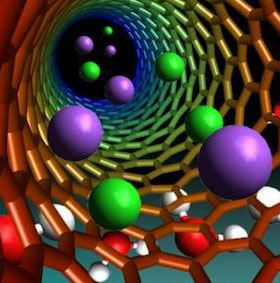
But in order for this material to be useful, they must first be introduced into the human body without affecting the immune system.
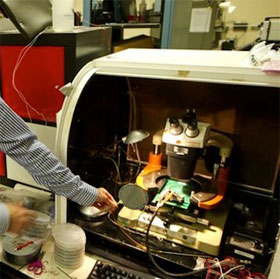
Scientists have successfully created the first prototype computer made entirely of carbon nanotubes

In 2011, NASA announced a study of a super-black super-black coating to increase sensitivity for optical sensors and devices used in space.