Discover science
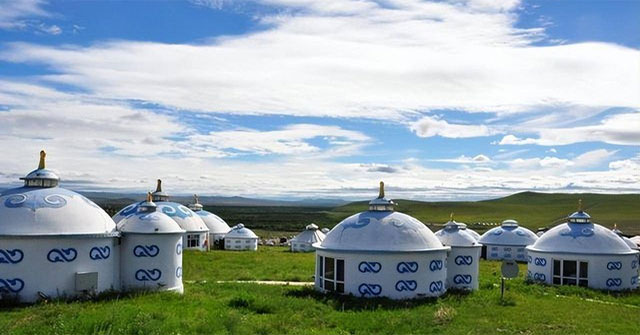
How do Mongolian nomads living in tents go to the toilet and bathe?
Mongolian nomadic life is associated with traditional yurt tents.
Browse ScienceInfo articles and explainers related to Nomadic.
29 published items.
Mongolian nomadic life is associated with traditional yurt tents.
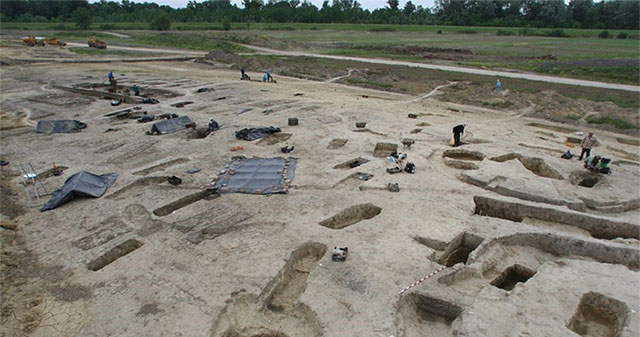
Research analyzing ancient DNA taken from Avar tombs has revealed the origins, as well as the sexual and marital patterns of this powerful empire.

Khitan nomadic people (Khitan), once existed in Central Asia and North Asia. History records that this people built the Liao state and created their own writing.
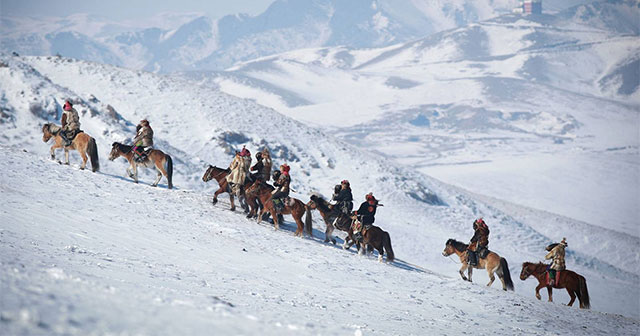
Famous for its vast steppes, endless deserts, majestic mountains and people who grew up on horseback, the remote country of Mongolia has always been an attractive destin…
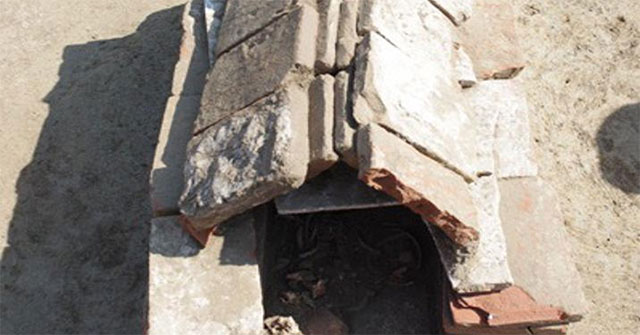
The workers on the mission to renovate the cemetery did not dare to touch the two anomalous rock structures even without knowing it was the tomb of the terrifying Avar w…
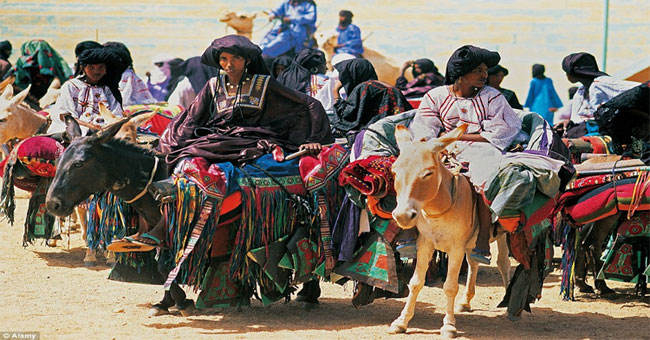
For centuries, the nomadic Tuareg tribe has traveled throughout the Sahara desert, scattered from Libya to Algeria, the Niger and Mali of Africa, according to Every Cult…
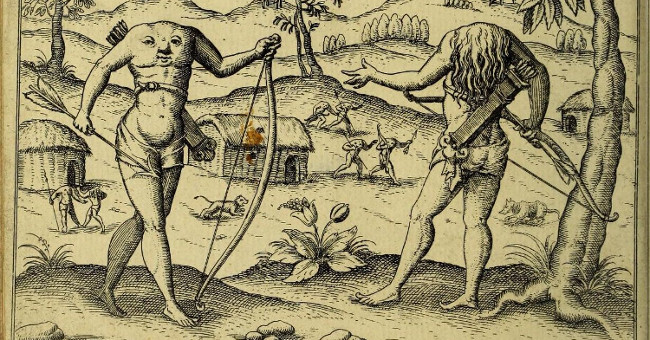
According to Herodotus, the people of the Blemmyes do not have their heads but their eyes, nose, and mouth lie in the chest.
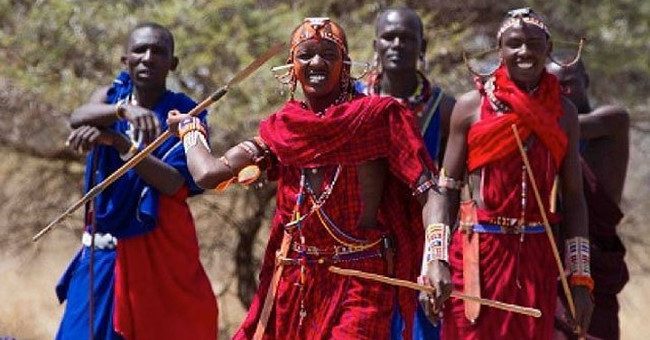
Barabaig is a Barabaig nomadic tribe currently living in the volcanic highland region of Northara region of Manyara region, Tanzania.
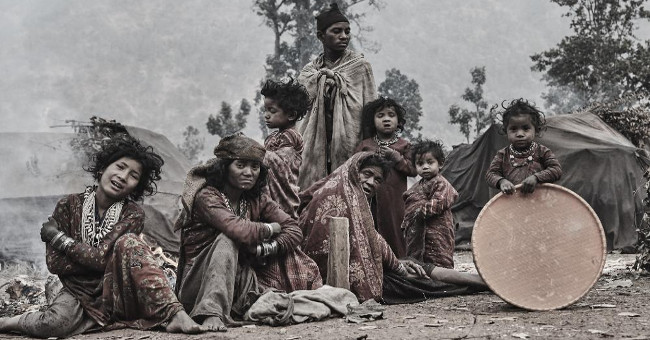
The Raute tribe has a tradition of burying the dead in an upright position in the hope that they will soon be able to go to heaven. After completing the burial, all the…

On the peaks of the Tibetan plateau, nomadic people crawled in the middle of the grass to search for Cordyceps, a rare oriental medicine made from parasitic fungi.
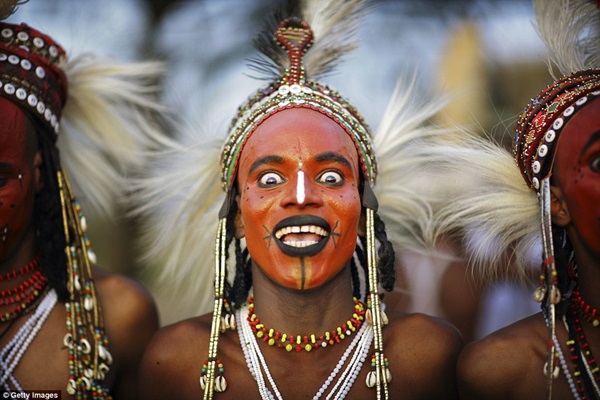
All the men of the Wodaabe tribe held mirrors with them. They are the most arrogant tribe in the world and consider themselves the most handsome people in the world.

The Moken Sea nomadic community lives on the Surin archipelago between Myanmar and Thailand. They lived on traditional Kabang boats, and moved only to temporary beach hu…

India lost about 20% of the language in five decades, according to a new survey by the Bhasha Research and Printing Center.
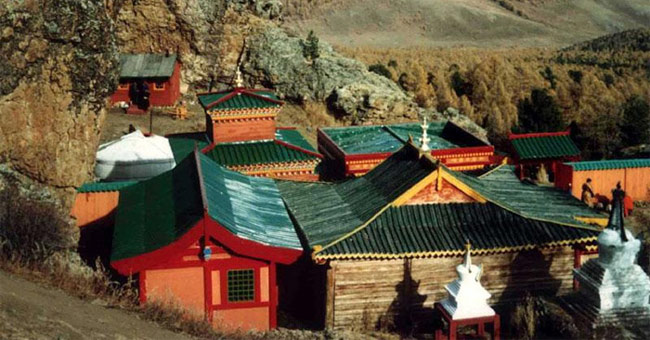
The United Nations Science, Education and Culture Organization recognized the Orkhon Valley of Mongolia as a World Cultural Heritage in 2004.
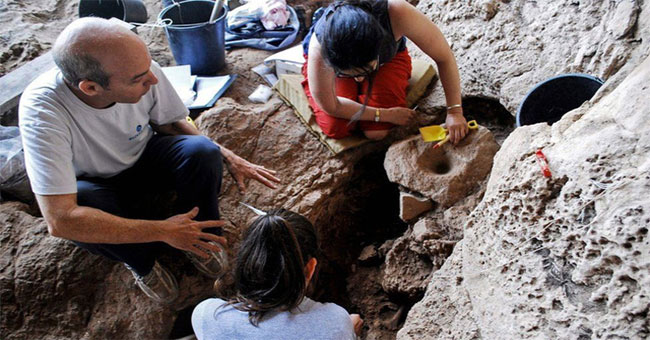
The plant was discovered when researchers were studying a burial site of semi-nomadic hunter-gatherers.