
Environment
The scary truth about black ice near the Arctic
These are the darkest ice sheets ever recorded in history.
Browse ScienceInfo articles and explainers related to North Pole.
53 published items.
These are the darkest ice sheets ever recorded in history.
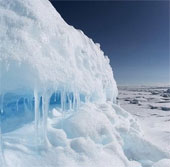
Canada began its scientific mission to map the seabed around the North Pole in the context of its efforts to claim sovereignty over the region and the surrounding sea in…
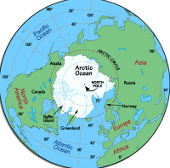
Global warming causes the thickness of the Arctic ice to drop sharply over the past 7 years. With the current situation, some icebreakers have been able to move across n…
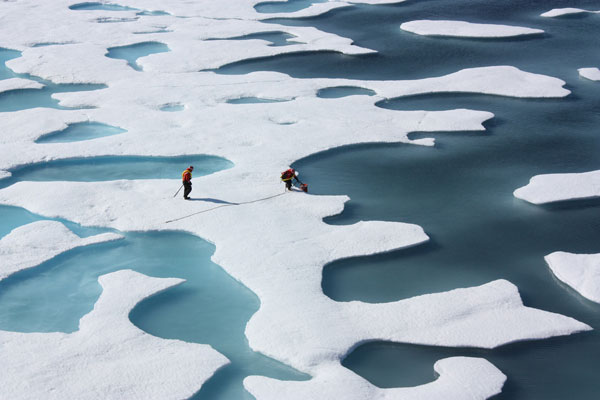
The Arctic ice is melting at the greatest speed in history and this speed tends to increase. That situation can make military and commercial activities more frequent in…
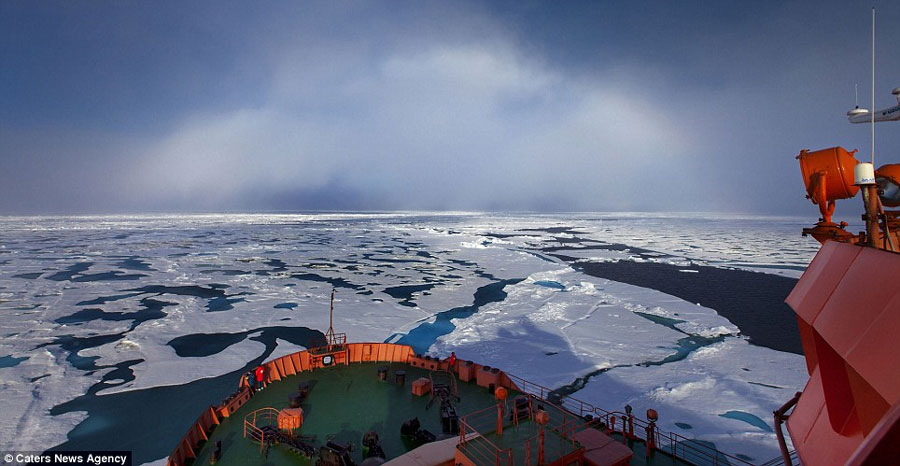
A white rainbow appeared in the Arctic sky for a brief moment recorded by Russian explorer Sam Dobson.
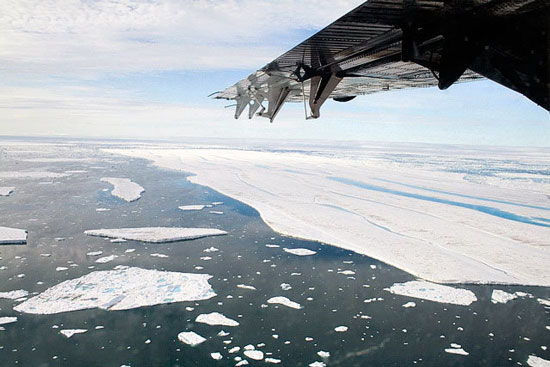
The image of cracks on the giant ice sheet in the Arctic is seen as clear evidence of the damage caused by global warming.
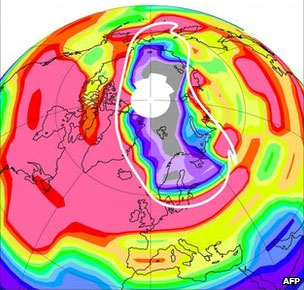
According to scientists, ozone holes have recently appeared in the Arctic region. At an altitude of about 20km from the ground, ozone concentrations decreased by 80%.
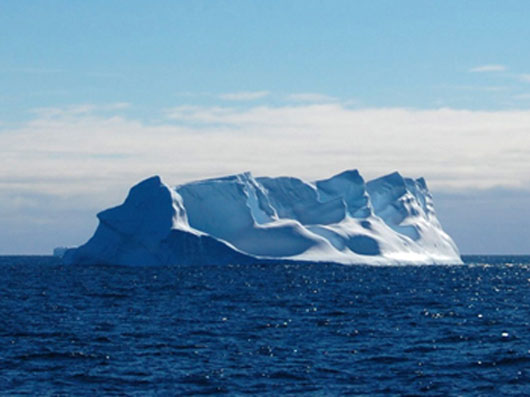
A group of French experts have successfully implemented a model of dragging a giant iceberg from the North Atlantic to northwest Africa, a realistic project that will he…
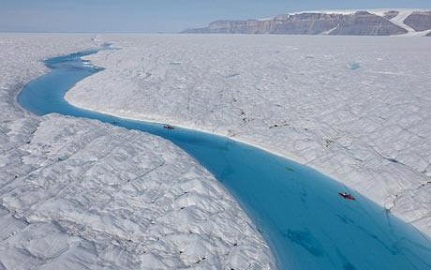
US scientists say an ice sheet of four times the size of Manhattan Island (260 km2) and a height of about 180m have been separated from the Petermann glacier in northern…

According to a new study, the Earth's north pole is being shifted toward Russia about 60 km per year due to changes in the planet's core.
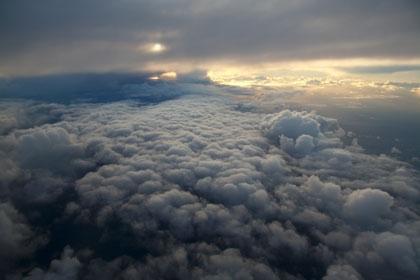
A new study by Erik Kolstad and Thomas J. Bracegirdle shows that one of the most obvious signs of climate change is the rapid decline in Arctic ice cover.
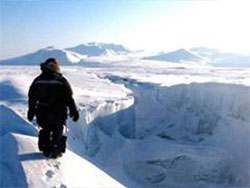
Two large icebergs, about 4-5km2 and one 14km2, have separated from the ice block in the extreme Canada. On July 29, Canadian scientists confirmed two
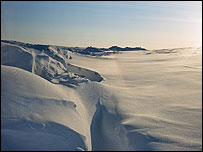
In the next few days Russia intends to explore the Arctic bottom, gaining the right to exploit this cold land. What does it attract Russian people so much?
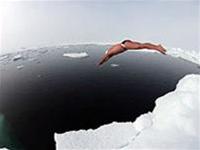
On July 15, Mr. Lewis Gordon Pugh became the first person in the world to swim in the Arctic. He made this risky swim to warn the effects of climate change.
Scientists on Thursday said the Earth's north pole is being swept away quickly from North America and headed towards Syberia. Until now, it is still impossible to explai…