Archeology
Detecting big nose dinosaurs, horn face
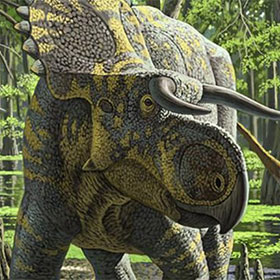
The new dinosaur is about 5 meters tall, is a member of the Triceratops family. In particular, this species has a very large nose and a large front horn
Browse ScienceInfo articles and explainers related to Nose.
376 published items.
The new dinosaur is about 5 meters tall, is a member of the Triceratops family. In particular, this species has a very large nose and a large front horn
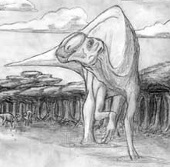
In northern Mexico, archaeologists have discovered fossils of a new herbivorous dinosaur whose nasal nose is particularly large to adapt to the hot and humid environment.

Mr. Tran Xuan Ca, Director of Museum of Yen Bai province said, recently the Provincial Museum has discovered the system of Tran dynasty Buddhist architectural ruins in P…
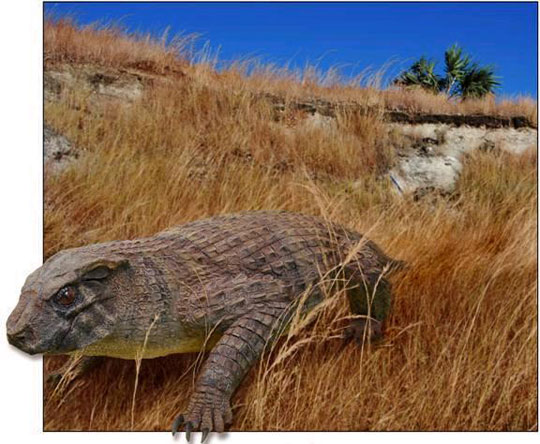
American archaeologists found fossils of ancient crocodile strains with nose-like pig noses and a complete vegetarian diet.

The most recent researchers have claimed that the ancient Egyptian Queen, who has been described by eternal beauty for thousands of years, is not really the most beautif…
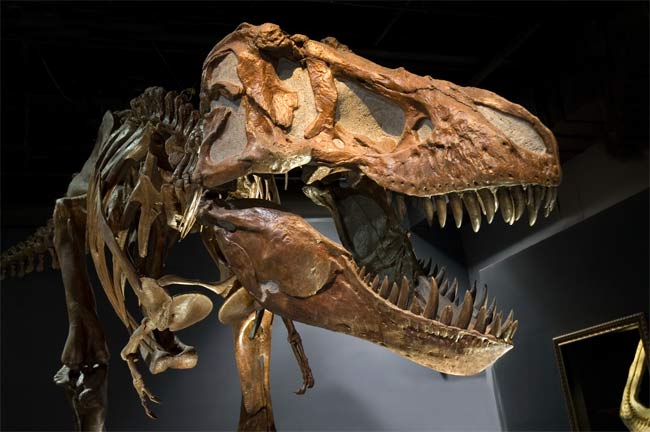
A new study shows that Tyrannosaurus rex must rely on a quick nose to detect victims as well as defeat live prey at night.
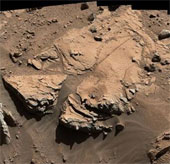
The US Aeronautics and Space Agency (NASA) said the Curiosity self-propelled device will perform a third probe on Mars this May.
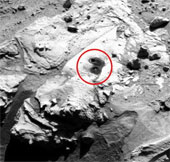
US space agency (NASA) said the Mo Mo robot has just made the third official drill on a block of sandstone in Mars.
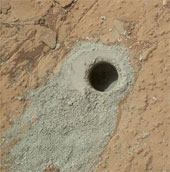
NASA's Curiosity Mars probe has made a second drill into the surface of the red planet to collect specimens for the analysis of life's traces, UPI said. know on 20/5.
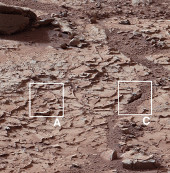
The Mars probe by NASA's Curiosity will soon make its first straight drill into the surface of the red planet, AFP quoted officials as saying. .
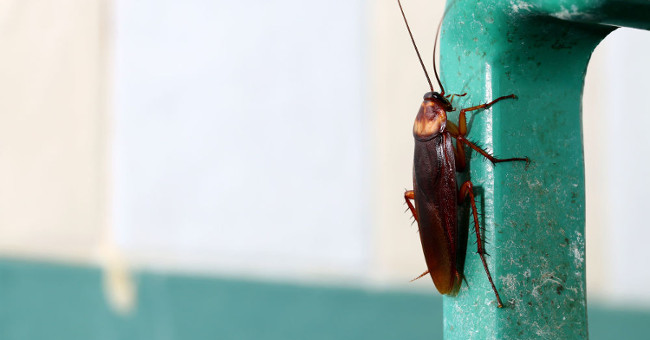
Experts from the University of North Carolina have figured out why people often have to see a doctor because they get into their ears.
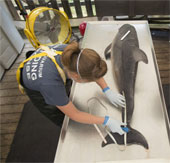
A human virus like measles virus can cause hundreds of big-nose dolphins to die and drift ashore throughout the US East Coast.
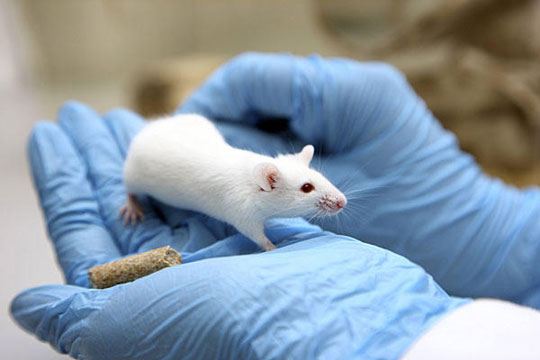
Among the characteristics of living things and humans, feeling the world around you with the sense of smell is still the most mysterious thing.
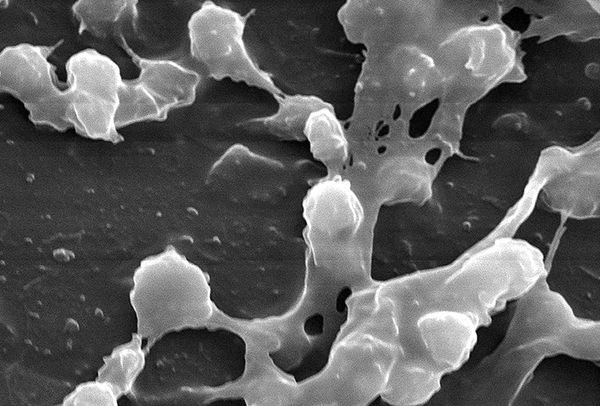
Scientists have declared: bacteria have a nose and are able to smell. This is considered a surprising discovery about evolution.
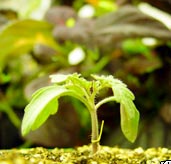
The parasitic rose does not have a nose but it knows how to smell its prey and attack crops like tomatoes, carrots, onions, citrus, alfalfa and flowers.