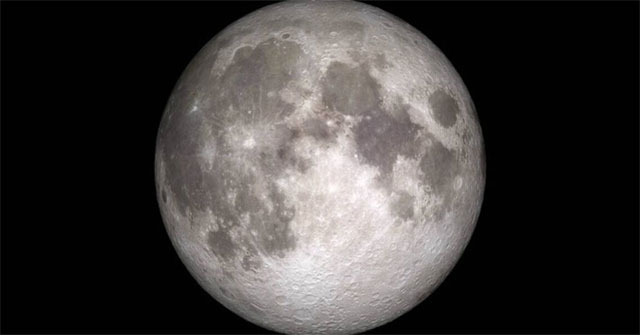
Space science
Want to 'fly' around the Moon? Hurry up and register with NASA!
Space travel is clearly for astronauts and later for the super rich, but NASA has devised a way for ordinary people to also
Browse ScienceInfo articles and explainers related to Orion.
111 published items.
Space travel is clearly for astronauts and later for the super rich, but NASA has devised a way for ordinary people to also
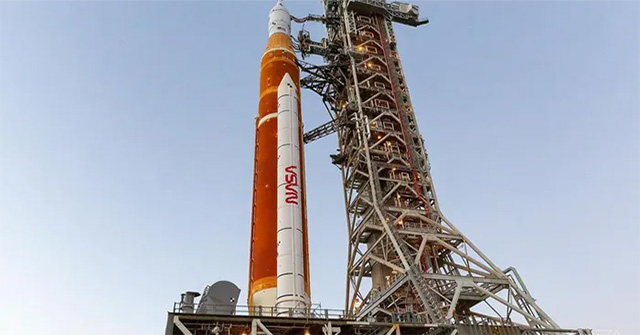
SLS is the most powerful missile in the world that the US possesses. SLS is about to carry out NASA's 'golden era missions'.

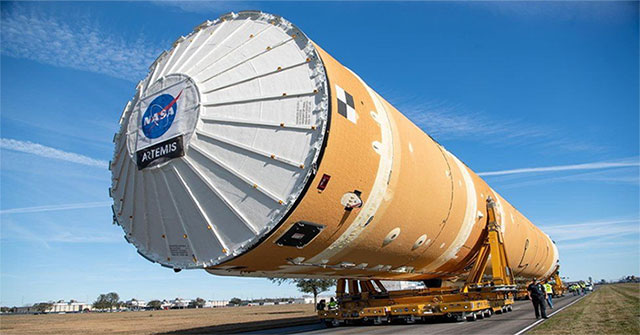
NASA's giant 50-year-old crawler vehicle will carry the SLS rocket and Orion to the launch pad next week.

Everything on sunny ground will burn up, houses, roads, forests, rivers, oceans will instantly evaporate, and the atmosphere will be swept away.
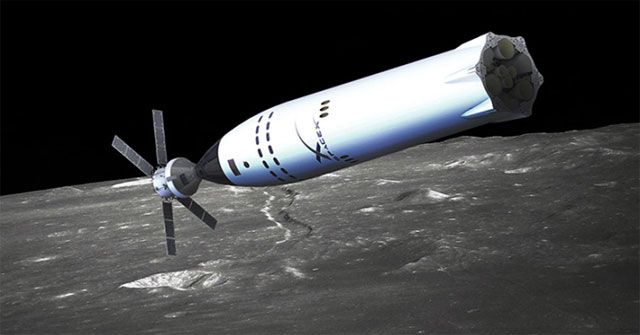
The NASA director said on November 9 that the flight to carry astronauts back to the Moon after five decades would not take place earlier than 2055.
NASA said it has completed the process of putting Orion on the SLS space launch system and is expected to have the first unmanned flight to the moon in 2022.
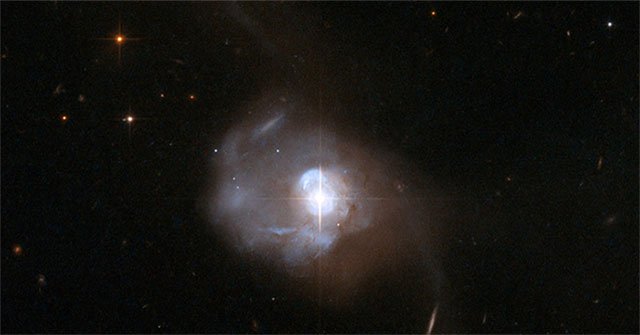
Astronomers detected a sign that a large number of oxygen molecules exist in the Markarian galaxy 231, 560 million light-years from Earth.
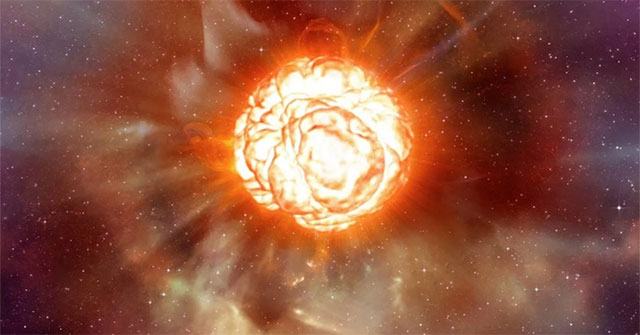
When it happens, the explosion of a star larger than 1,000 Suns can be seen from the Earth even in the morning.
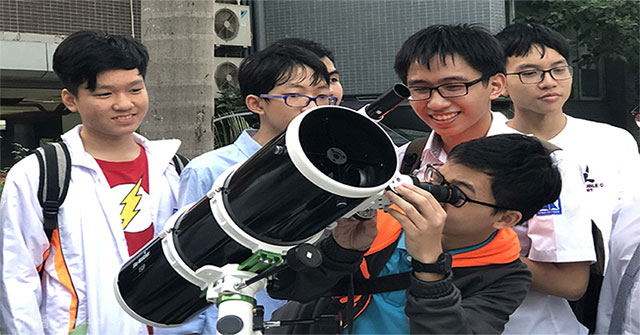
The 2nd USTH Space Day 2019 is organized to inspire young people who are passionate about exploring the universe.
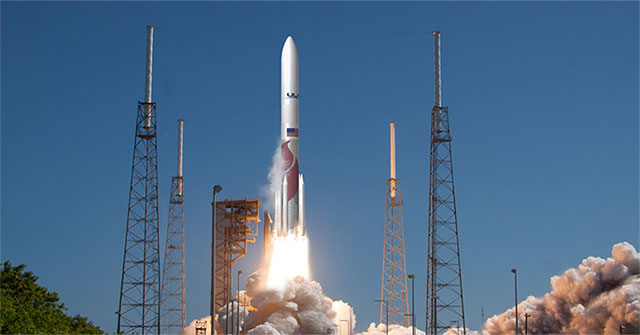
In order to realize the plan to send astronauts back to explore the Moon in 2024, the US Space Agency (NASA) signed a $ 2.7 billion contract to hire Lockheed Martin to p…

The process of testing rocket boosters is important because it determines the success of the introduction of NASA's Orion spacecraft into orbit and access to the Moon.
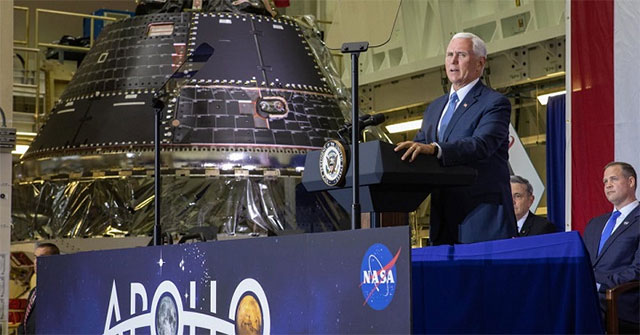
The space chamber of the Artemis project is tasked with bringing the American astronauts to the moon already prepared.
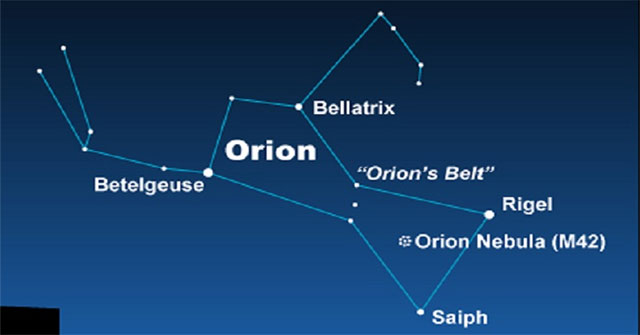
Pointing out the constellations in the sky is an interesting game, and when those constellations have bright stars, it is hard for anyone to ignore them in the night sky.
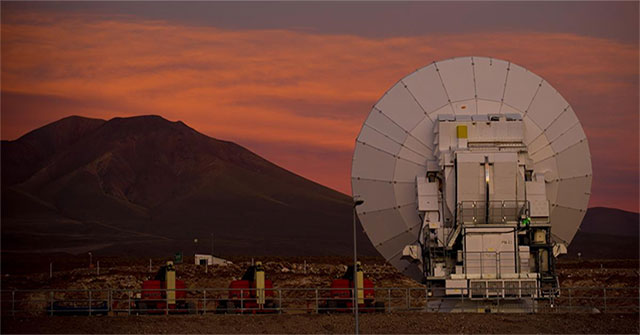
A team of scientific researchers have announced for the first time the aluminum-containing molecule around a young star thanks to the antennas of the ALMA telescope.