Space science
The air shot when the star 'gave birth'
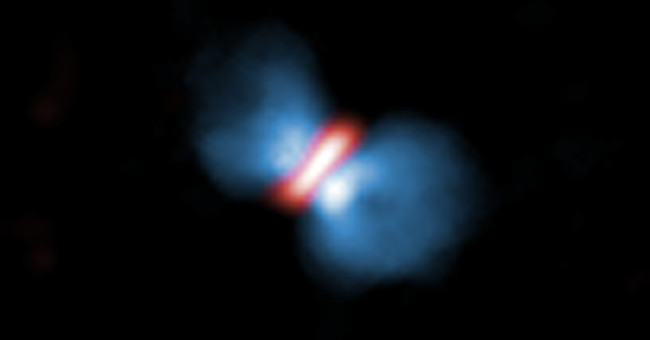
The ALMA observatory observes the time when the giant air flow was fired, marking the birth of Orion KL Source 1.
Browse ScienceInfo articles and explainers related to Orion.
111 published items.
The ALMA observatory observes the time when the giant air flow was fired, marking the birth of Orion KL Source 1.
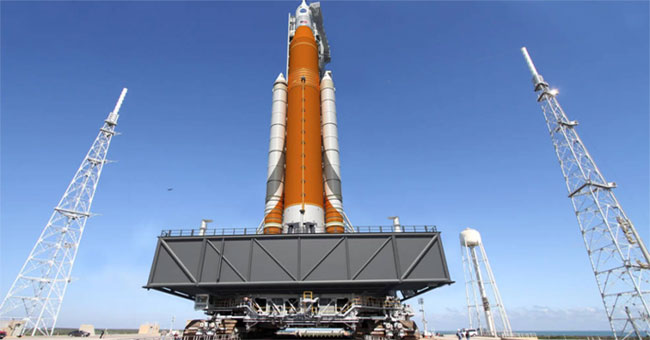
The plan to test the dedicated space shuttle Orion, designed to carry out the task of sending people to Mars, was postponed until 2019.
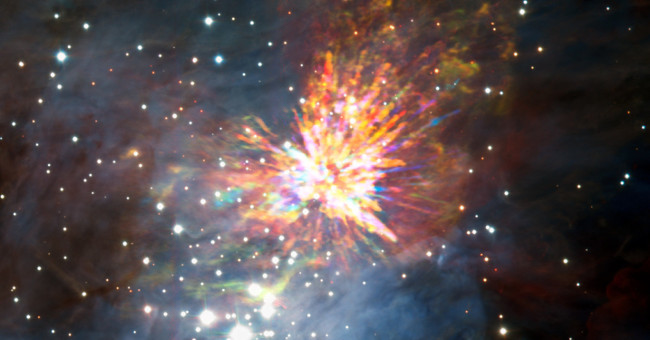
Astronomers of the ALMA Observatory, Chile, recorded brilliant moments like fireworks when the two stars collided 500 years ago, creating a giant explosion.
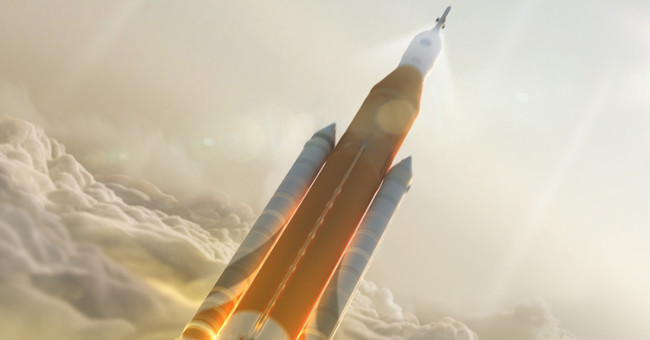
NASA is studying the ability to send astronauts into space with the most powerful missile launch system ever. This system will significantly speed up the plan back to th…

According to ScienceAlert, NASA has successfully tested the world's most powerful rocket engine.
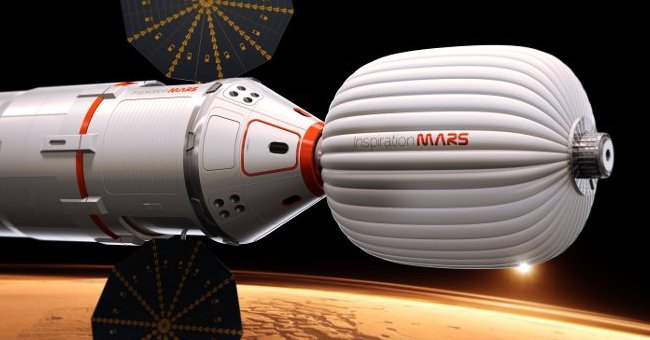
Under the plan of the US Aeronautics and Space Agency, they will take astronauts up there with the Orion spacecraft, with the space inside like a small truck.
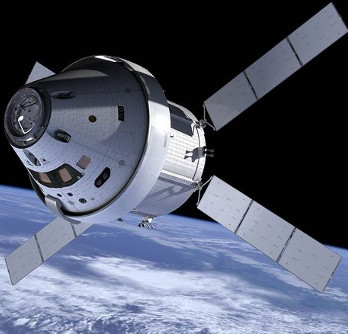
The US Aeronautics and Space Administration (NASA) decided to reverse the first flight carrying people onto the space shuttle Orion to 2023 due to difficulties arising d…
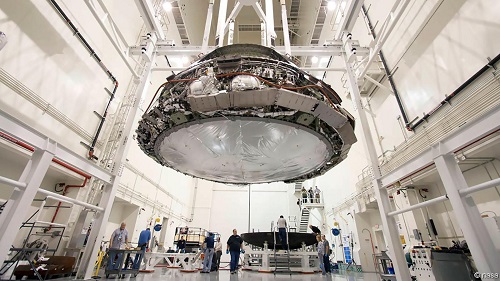
Scientists are constantly studying to accelerate the speed of the spacecraft, however, the safe limit for accelerating ships is still a must. The human body can be torn…

The launch of the first Orion spacecraft in the mission to bring people to Mars by 2030 will be carried out on December 4.
The US Aerospace Agency (NASA) on December 5 launched a successful test of the Orion spacecraft, a new step in the process of fulfilling its goal of conquering Mars.
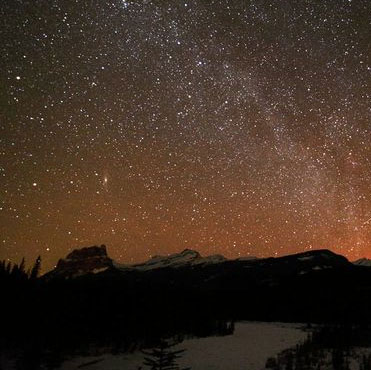
From 0-4 hours on October 22, 2012, Vietnamese astronomers can admire the meteor shower Orionids with about 25-30 meteors every hour.

The US Aerospace Agency (NASA) announced on July 2 that it has reached an important milestone in the creation of the space launch system (SLS), designed as the most powe…
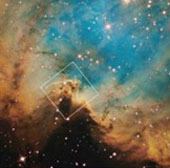
NASA has just released a series of impressive new images of the Monkey Head Nebula, a star-forming cradle about 6,400 light-years from Earth.
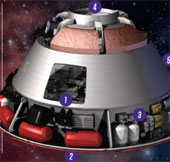
The US aerospace agency (NASA) has begun to build a new astronaut-carrying spacecraft, which is expected to bring people further into the universe, including exploring M…
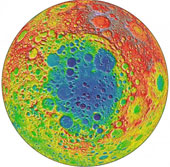
In addition, NASA plans to bring the spacecraft into orbit around the Lagrange L2 point, which is at an altitude of 60,000km above the dark part of the moon.