
Oceanography
Oysters are declining rapidly
The habitat of oysters around the world is threatened. This mollusk is disappearing very quickly ...
Browse ScienceInfo articles and explainers related to Oyster.
80 published items.
The habitat of oysters around the world is threatened. This mollusk is disappearing very quickly ...

A fisherman discovered an oyster with a width of 18 cm and weighed nearly 1.4 kg at the port of Plymouth, England.
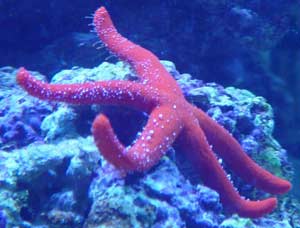
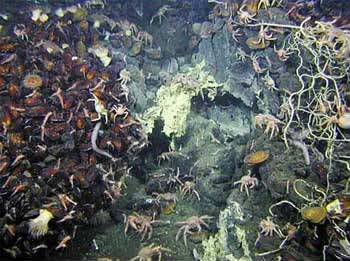
Scientists at the University of Hawaii (UH) recently announced they had witnessed an unprecedented scene: seeing 30-centimeter stone oysters, giant oysters, craters, min…
Australian archaeologists have unearthed very prehistoric koalas in the Mornington Peninsula, Victoria.
The results of a group of scientific researchers from the University of Valencia, Spain, said that from 14,500 years ago, people had taken advantage of whale meat, fat a…

More than 500 years after the secret was lost, a British scientist claimed to have rediscovered the way the ancient Romans created the powerful purple color - the charac…
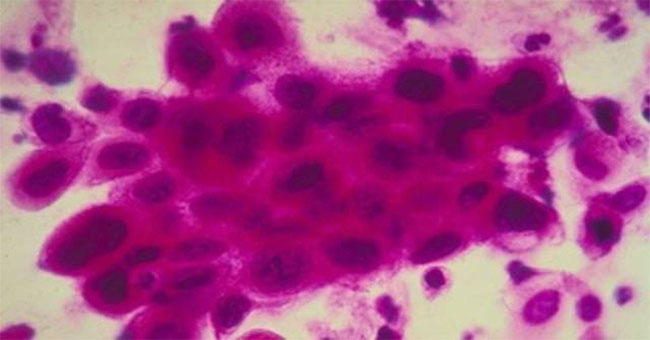
Recently, American media reported on an extremely ominous event. Mr. Angel Perez (60 years old) went to catch crabs at the familiar Maurice river.
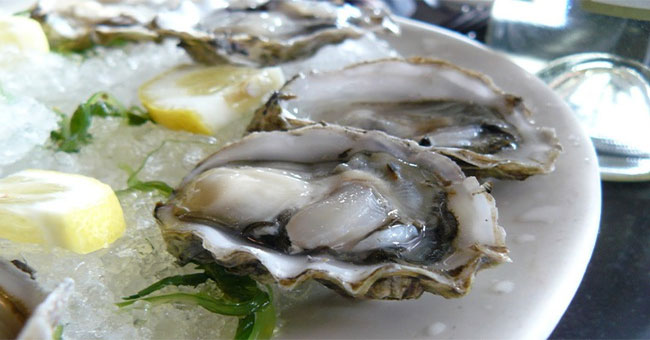
According to the FDA, Vibrio bacteria often cause gastrointestinal symptoms such as diarrhea, vomiting and abdominal pain.
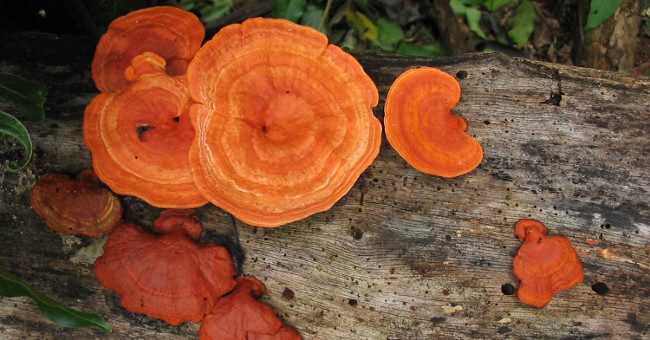
Recently, expert Celestino Odín Rodríguez Nava, of the Mexican National Polytechnic Institute (IPN), has discovered many types of fungi capable of cleaning contaminated…
White Mushroom (Pleurotus Cornucopiae), a precious, delicious, sweet mushroom has been successfully grown in Cat Tien National Park.
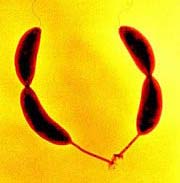
Geckos, mussels and oysters must now step aside - when physicists find the owner of the world's most persistent glue, the Caulobacter crescentus species, which specializ…
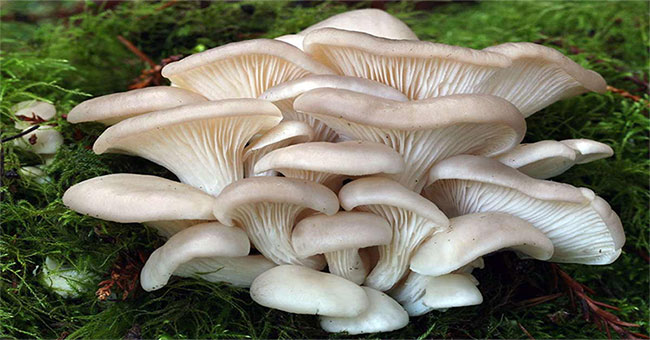
On the surface, oyster mushrooms don't seem to be dangerous. It is also an edible fungus. However, hidden behind that gentle look is a wise and most brutal predator in t…
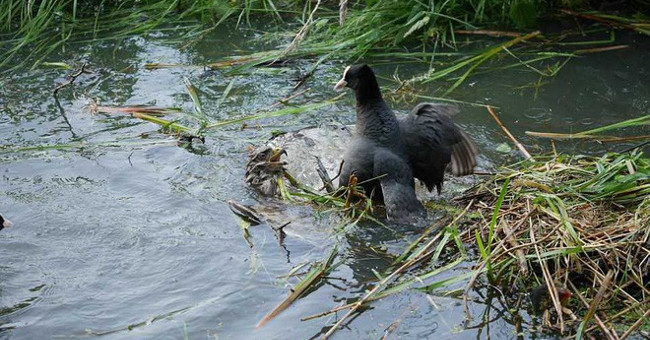
According to Long Room, the buzzard is on the way to hunt, suddenly discovering a family holding a bird in the lake.
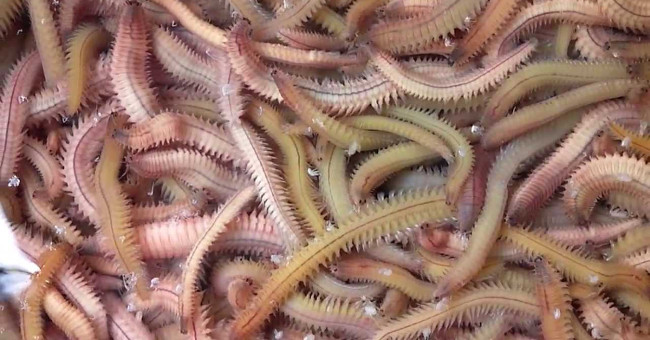
Many people think that the claw is like asexual worm by breaking up to multiply new individuals, but in fact it has a continuation of two asexual and sexual methods.