Space science
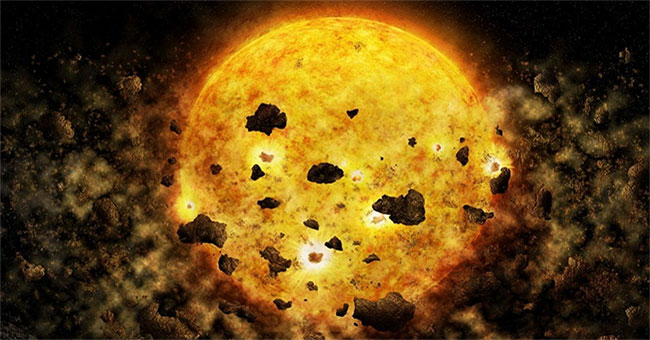
Planet's 'carnivorous' star is 450 light years from Earth
Scientists can first observe a young star
Browse ScienceInfo articles and explainers related to Planetary.
230 published items.
Scientists can first observe a young star
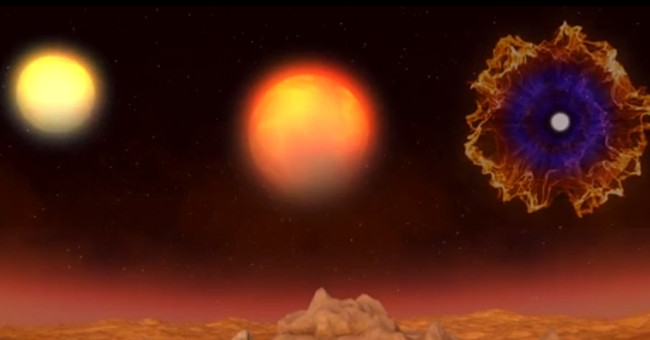
When the Sun dies, its core heats up fast enough to create observable planetary nebulae from a distance of two million light years.
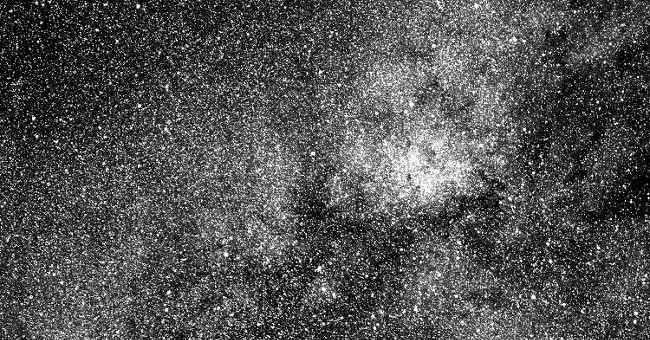
The Exoplanet Satellite Survey (TESS) sent the first shot when it was about 8,000 kilometers from the Moon, Space reported on May 18.
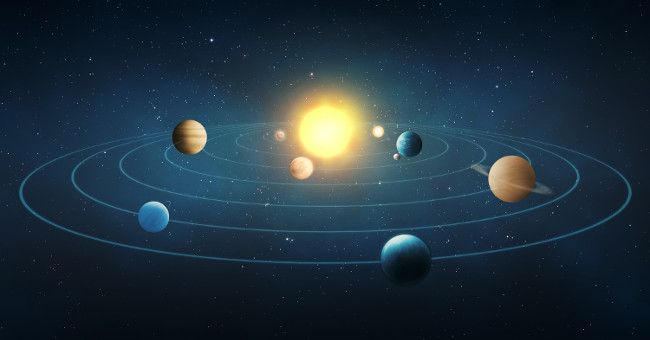
Scientists have confirmed a long-held hypothesis, the Earth's trajectory distorted by the gravity of Jupiter and Venus according to the 405,000-year cycle.
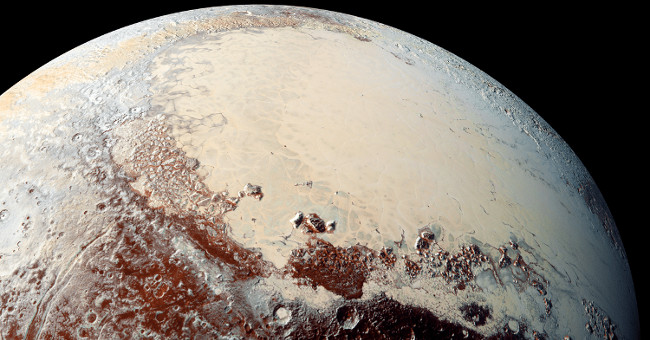
Before 2006, Pluto (or Pluto) was always considered the 9th planet of the solar system.
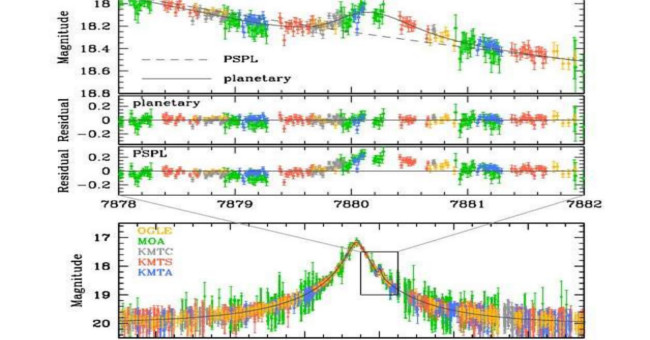
A group of international astronomers discovered one
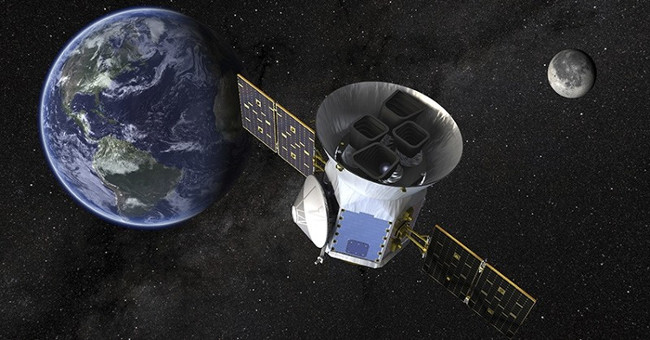
NASA is ready to launch a dishwasher-sized spacecraft worth $ 337 million with the aim of expanding exploration of planets outside the solar system.
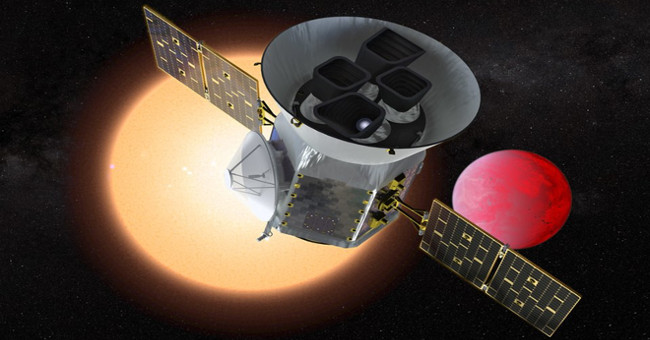
According to NASA's schedule, the TESS satellite will be launched into space by Space X on Falcon 9 missiles, in Cape Canaveral, Florida.
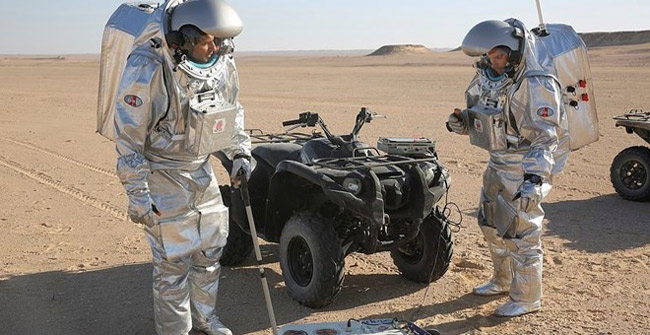
NASA astronauts are undergoing a month of isolation on a red planetary simulation environment in the Dhofar desert in Oman to prepare for the mission to bring people to…

NASA experts are always trying to find evidence of other planetary life based on the information obtained by the James Webb telescope.
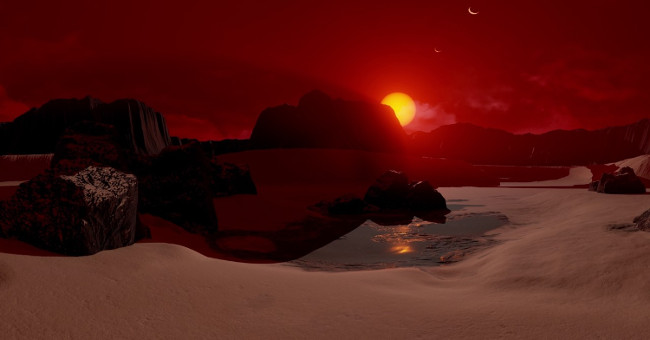
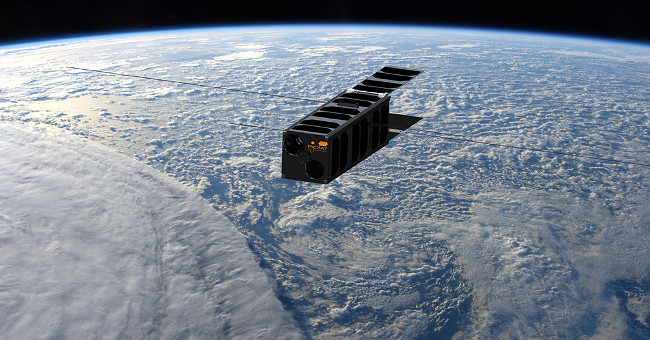
On January 12, France launched a satellite the size of a bottle of champagne into Earth's orbit to study a young and mysterious planetary system in the galaxy.
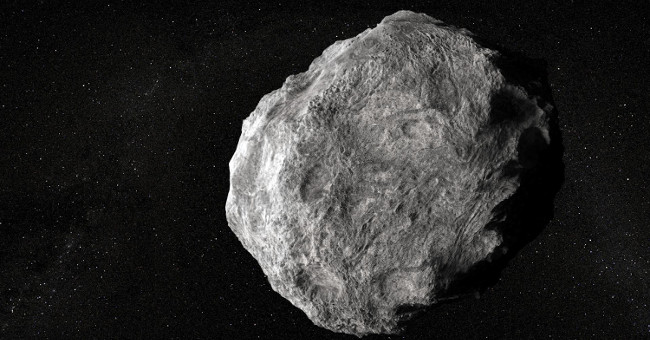
According to Sky News, an asteroid discovered by NASA on Christmas Day then glided over Earth at a very close distance.

Planetary microscopic objects bombarded the Earth nearly 4 billion years ago, bringing many precious metals.
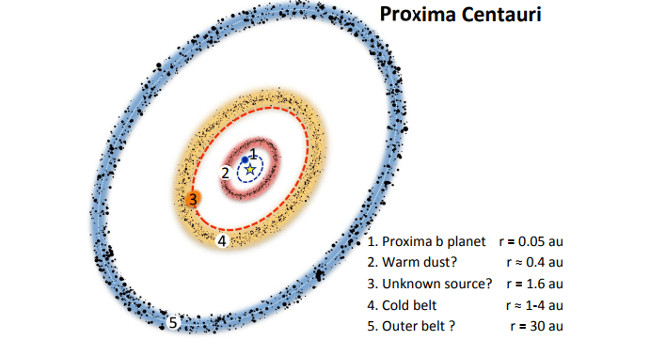
Scientists used data from the ALMA Observatory in Chile to study the star discovered last year.