Space science
NASA found 10 planet candidates that could contain life
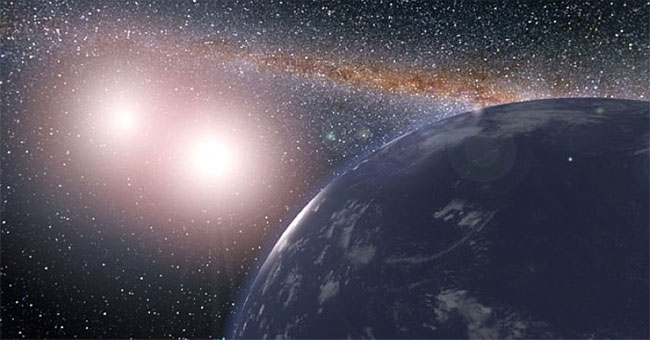
NASA's Kepler Space Telescope discovered 219 new planet candidates and 10 of them could fit life.
Browse ScienceInfo articles and explainers related to Planetary.
230 published items.
NASA's Kepler Space Telescope discovered 219 new planet candidates and 10 of them could fit life.
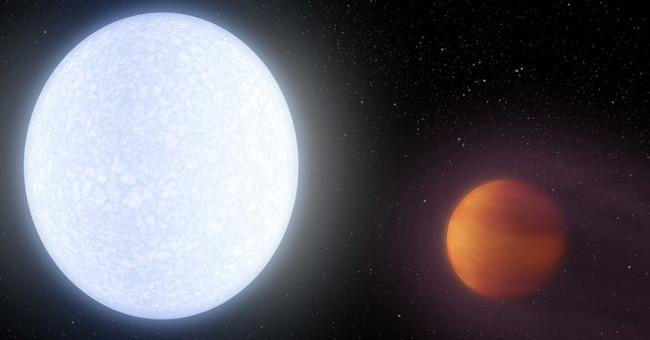
American astronomers found the hottest extraterrestrial planet to revolve around a star that has twice the Sun's temperature.
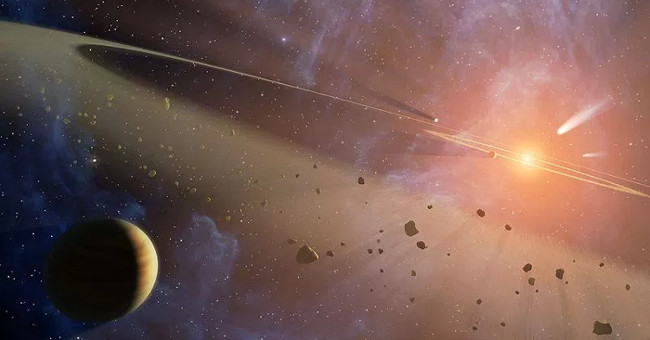
Astronomers from the US Aeronautics Agency (NASA) have discovered a solar system in the constellation Eradinus
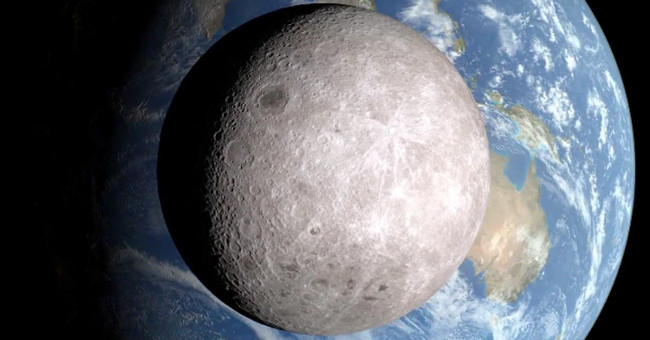
Planetary scientist Barnes (Jason Barners) of Idaho University in the United States after years of research, calculating time
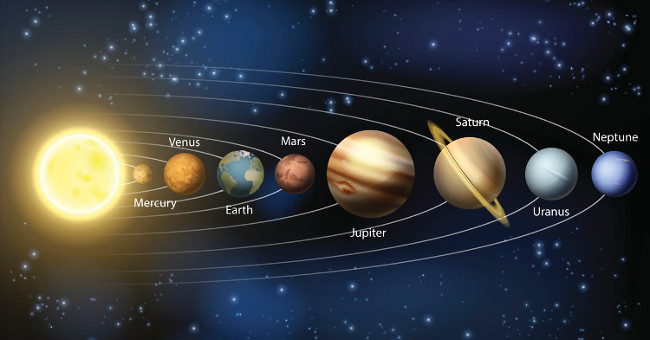
After the search process, the online community has strongly contributed to the program to find an undiscovered planet in our Solar System and nominated 4 candidates.
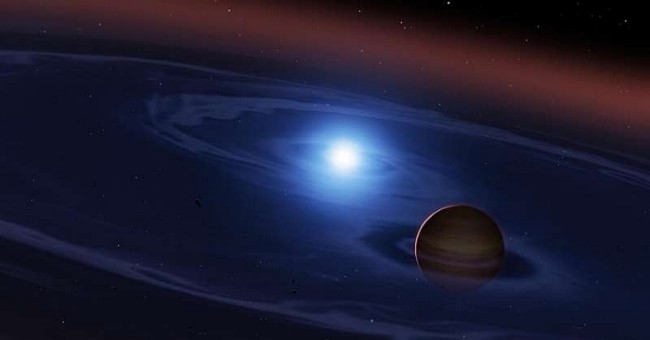
Astronomers have found evidence that meteorite fragments revolve around two stars, a sign that a planet is about to be formed.
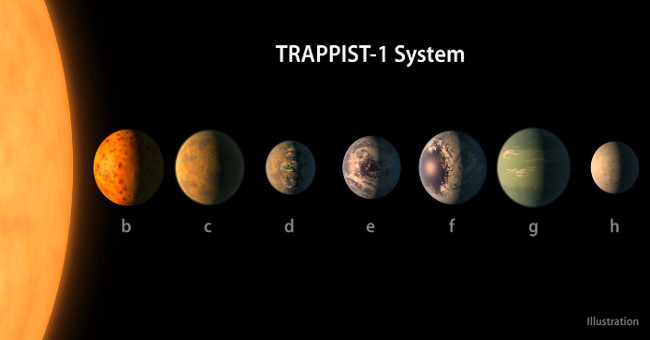
Recently, scientists revealed the discovery that shocked the 7 planets like Earth.

An American planetary scientist predicts the Moon will crash into Earth after 65 billion years.

Researchers have developed a new material from liquid metal and magnetic molecules. They can help scientists learn about the mysteries surrounding Earth's magnetic force.
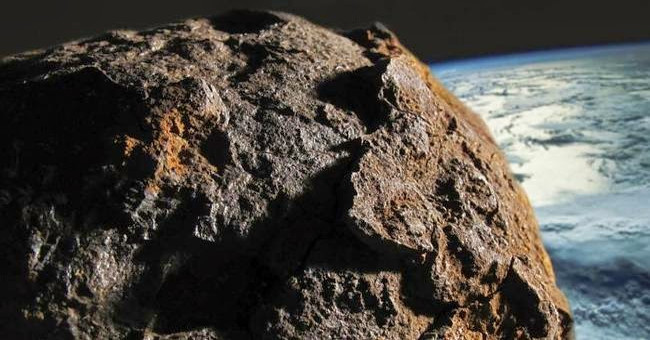
The 2017 AG13 meteorite is 25-35m high, is equal to a 10-storey building, first discovered on the evening of January 8 through the Catalina Sky Survey program of the Uni…

The nebula is a celestial body in the form of cloudy clouds consisting of stellar gas and cosmic dust. The proportion of matter in the nebula very low. If measured by th…
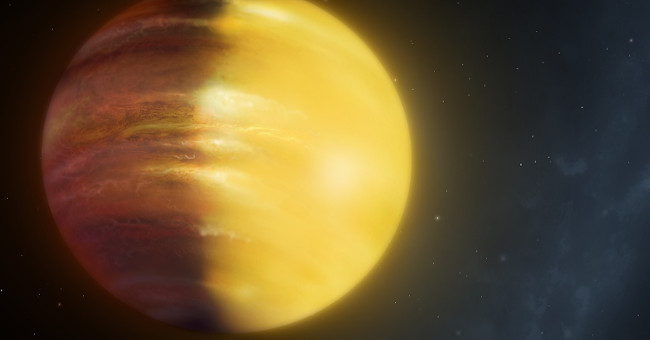
British researchers discovered a solar system outside the solar system surrounded by minerals-rich clouds creating rubies and sapphire stones.
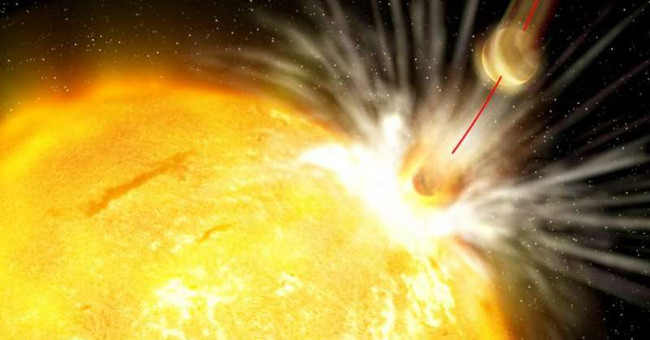
The HIP68468 star has the same size, mass, and brightness as the Sun and has many signs that it has swallowed some planets in the system.

The precise understanding of how the planets in the solar system are formed remains a controversial topic.
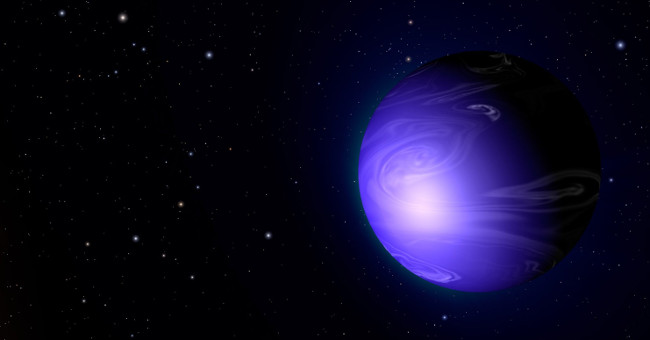
The study of Swiss astronomers indicates extraterrestrial HD 189733 b has the harshest weather in the universe.