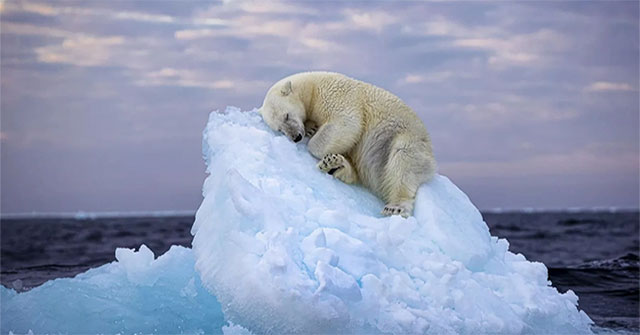
Animal world
Polar bears struggle with climate change
Amid climate change and shrinking habitats, polar bears are struggling to adapt to new conditions.
Browse ScienceInfo articles and explainers related to Polar Bear.
63 published items.
Amid climate change and shrinking habitats, polar bears are struggling to adapt to new conditions.
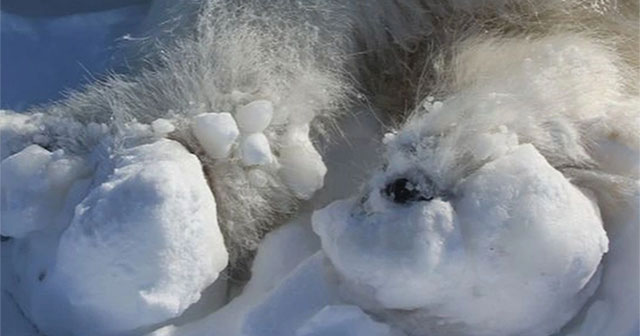
Polar bears are suffering terrible injuries to their paws due to changing ice conditions in the area.
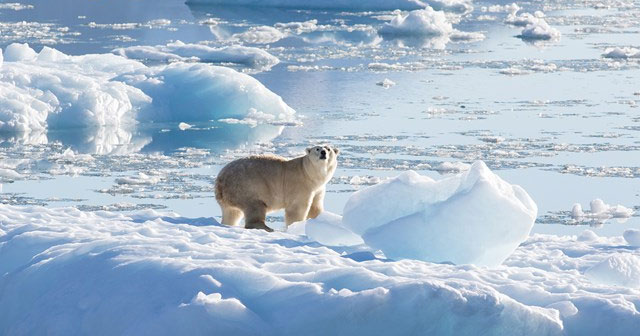
A distinct and genetically isolated population of polar bears has been recorded in southeastern Greenland.
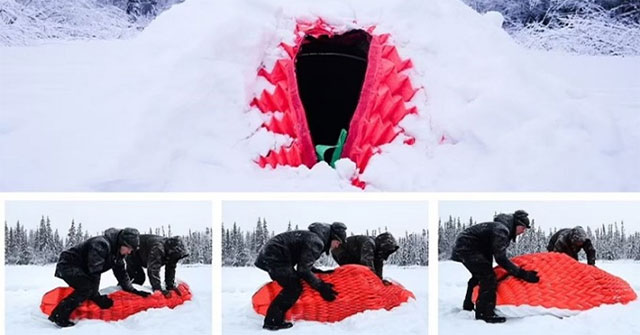
Students at the Royal Danish Academy drew inspiration from polar bears to design a shelter to help people in distress cope with the harsh snow and ice conditions.
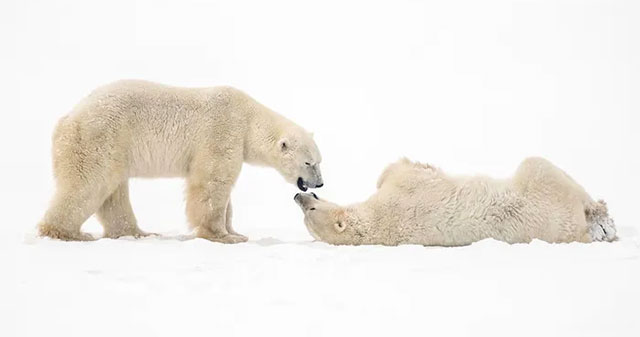
The small, cold town of Churchill, with difficult access in Canada, is known as the 'polar bear capital', an attractive place that attracts many adventurous tourists.
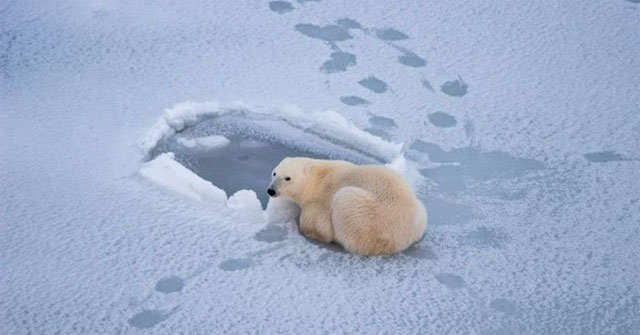
Many have cited the difference between the South Pole and the North Pole to demonstrate that polar bears are unsuited to the environmental conditions of Antarctica.
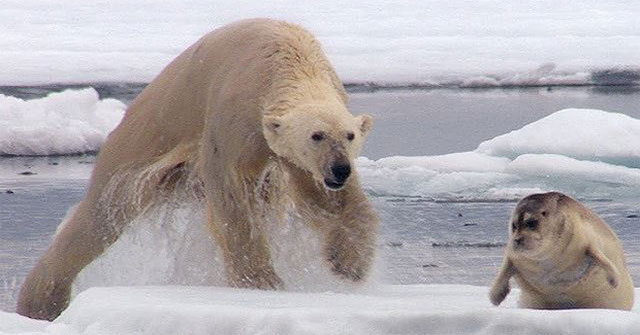
The main food of polar bears is seals, without this species, polar bears can hardly survive.
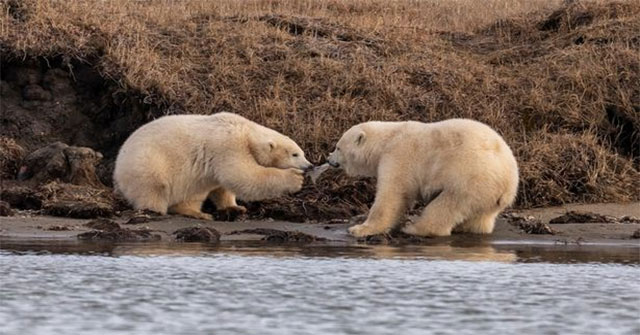
The heartbreaking image of young polar bears scrambling for plastic containers shows the dreadful human impact on the environment.
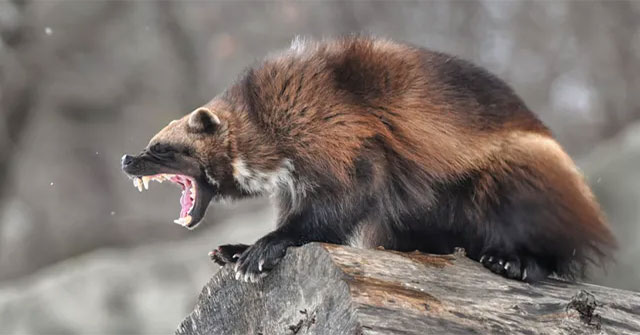
Despite the differences in appearance but this animal still possesses the qualities worthy of the name 'werewolf', especially to mention the aggressive nature combined w…
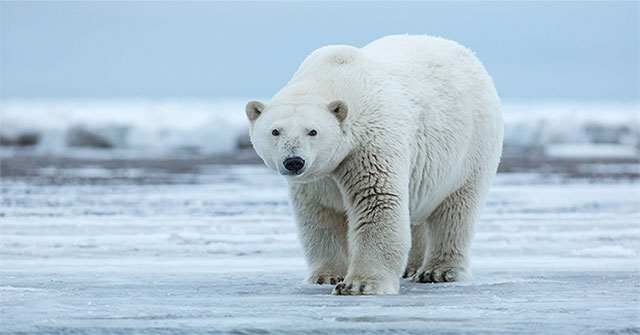
Thanks to the simulation and improvement of the polar bear's fur, scientists have successfully invented the world's best warming material.
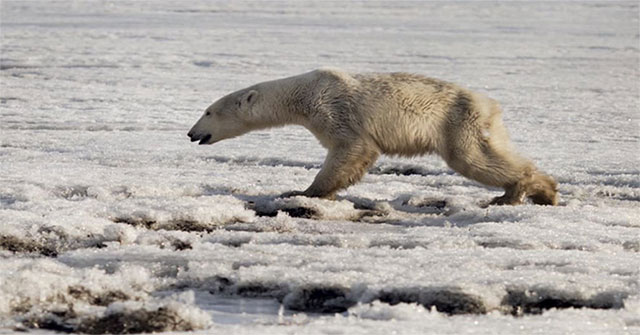
Environmental activists blamed climate change, when a skinny bear was discovered straying from its original place to 700km to get food.
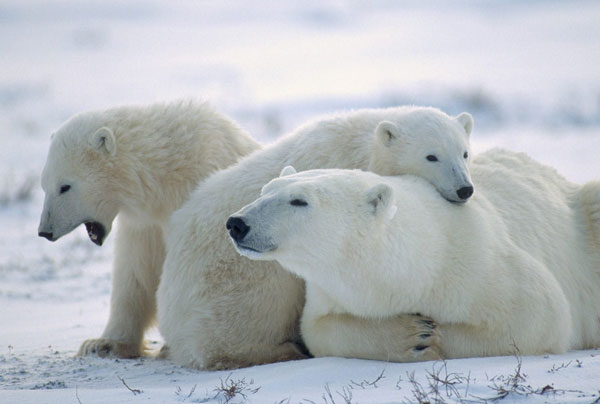
But research by Frank Hailer and colleagues published on April 19 shows that the species has 600,000 years of being familiar with polar conditions. And it also means tha…

A Spanish scientist thinks alien creatures can be as heavy as a polar bear and over two meters tall, but are unlikely to be smarter than humanity.

The Arctic region is the northernmost part of the Earth. This is where the Sun only grows and dives once a year, once the Sun has risen, it will shine for six months.
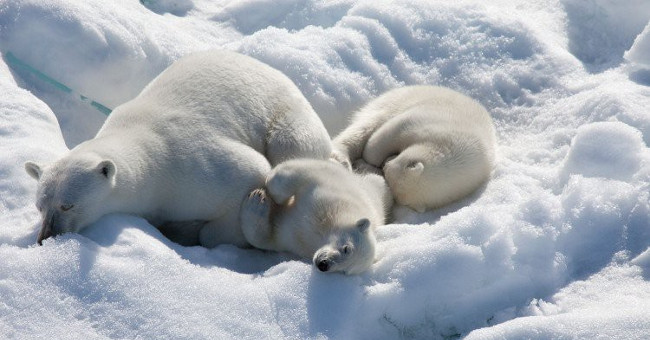
Many people still claim that polar bear fur is white or yellow, but the truth is absolutely not.