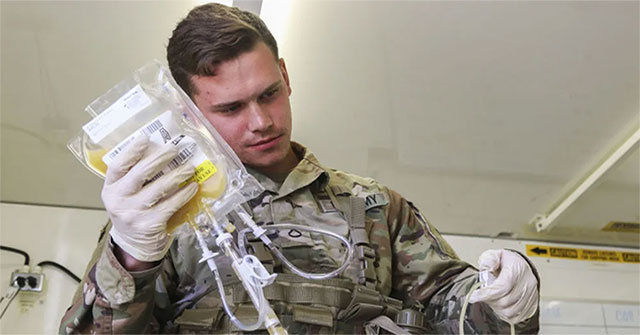
New technologyThe US military is said to be developing a special algorithm that is currently at an early stage of development involving the diagnosis of early infant soldier disease.
October 30, 2019
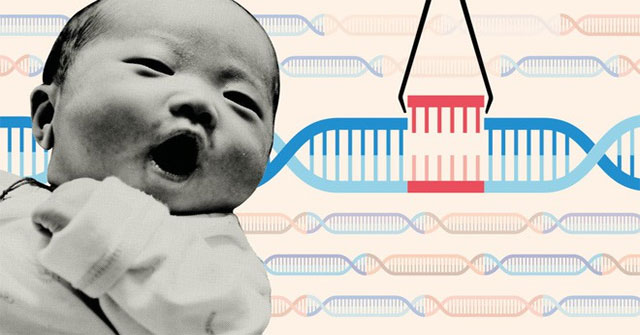
HealthLast June, a study published in the journal Nature Medicine claimed to find evidence that twin gene-modified twin girls in China were at risk of premature death.
October 17, 2019
BiologyAccording to the Hydrological Processes, an international mathematical group has modeled to help determine how plants affect the conservation of water resources in diffe…
October 14, 2019

Science EventsGenetic studies are expected to win this year. Immunology, cancer, and infectious diseases have fewer opportunities.
October 7, 2019

Discover scienceThe interesting thing here is that besides the `` utopian '' buildings such as rolling houses, floating houses in the space, there are many ideas that nearly match moder…
September 28, 2019

ArcheologyThe new discovery of sea level in the Upper Body can help scientists more accurately predict future climate change.
September 4, 2019

EnvironmentPodul moved quickly and entered the South China Sea early on August 28. It is predicted that the storm will continue to strengthen and possibly enter the Tonkin Gulf in…
August 28, 2019
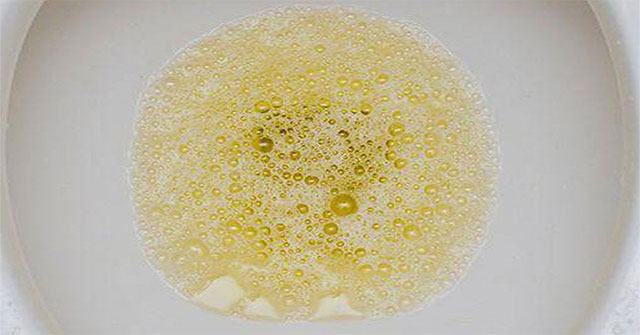
LifeThrough color as well as signs of urine, you can predict your health, but it is unusual for signs of urinary foam.
August 26, 2019
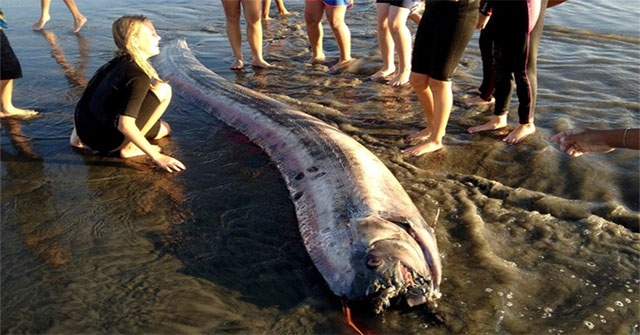
OceanographyThe Japanese should not continue to watch the giant fish in the deep sea to predict earthquakes as more than two centuries ago, according to the study.
August 15, 2019

HealthIsraeli scientists have developed an algorithm based on data from the initial exposure of a bacterium to the human body's immune system, helping to predict tuberculosis.
July 28, 2019
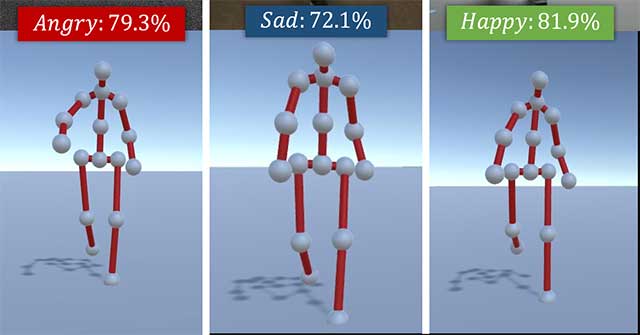
AI - Artificial intelligenceAre you happy, sad, or angry? Scientists are teaching algorithms to feel emotions that just look at the gait!
July 18, 2019

Discover scienceThe smell of ozone or aromatic particles in the air can be a sign that heavy rains occur.
July 6, 2019

Discover scienceScientists predict, if using too many smart phones, humans in 2100 will develop thick, 4-eyelid skulls.
July 2, 2019
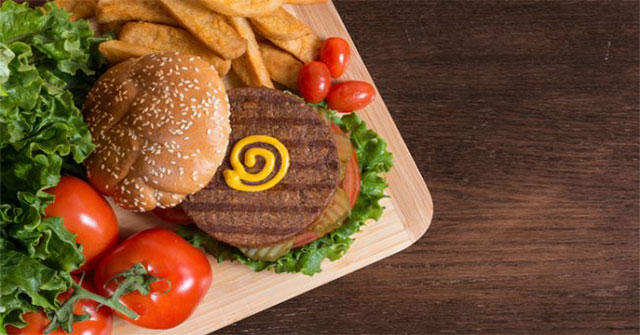
HealthExperts predict that by 2040, most human consumption 'meat' products do not come from animals but 60% of which are of plant origin.
June 28, 2019