Medicine - Health
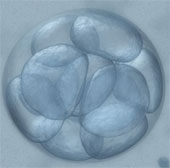
New discovery of cell embryo formation
Australian scientists have reported the discovery of a change in the shape of cells during embryogenesis, paving the way for improving in vitro fertilization (IVF) in hu…
Browse ScienceInfo articles and explainers related to Process.
1,732 published items.
Australian scientists have reported the discovery of a change in the shape of cells during embryogenesis, paving the way for improving in vitro fertilization (IVF) in hu…
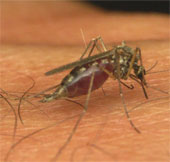
The enzyme that the team just discovered is called Phosphatidylinositol-4-kinase or PI4K.

Reading and writing can protect the brain of older people, while delaying the aging process of the brain, according to a study published on Healthmeup.
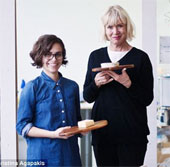
Scientists have found a way to process cheese from the bacteria that inhabit the legs, navel and even in the armpit of a person.
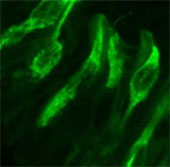
Obesity can affect how to enjoy food at the most basic level: changing the way our tongue responds to different foods.

Recent research by Dutch scientists shows that people with depression are at greater risk of aging than others.

Currently, scientists have discovered that the biological clock is the culprit that actually causes breast tissue to age faster than the rest of the body.
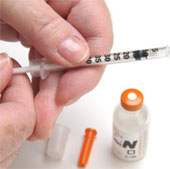
Long-awaited tablet insulin may become a reality later this decade.

A new study found that eating more tomatoes and eating less processed red meat could help men reduce the risk of dying from prostate cancer.
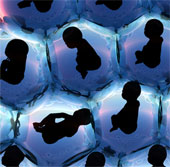
Infertility therapies are creating unprepared children, and complicating the inheritance process of lost parents.

Scientists have discovered how to freeze adult skin cells so they don't age, helping us stay young.

New product called Canada Hot Hot Ginger Ale is the result of a long research process to find a way to combine the heat and carbonate bubbles into a drink.
A research team in Singapore has found a more effective prototype in the process of making effective treatment for dengue fever.
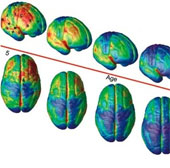
Contrary to what many people think, researchers find our brain takes 25 years to complete the development process.
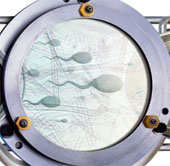
After the Japanese scientists created eggs and sperm in the laboratory, experts are trying to find ways to use these cells safely.