New technology
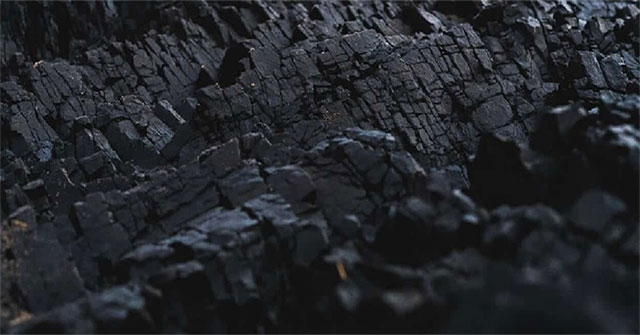
Biochar produced from sugarcane husks and sawdust
Scientists have used rice husks and sawdust to make biochar to help emit less CO2 and reduce the shortage of fossil fuels.
Browse ScienceInfo articles and explainers related to Production.
1,279 published items.
Scientists have used rice husks and sawdust to make biochar to help emit less CO2 and reduce the shortage of fossil fuels.
According to the regulations of the Ministry of Health, Na2CO3 soda is allowed to be used in food but must be used for food, and Na2CO3 used in industry is very toxic to…
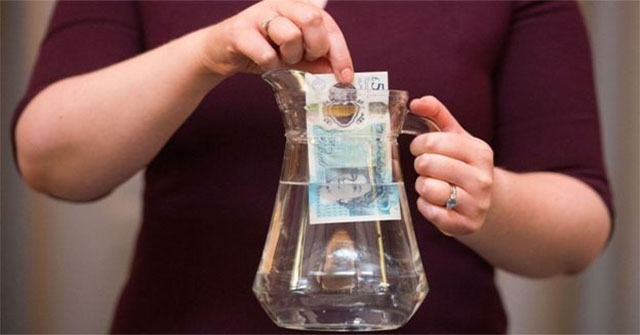
Last September, the Liberian government announced it had lost $ 104 million. The reason was not because of any weak investment decisions, or some accounting fraud but mo…
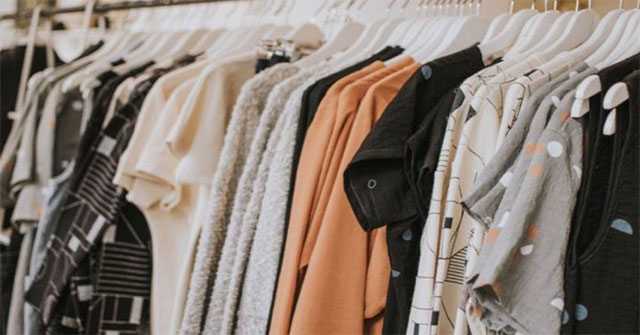
Clothing is an important need for humans, but the harsh reality is that fashion is polluting and devastating the environment.
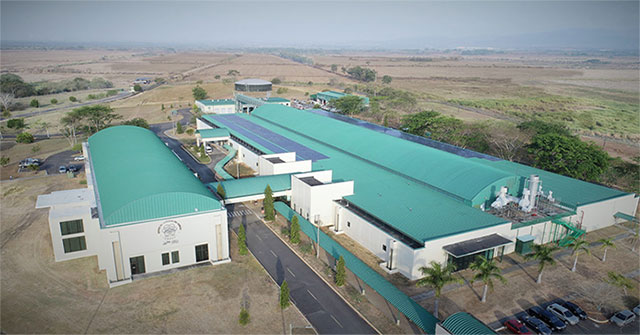
This is the only plant in the world that allows Panamanian and American scientists to work together to produce and release over 20 million irradiated flies every week, m…

In most cases, breast milk will be produced based on your baby's actual needs. The more often and effectively the baby feeds, the more milk the mother will produce.
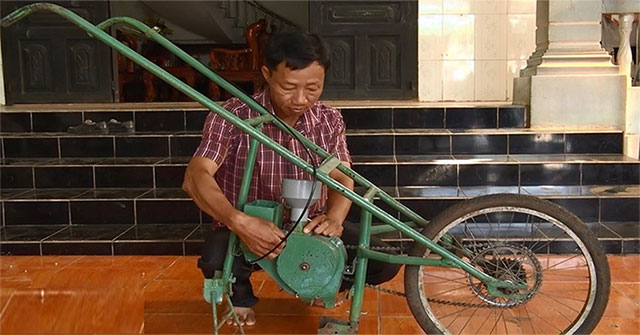
Machine designed by Nguyen Van Anh, born in 1980, residing in Dong Nai, designed with a handle similar to bicycle handlebars, driven by the thrust of the driver and the…
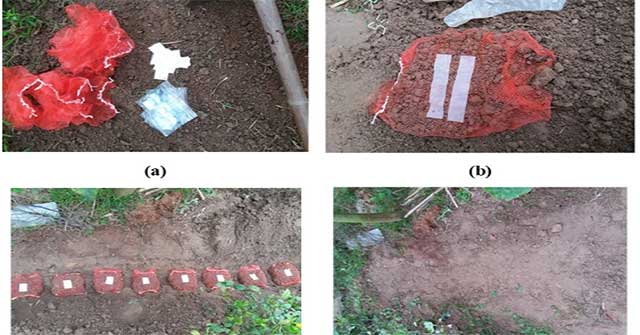
In less than 3 years, the bag will decompose into water and CO2, easily penetrating the soil, bringing nutrients to the plants.
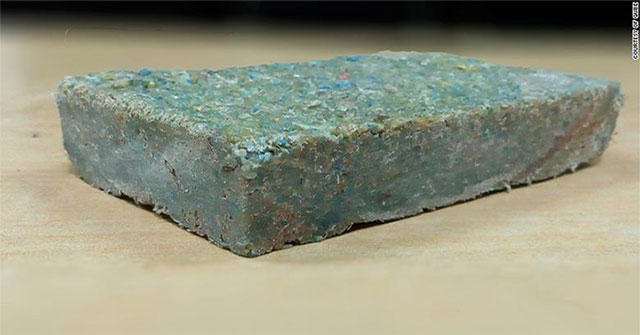
A young Indian has found a way to replace traditional brick kilns by making bricks from plastic waste cheaper and without environmental pollution. Moreover, the bricks c…
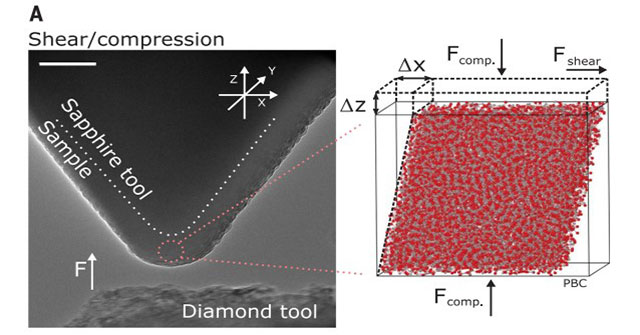
A new glass material, developed by researcher Erkka Frankberg and colleagues at Finland's Tampere University, now seems to have reached a level of ductility similar to m…
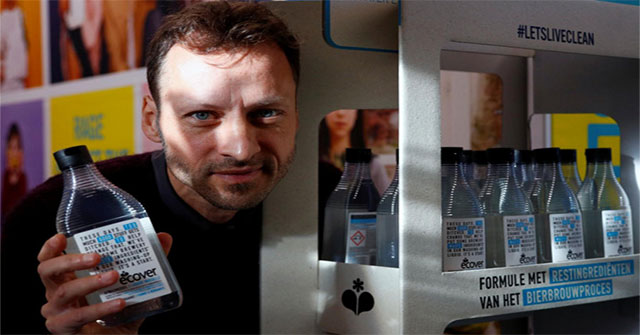
The huge amount of residual alcohol after the production of non-alcoholic beer has found a new useful exit: as a material for the new dishwashing liquid.
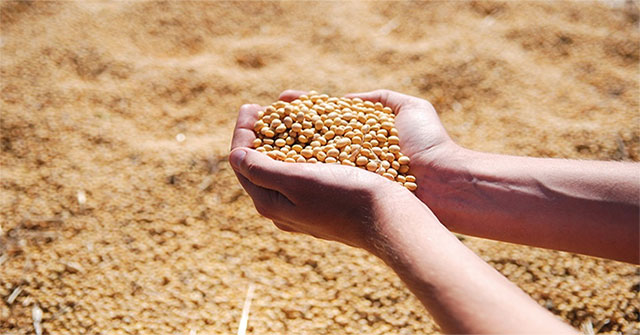
Soybeans have been a staple of Asian meals for hundreds of years. Now, this bean can become an alternative to plastic wrap.

There is a factory inside your body, weighing about 1.4kg and operating 24 hours a day, which is the liver, the heaviest organ in the body and one of the most important.
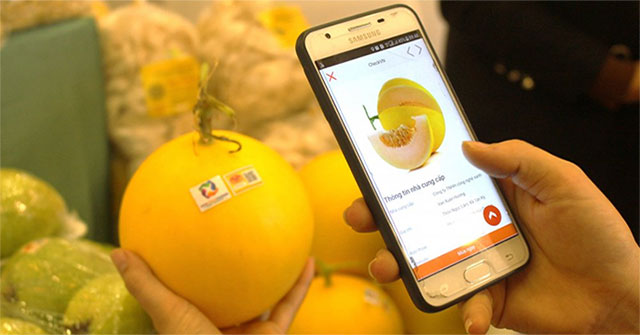
Traceability allows users to know the production process from raw materials to finished products and cannot be edited using blockchain technology.

The sun emits a lot of energy. Currently, many countries exploit this energy source to gradually replace other sources.