Archeology
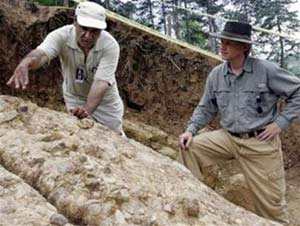
The ancient pyramid was discovered in Bosnian
A Bosnian archaeologist Semir Osmanagic announced the discovery of an ancient structure on a Herzegovina, Bosnian hill - which he thinks might be an ancient pyramid.
Browse ScienceInfo articles and explainers related to Professor.
1,276 published items.
A Bosnian archaeologist Semir Osmanagic announced the discovery of an ancient structure on a Herzegovina, Bosnian hill - which he thinks might be an ancient pyramid.
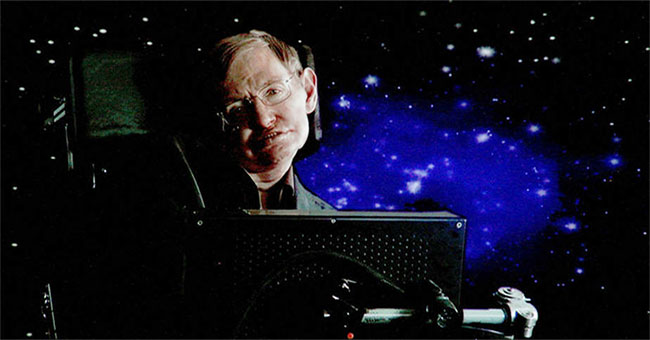
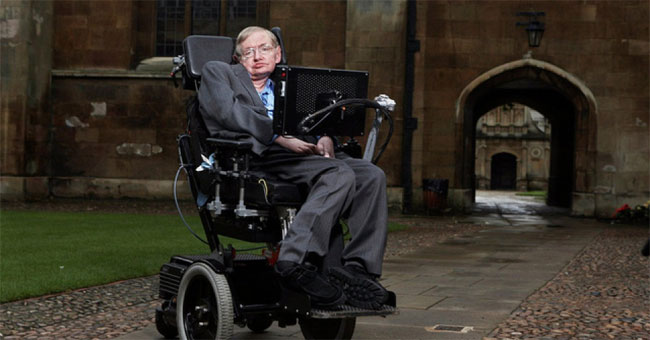
Professor Hawking died in March last year at his home in Cambridge, England after years of struggling with muscular atrophy, aged 76 years.
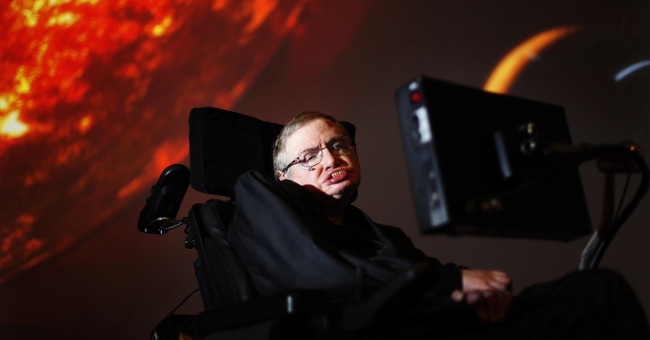
In this final work, Professor Hawking predicts that the universe will really end when stars run out of energy.
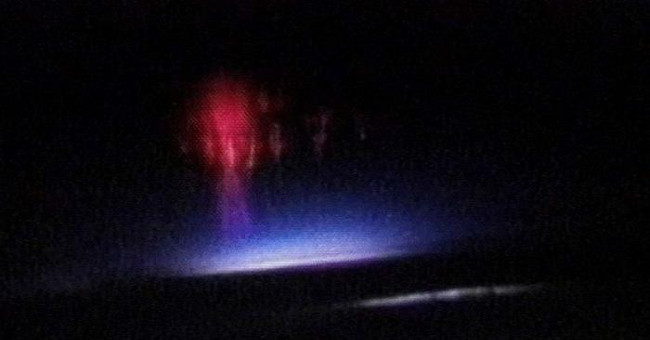
While gamma-ray bursts occur quite frequently and can be observed every day, this observation is almost impossible.

Hawking radiation is one of the most prominent works of Professor Stephen Hawking, helping decode the black hole and the origin of the universe.
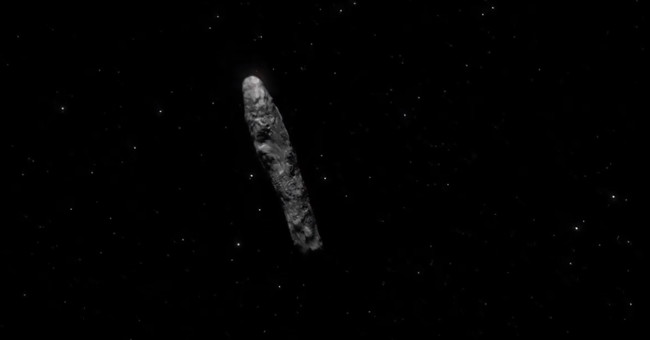
Scientists have not detected alien signals on interstellar travel objects' Oumuamua after the first scans.
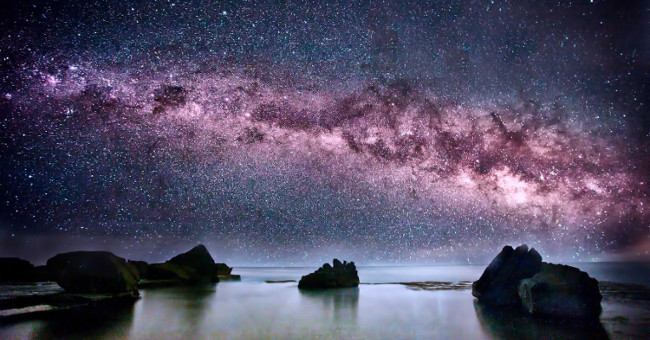
James Bullock, professor of physics and astronomy at the University of California, Irvine, USA, and colleagues conducted a theoretical study of the number of black holes…
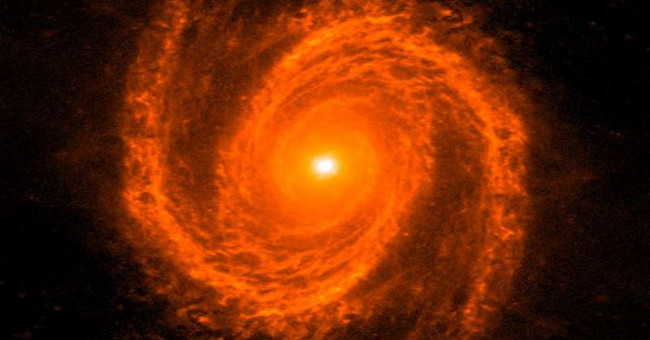
Dr. Benjamin Davis and Professor Alister Graham, led this new study to restore the link between mass black holes and spiral branch geometry.
The physical prince wants to create a micro-spacecraft that can fly
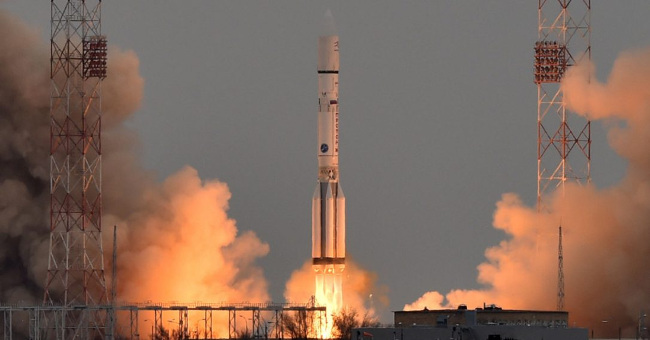
Is this the future of space travel?
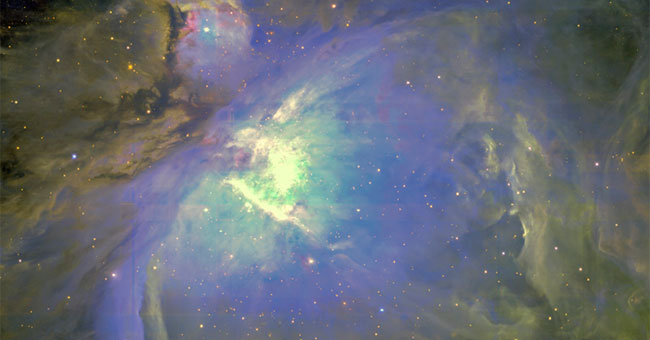
The Dark Energy Survey Project helps to shorten the search time and planet X can be accurately located at the end of this summer.
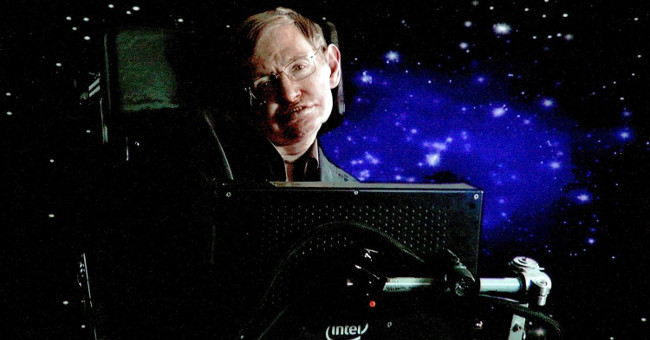
The black hole may be a shortcut to other universes, and if it is, this will be a landmark finding in astronomical space.
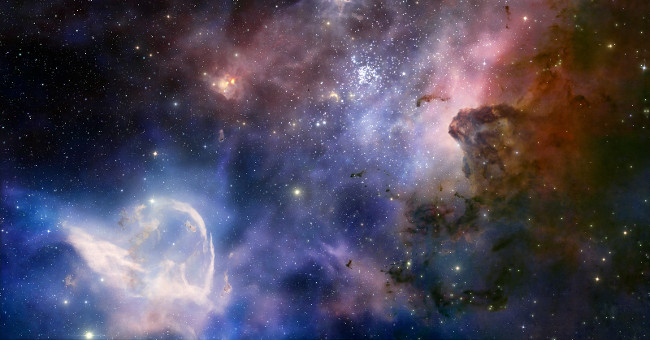
Many previous studies have suggested that the universe was formed after the Big Bang 13.8 billion years ago, and has since expanded at an increasingly terrible rate.

Physicist Stephen Hawking argues that humans can use a small black hole to supply electricity to the world.
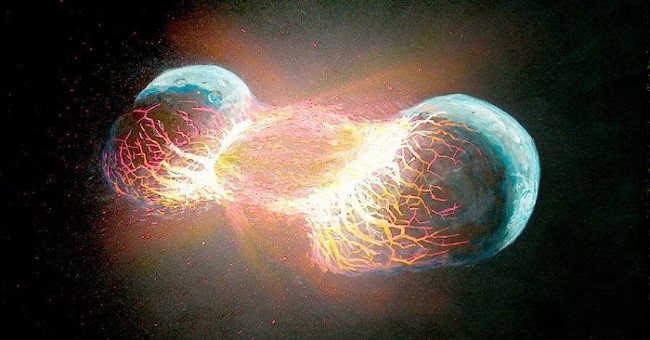
Recently, a study by the University of California (USA) has concluded that our Earth today is a combination of two planets from more than 4.5 billion years ago.