
Space science
NASA chooses 3 companies to design lunar rovers for Artemis astronauts
Astronauts in the Artemis 5 Mission Program are expected to drive the Lunar Rover on the Moon for the first time in 2030.
Browse ScienceInfo articles and explainers related to Program.
1,333 published items.
Astronauts in the Artemis 5 Mission Program are expected to drive the Lunar Rover on the Moon for the first time in 2030.

Amanda Nguyen's trip to space is part of the Citizen Astronaut program of the non-profit organization Space For Humanity, according to information shared by this organiz…

Research on plant growth is one of three experiments that Artemis 3 Program astronauts plan to deploy on the Moon.
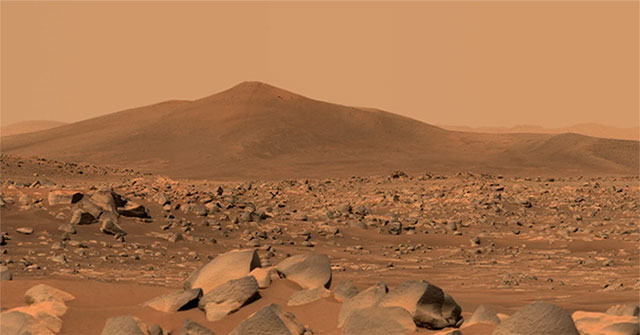
Nearly five decades ago, NASA launched the Viking Program (1975-1983), an American unmanned Mars exploration program to search for signs of life on the Red Planet.
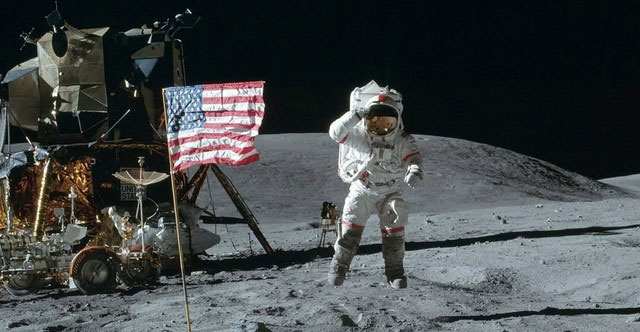
In the history of human space exploration, the Apollo program is certainly a glorious chapter.

Sergei Ponomarenko's suspicious appearance on a street in the Ukrainian capital Kiev caught the attention of the police.
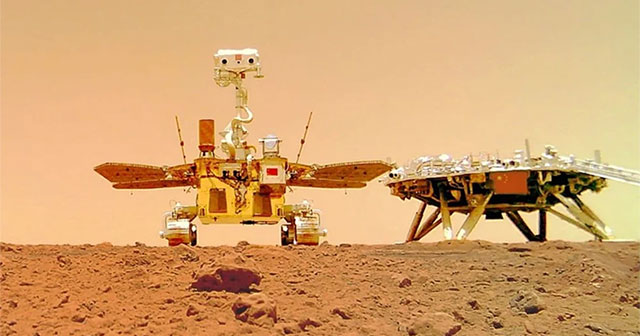
China will likely win against the US in the context of NASA having difficulty in its mission to retrieve samples from Mars.

China cloned two living Tibetan goats from the somatic cells of adult goats, helping to prevent the highland cattle breed from degenerating.

Recently, technology startup Cognition Labs introduced the Devin tool, the world's first software engineering AI.

The JUPITER supercomputer located in Germany has the potential to become the world's fastest supercomputer for AI applications.
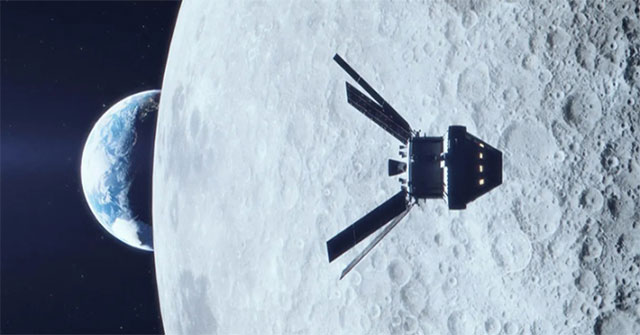
The first flight of the Artemis lunar exploration program will include a series of science experiments to prepare for future missions.
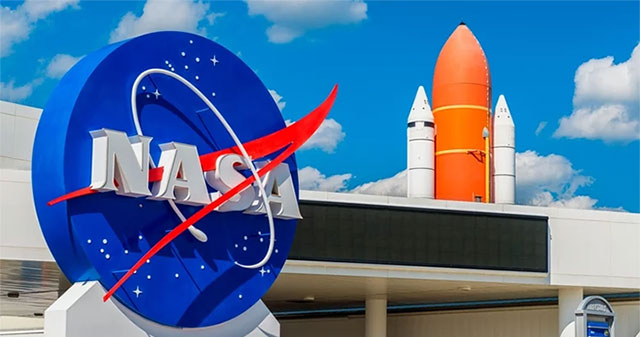
The Artemis program is an American aerospace project with the goal of returning humans to the Moon by 2024.

It is one of the most successful study programs in the history of aviation.

Using a cloud computing service, programmer relations expert Emma Haruka Iwao calculated 100 trillion digits of Pi, according to a June 8 announcement by Google.

Researchers are developing a new solar sail design that helps spacecraft navigate through space without fuel.