Discover science
Mouse, tarry hair in everyday foods
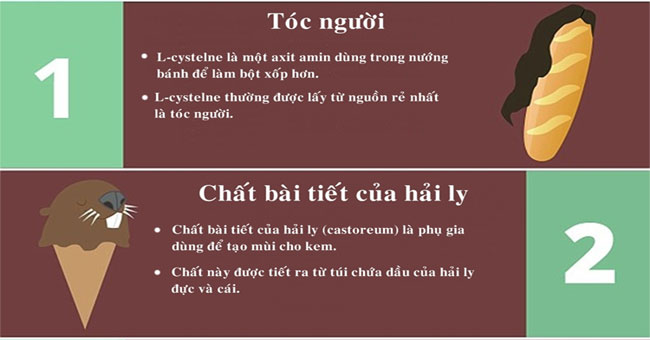
Our daily familiar dishes may contain a variety of exotic ingredients such as human hair, tar or rat hair.
Browse ScienceInfo articles and explainers related to Rat.
174 published items.
Our daily familiar dishes may contain a variety of exotic ingredients such as human hair, tar or rat hair.
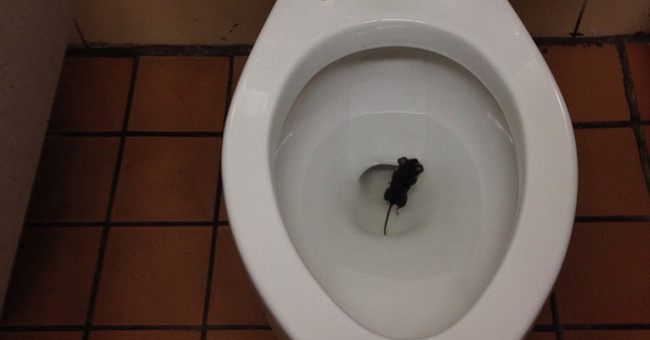
The rat species with a special body structure allows them to squeeze the body through any holes that their small head can pass through. So the mouse easily gets into you…

Self-hanging to try the feeling of suffocation, swimming in the reservoir of syrup, it is some really confusing experiments that have been deployed in history full of su…
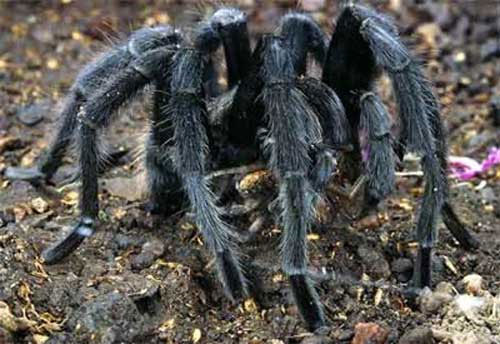
Spiders have outer bones, like shrimp or crab. They often have broken bones because they are very fragile. Falling from a low altitude can also cause them to die from fr…

Cats, rats and other predators emit a chemical signal that causes fear in mice.
A hundred-year dream of neuroscientists is to imagine a memory that has become a reality. Irvine researchers at the University of California used microscopic techniques…
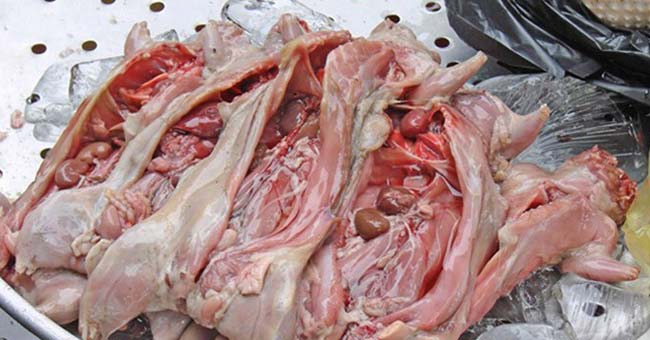
Deep-fried black spider, stomach rat, beef cow ... are super-horror dishes that make you look just enough to see!
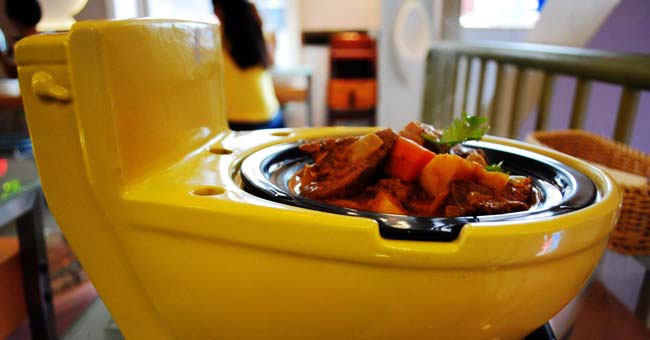
Did you know Hitler was nominated for a Nobel Peace Prize in 1939 and Iran has captured 14 rat squirrels for the purpose of spying in 2007?

Hydrolagus colliei fish have a muzzle and mouth that looks like a rat, so it is called a rat or a rat-rat fish. However, its size is not as small as a mouse, but it is n…
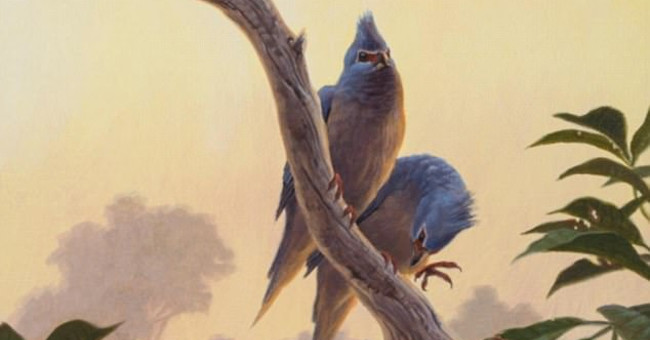
Accordingly, the fossil of the rat-bird set 62 million years ago showed that the bird layer was
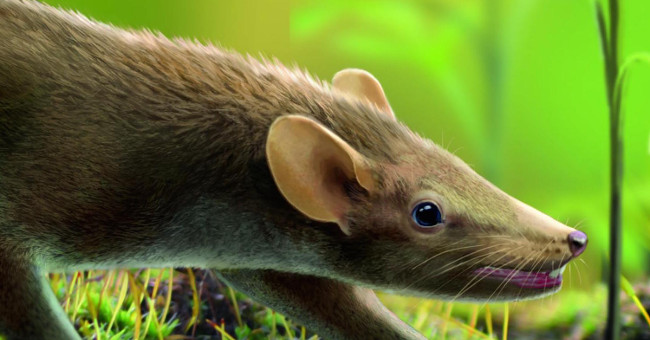
The 125-million-year-old fossil of the small reptile in intact marshes can even see feathers, skin and organs clearly visible.
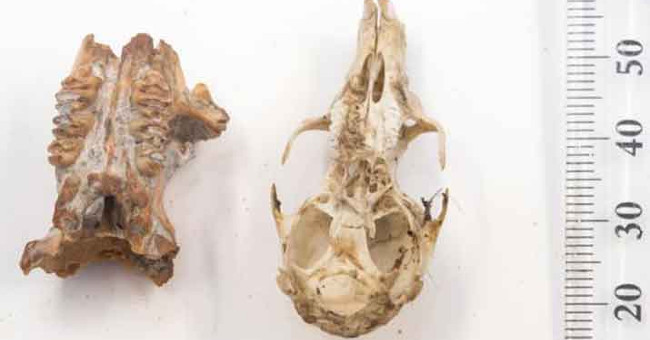
Giant mouse fossils discovered in Indonesia show that they can weigh 5 kg and are as big as a small Dachshund dog.

A mouse stuck and died in a 150-year-old trap displayed at the museum in England.

The mouse is 10 times the size of modern mice living in East Timor about 1,000 years ago, and is the largest rat ever discovered by archaeologists.

Australian scientists (CSIRO) have recently discovered the largest mouse fossil in the world ever in East Timor.