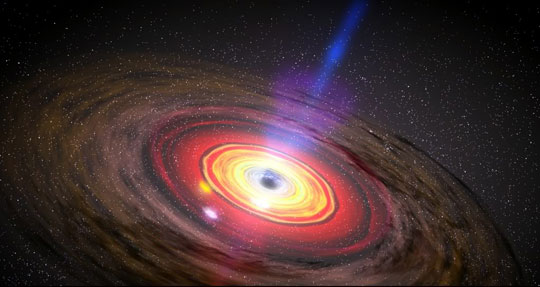
Space science
The discovery of the X-ray object has never been known
Scientists speculate that the X-ray object is most likely a neutron star or black hole tens of thousands of light years from Earth.
Browse ScienceInfo articles and explainers related to Ray.
407 published items.
Scientists speculate that the X-ray object is most likely a neutron star or black hole tens of thousands of light years from Earth.
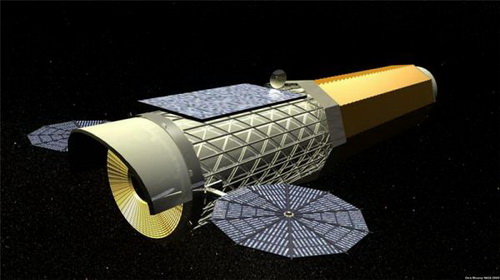
A cooperative project between the US Aerospace Agency (NASA), the European Space Agency (ESA) and the Aerospace Exploration Agency
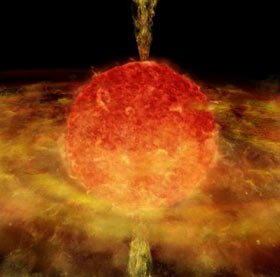
A star suspected of swallowing another star or planet next to it was found under the help of NASA's Chandra X-ray observatory.
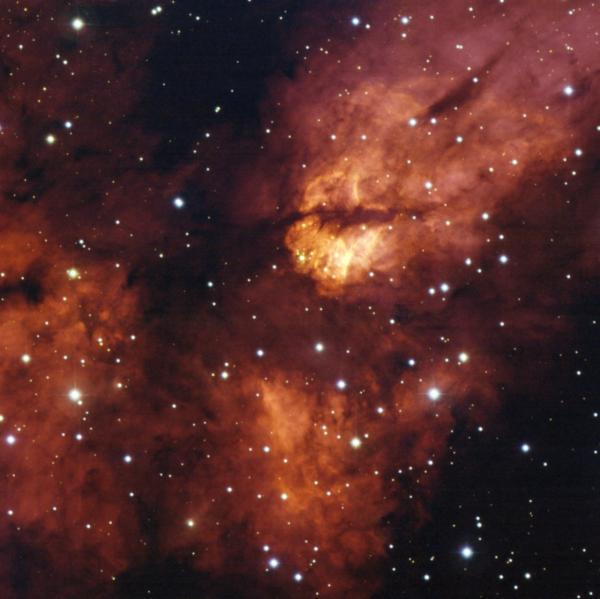
ESO recently published a series of central shots of a cosmic cloud called RCW 38, along with the newly created stars and planetary systems.
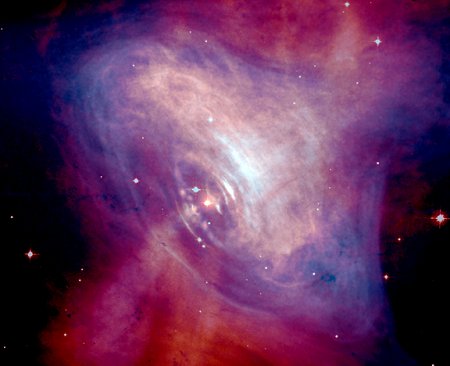
About 10 years ago the Columbia spacecraft launched with the astronomers' hopes and dreams - Chandra X-ray Observatory
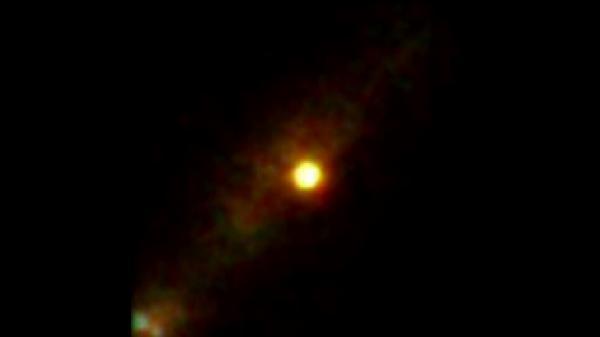
In two studies published in Science Express on July 2, the international team analyzed gamma rays from more than two dozen pulses, including 16 crystals discovered by th…
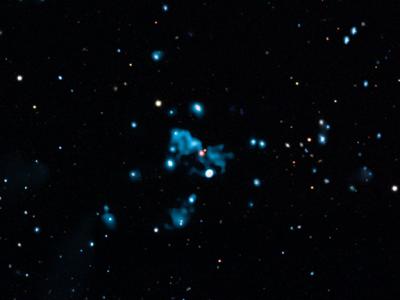
The Chandra X-ray Observatory (NASA) recently discovered a cosmic ghost lurking around a supermassive black hole in the distance.

International astronomers have just taken the most distant object image ever seen in the universe - 13 billion light-years from Earth.
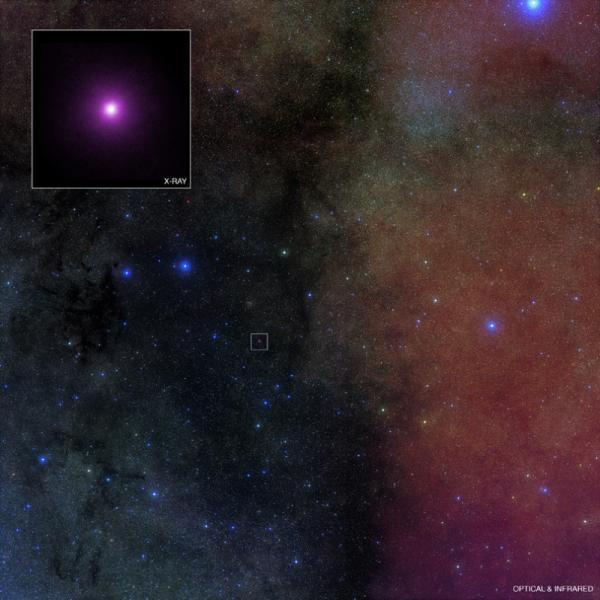
The new observation results from NASA's Chandra X-ray observatory have made a big step in explaining how a special black hole group can stop producing high-speed rays.

The Fermi telescope of the US Aerospace Agency (NASA) has discovered a massive explosion in the universe that could, according to scientists, be the largest gamma ray ex…
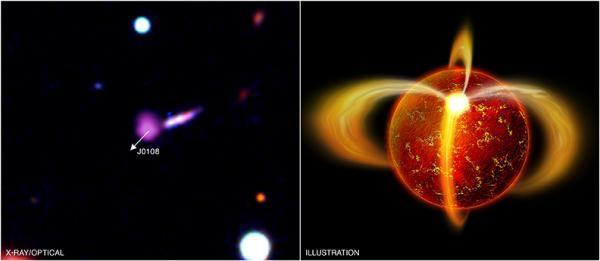
The oldest known lone asteroid has been discovered by NASA's Chandra X-ray observatory. This extremely ancient back object turned out to be surprisingly powerful.
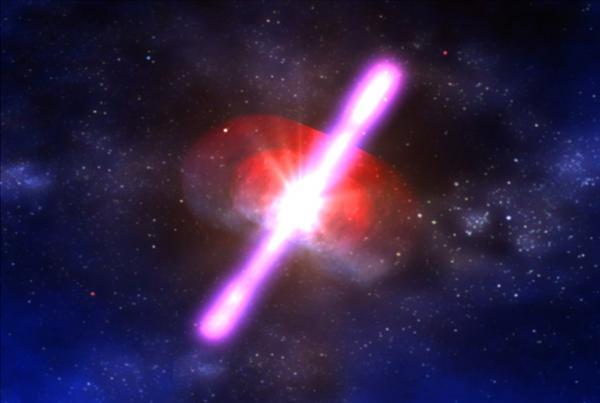
UK astronomers using the Swift NASA telescope have recently recorded information about the early stages of a gamma-ray burst.
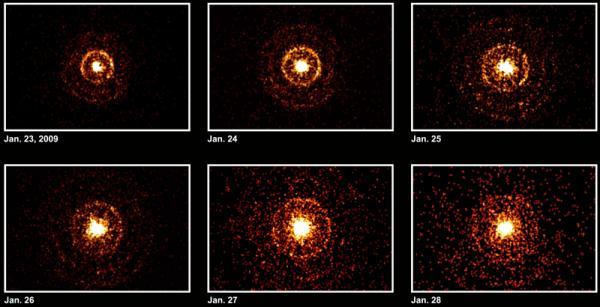
Astronomers use NASA's Swift satellite and Fermi Gamma Ray Space Telescope to observe explosions from the rest of a star 30,000 light-years away.
X-ray and gamma rays data from XMM-Newton of ESA and all orbit observations were used for the first time to check the physical processes that make up the magnetar emitti…
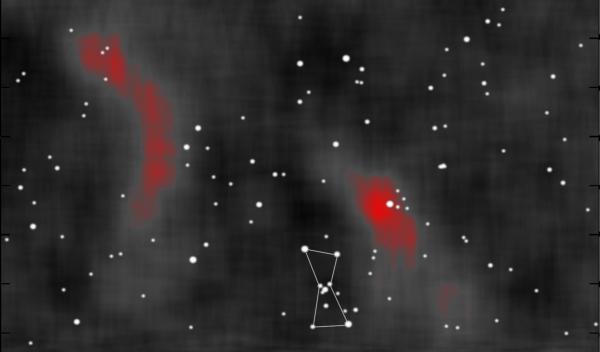
The Los Alamos National Laboratory observatory observes for the first time that two distinct hotspots seem to be bombarding the Earth with an enormous amount of cosmic r…