
Space science
Flight to Red planet 520 days and nights long
Science experiments 'Mars-500' flight simulation on the Red planet will begin at the end of March 2010.
Browse ScienceInfo articles and explainers related to Red Planet.
77 published items.
Science experiments 'Mars-500' flight simulation on the Red planet will begin at the end of March 2010.

US scientists have published a new map of Mars that shows there was a large ocean in the north and valleys lying around the planet's equator.
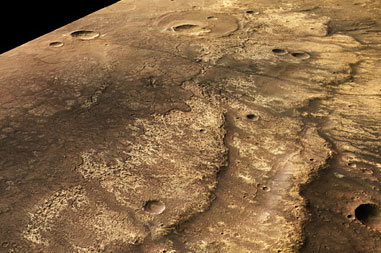
The methane on the red planet is created and disappears faster than methane on Earth, French scientists claim.
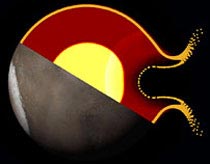
It is difficult to understand why Mars' poles look so different now that may have been elucidated.
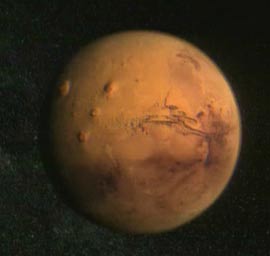
The NASA Research Institute has omitted signs that there is life on Mars during the past few decades. The reason is that the researchers have not observed remote areas b…
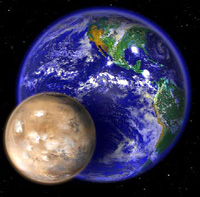
Will people set foot on Mars in 2020, 2050 or never? Predicting the timing is getting harder and harder. Strong radiation, bone loss in weightless environments, deadly d…
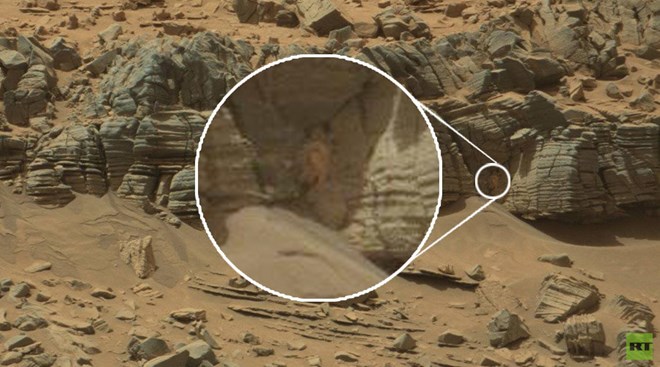
According to RT, social network users in the United States have accidentally discovered an
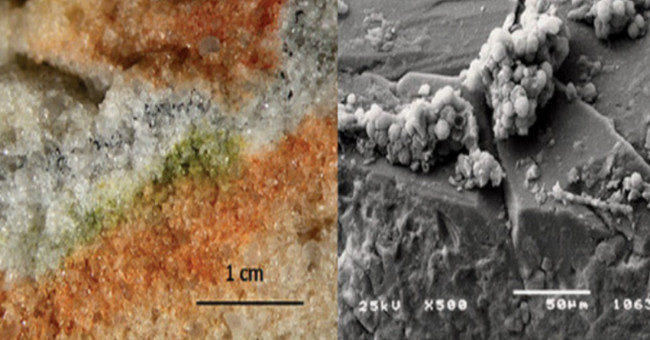
Antarctic mushrooms journey through 18 months on the International Space Station ISS, proving the ability to endure the rigors of Mars.
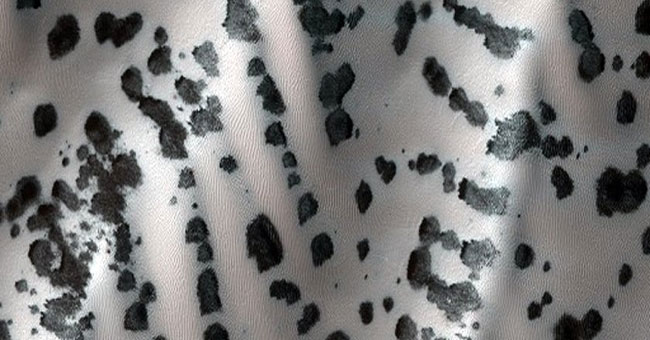
Mars is also known as Red planet, but under the lens of HiRISE, a camera of the Mars surface tracking program, this planet is not only red.
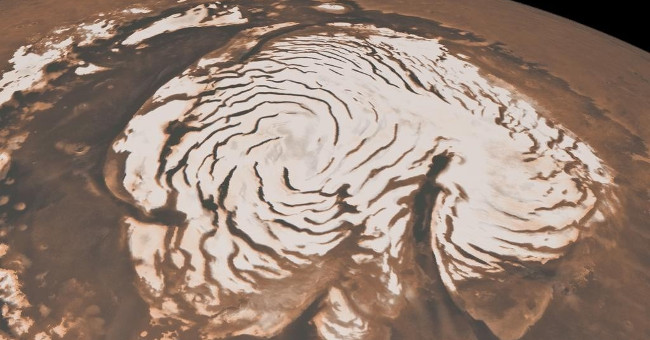
Mars is the planet most researched by scientists in the universe (after the Earth). So far, the World has launched 43 missions to reach this planet, half of which have b…
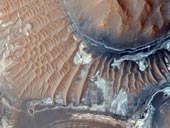
NASA's probe on the probe captures images of the valley, barren lands or craters of the red planet.
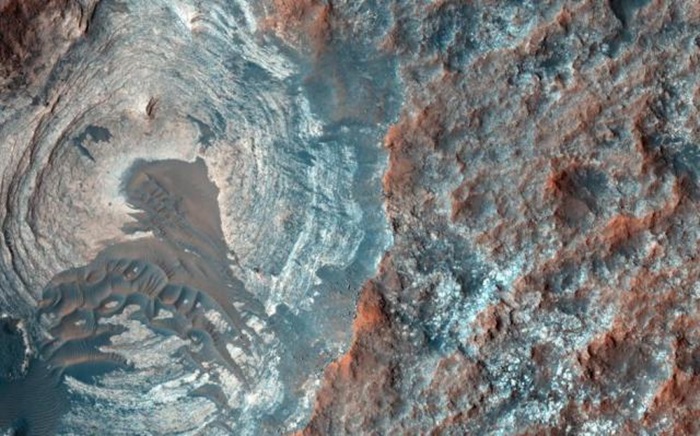
Recently images of high resolution Martian surfaces sent by Nasa's explorer ship revealed the surface of the Red planet.
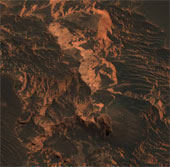
The images posted on The Verge page recently will give us a completely different look

Mars is actually not a star, but the fourth planet near the sun. Mars is like Earth in many ways: four seasons, ice poles ...

NASA has revealed stunning images of the Martian surface due to the high resolution camera on the red planetary probe.