
Environment
Secondary forest - The key to reducing emissions
Restored tropical forests on reclaimed land for agricultural production and livestock grazing not only grow faster but also absorb a larger amount of CO2 than perennial…
Browse ScienceInfo articles and explainers related to Reduction.
162 published items.
Restored tropical forests on reclaimed land for agricultural production and livestock grazing not only grow faster but also absorb a larger amount of CO2 than perennial…

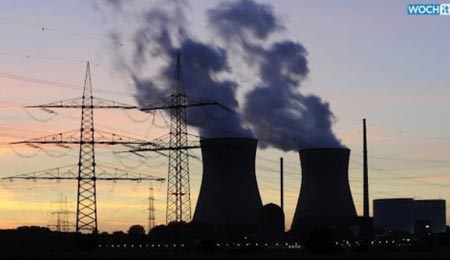
Towards the end of the COP21 Global Climate Change Summit, many countries have planned and sent reports on greenhouse gas reductions.
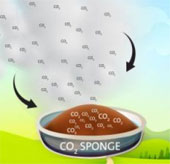
A plastic sheet like the greenhouse gas sponge carbon dioxide (CO2) can easily convert this contaminated fossil fuel into new energy sources.
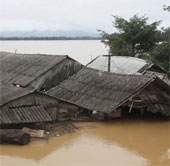
The German Development Cooperation (GIZ) will support Vietnam with 4 million euros to implement a climate change mitigation project in accordance with Vietnam's conditio…

The European Parliament has voiced support for a draft plan to cut 50% and 80% of nylon bags in 2017 and 2019 respectively, compared to 2010.

In October 2009, President Yudhoyono announced that Indonesia would cut CO2 emissions by 26% by 2020, of which 40% would be implemented with international support.

Pacific countries can suffer from 2.9-12.7% of Gross Domestic Product (GDP) by 2100 because of the effects of climate change.

According to the latest data published by the Philippine National Disaster Risk Reduction and Disposal Council (NDRRMC) on November 19, Typhoon Haiyan killed 3,892 peopl…

The European Parliament (EP) on September 11 has approved a plan to limit the use of traditional biofuels in addressing concerns about greenhouse gas emissions.

The production area will not be able to achieve the CO2 reduction target by 2050 because it is difficult to further improve energy efficiency.

More than 250,000 people living in coastal residential areas in California (USA) can become victims of tsunamis when a major earthquake occurs in the region.

Warming of the Earth's climate is the cause of a rapid increase in greenhouse gas concentrations, including carbon dioxide (CO2), methane (CH4) and nitrogen dioxide.

Opponents argue that nuclear energy is not only dangerous but also necessary for addressing climate change.
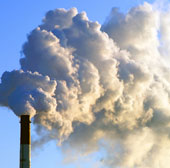
Global carbon dioxide (CO2) emissions are rising again in 2012, reaching a record high of 35.6 billion tons.