Oceanography
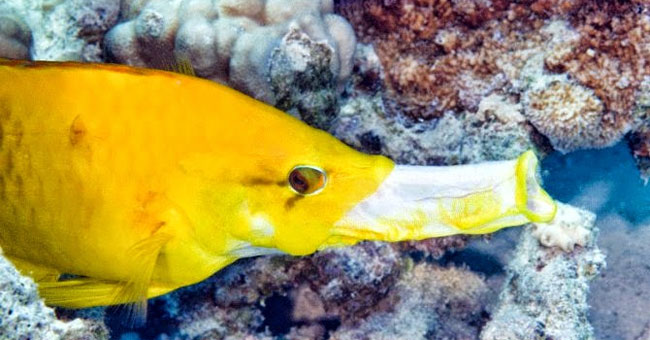
This is the fish that has the worst mouth on the earth
Thanks to its versatile jaws, Slingjaw fish can extend their mouths to facilitate access to prey.
Browse ScienceInfo articles and explainers related to Reef.
252 published items.
Thanks to its versatile jaws, Slingjaw fish can extend their mouths to facilitate access to prey.

The Australian ABC news agency on November 5 reported for the first time that Australia discovered pink rays off the coast of Lady Elliot island in the world's largest c…
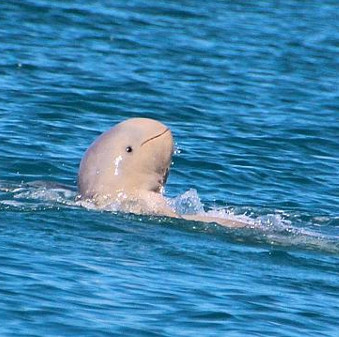
A Queenslander is quick to record the rare smiling moment of the upturned dolphin in the waters off the north of Australia.
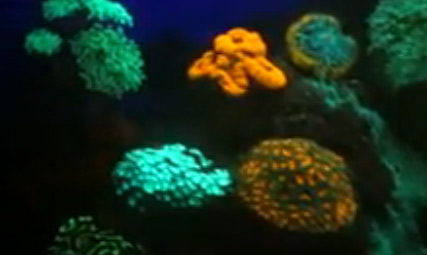
Scientists discovered colorful coral fragments capable of rainbow-like natural glow beneath the Red Sea.
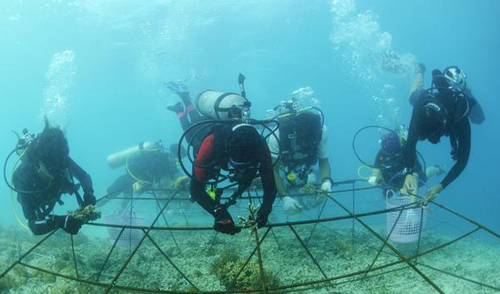
Ecologists in Indonesia apply simple technology to create biological rock at the bottom of the sea, to protect coral reefs.
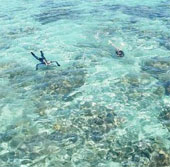
Great Barrier Reef coral reefs, Queensland-Australia eat plastic debris in the ocean. This new finding has made scientists extremely concerned.
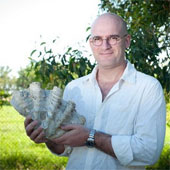
Australian scientists have inadvertently discovered a new giant oyster species living in the waters of Northern Australia.
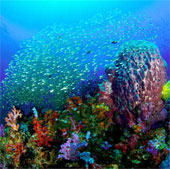
Vietnam is one of the countries that owns the most marine corals in the world, playing an important role for the sustainable development of the country.
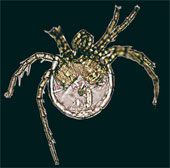
A new species was discovered and named Litarachna lopezae, after the famous Puerto Rican singer Jennifer Lopez.
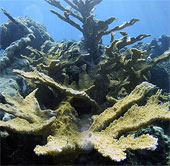
There have been 30.4% of Indonesia's coral reefs destroyed, a major impact on the environment and public welfare.
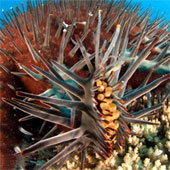
Thanks to the effectiveness of a new method, in the past two years Australia has removed more than 250,000 thorny starfish from the Great Barrier Reef off Queensland.
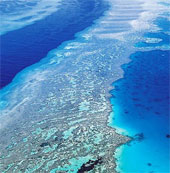
The United Nations Educational, Scientific and Cultural Organization (UNESCO) has warned Australia is pushing the Great Barrier Reef into a list of endangered World Heri…
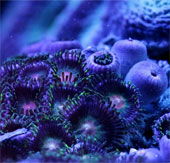
Graduate student Daniel Stoupin from the University of Queensland, Australia captured the corals and put the pictures together to see their beautiful movement.
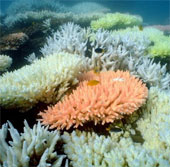
Natural heritage areas such as the Great Barrier Reef are unable to withstand the effects of increased temperatures.
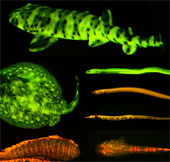
On January 9, scientists at the Museum of Natural History in New York City, USA (AMNH) announced the discovery of more than 180 species of