Biology
Decode the genetic genome of the termite
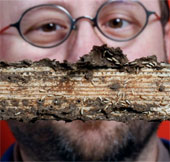
According to a press release from the University of North Carolina (USA), experts decoded and analyzed the genome of a termite species, which is moist wood termites.
Browse ScienceInfo articles and explainers related to Release.
367 published items.
According to a press release from the University of North Carolina (USA), experts decoded and analyzed the genome of a termite species, which is moist wood termites.
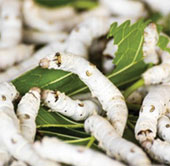
Silkworms eat mulberry leaves and release silk usually yellow. Want other colors must go through the dyeing stage that waste water into the environment is very toxic.
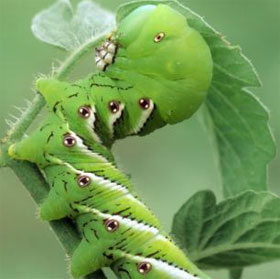
A caterpillar that feeds on tobacco leaves contains toxic nicotine, has used the technique
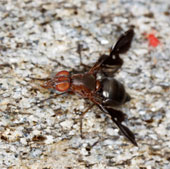
Flies with Ulidiid have a very strange habit: after mating, it releases male sperm and eats. Their strange behavior allows flies to choose their fathers for their childr…
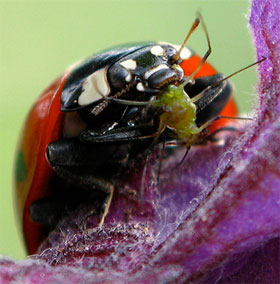
The management of a large supermarket in the US releases about 72,000 ladybirds into stores to kill the aphids.
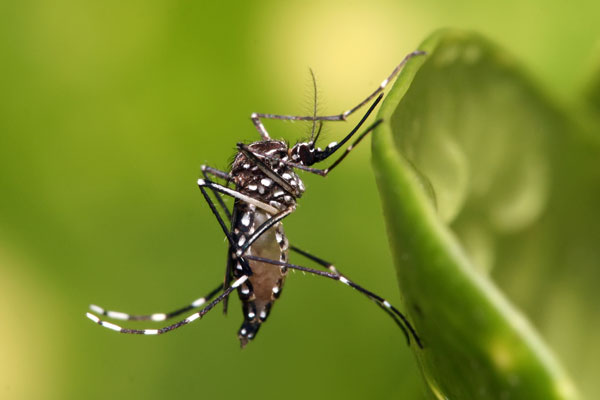
Brazil will release an army of genetically modified mosquitoes into the environment to prevent dengue epidemic spread across Brazil, causing nearly 500,000 people to get…

In a press release on June 6, the Beijing Gene Institute said the research achievements laid the foundation for the development of higher-yielding, better-quality pears…
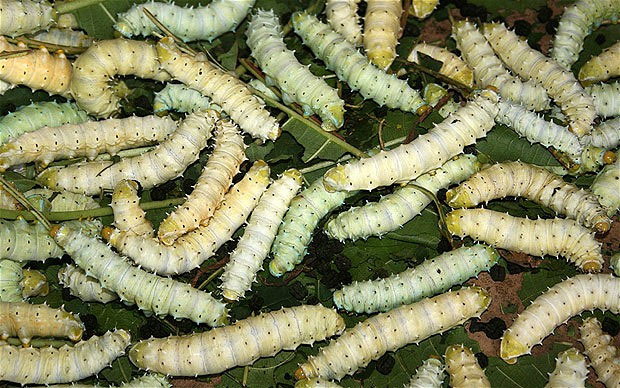
US scientists have created a genetically modified silkworm that can release silk, giving it the potential to produce bulletproof garment materials.
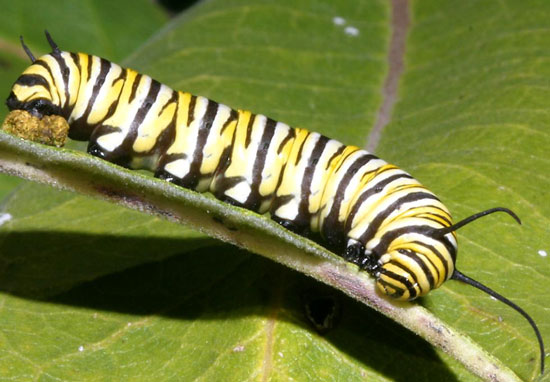
China will release 600 million bees this month, to kill moth-destroying moths - according to Xinhua on August 8.
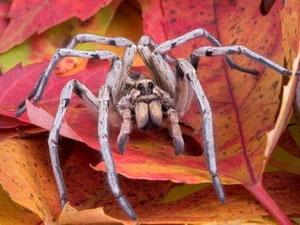
A recent study by scientists from the University of Newcastle (UK) showed that spider spiders have the ability to release silk from the legs, thereby helping them to sta…

The technique of making mosquito infertility is a technique to release male mosquitoes that have been sterile into the population.

Male fruit flies often secretly release protein into the partner's body, making females no longer want to mate with other guys.

Without leaving the ground, bacteria can still produce rain if the chemicals they release into the air reach the locations of the clouds.

Plants store a greenhouse gas, and release another. While they retain carbon dioxide, they release methane although in small amounts. This has been hedged by scientists…