
Medicine - Health
Regular work with email is prone to high blood pressure
The results of the latest study by scientists at Loughborough University in the UK said that working regularly with e-mail will cause frequent stress, which increases th…
Browse ScienceInfo articles and explainers related to Risk.
2,385 published items.
The results of the latest study by scientists at Loughborough University in the UK said that working regularly with e-mail will cause frequent stress, which increases th…

Patients who have had surgery in public hospitals in the UK on the weekend have 82% of the risk of death within one month after surgery, the death rate is higher than th…

Scientists have found positive evidence of a link between pets and a reduction in heart risk factors.

Boys with ADHD (attention deficit hyperactivity disorder) seem to be more likely to be obese when they grow up.

The newborn placenta test of newborns can detect the risk of autism and early treatment to improve the quality of life of children, according to the Daily Mail on April…
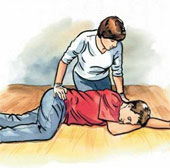
A transient ischemic attack is considered an important warning sign of stroke. About 40% of people with transient ischemic events will experience a stroke, according to…
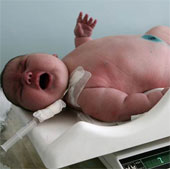
A recent study by British scientists said babies born with abnormal weight, more or less than the standard are at risk of dysfunction in the body and are susceptible to…

Baldness is at risk of high heart disease, short-legged risk of liver disease, poor sense of smell easy to develop Parkinson's disease ... these are the future health ma…

The development of the immune system in newborn babies and vitamin D levels vary depending on the month of birth, a new study suggests.

Children who live near noisy roads are always faced with the risk of hyperactivity and reduced attention, a study shows.

Some simple changes in diet and lifestyle can help you immunity to a range of deadly diseases and help increase life expectancy.

The habit of chewing gum may increase the risk of obesity, according to a new study published by American scientists.

Women with low levels of melatonin hormone (also known as dark hormone) at night have a twofold increased risk of type 2 diabetes, according to MyHealthNewsDaily.
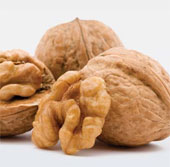
A new study published in Nutrition magazine on April 1 showed that the risk of diabetes among women who regularly eat solid walnuts

Researchers at Lawrence Berkeley National Laboratory in California (USA) compared data from two surveys of 33,060 joggers and 14,045 pedestrians.