Animal world
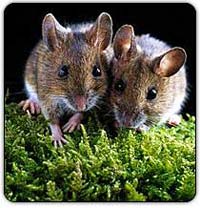
Mice are kind and sympathetic than we think
The anxiety, the sympathy that the mouse has for those in need is surprising to scientists.
Browse ScienceInfo articles and explainers related to Rodent.
83 published items.
The anxiety, the sympathy that the mouse has for those in need is surprising to scientists.
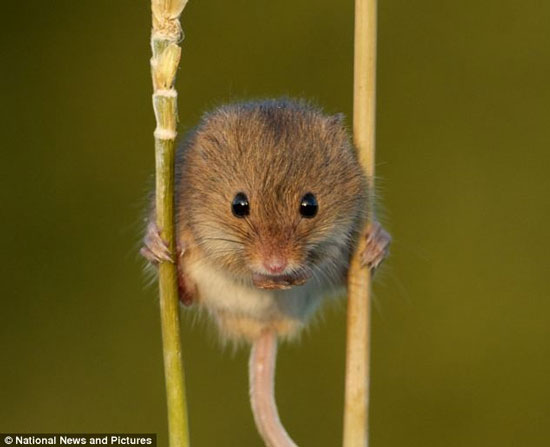
Matt Binstead, an amateur photographer at the Wildlife Center in England, took a picture of the mouse using his two hind legs and the tail of two rice hulls.
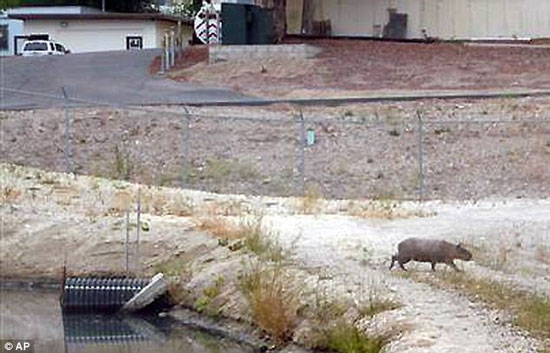
A South American hamster as big as a pig, weighing at least 45kg, was filmed at a California water treatment facility before it disappeared in the bush.
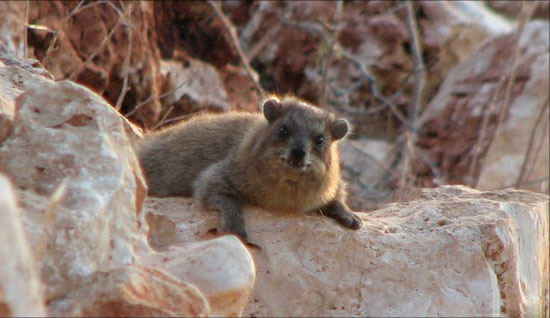
Scientists at the University of Haifa discovered the phenomenon of rocky hare (Hyrax) that likes to make burrows near residential areas because of bricks and stones crea…
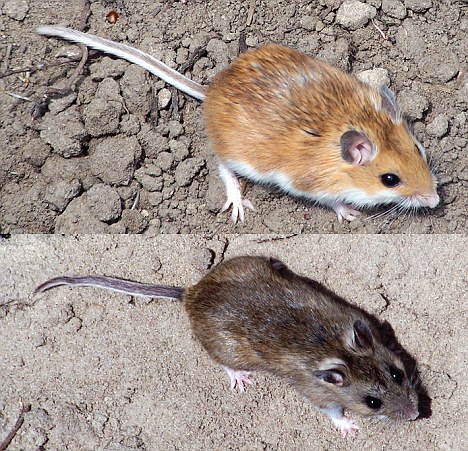
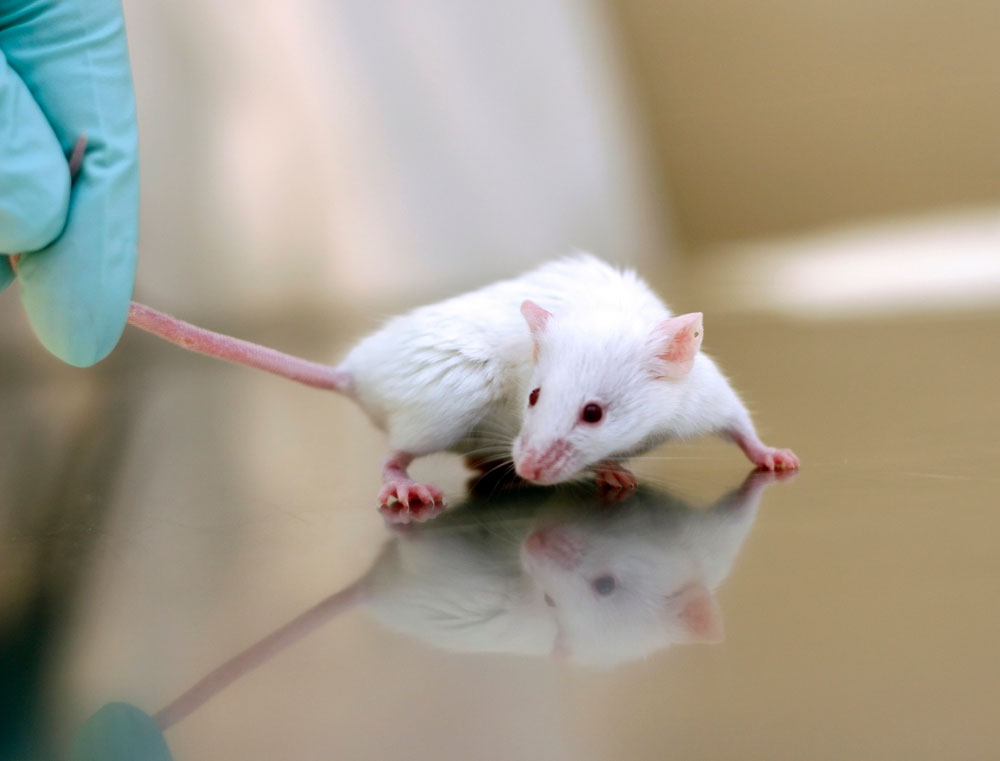
According to the 28th news from the British media, scientists have discovered that a mouse can also change color to protect them from extinction before predators.
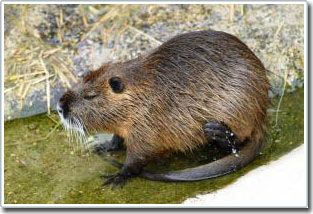
Rodent pests that weigh only 10 pounds are devastating the swamp south of the United States recently, destroying the Mississippi River swamp ecosystem with a level of da…
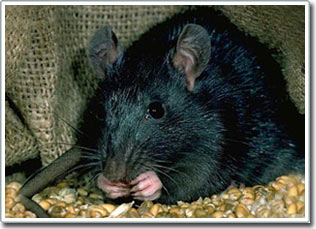
Through the haploid genome analysis of many hamster models in the world, it is possible to find signs of these four rodent growth periods respectively according to the m…
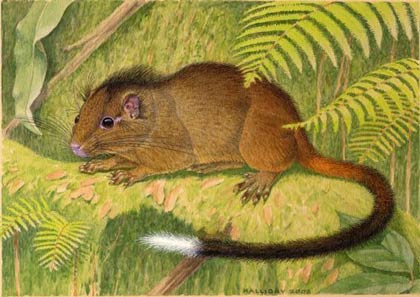
A new 'amazingly impressive' animal has been discovered in the Peruvian forests. New rodents detect similar squirrels and have

Paca is a large rodent, living in a tropical rainforest, and has the scientific name of Agouti paca. They often live near water, preferring to live on the banks of small…

Chinchilla mice are rodents with the scientific name Abrrocoma cinerea. This animal has the shape of a mouse, has the same fur as the fur of Chinchilla squirrel. It is b…
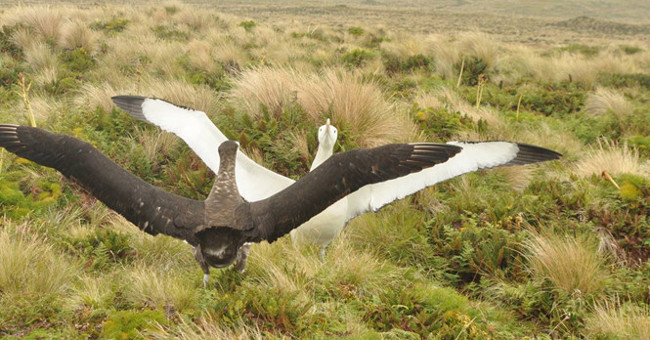
The New Zealand Herald on March 21 quoted New Zealand Conservation Minister Eugenie Sage as saying that the Antipodes island near Antarctica had no threat to the unique…

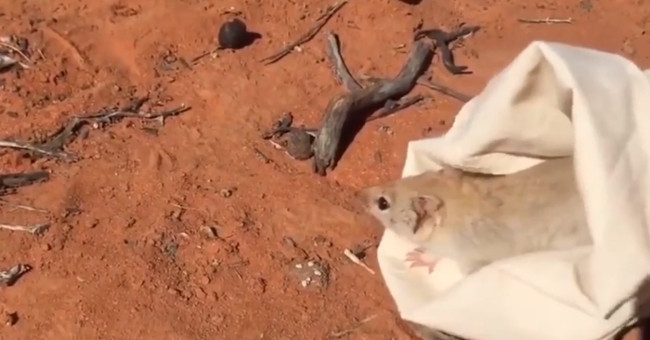
Scientists found that mice were thought to be extinct more than 100 years ago in an Australian national park.
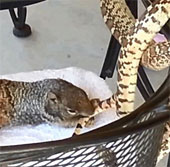
Unlike the usual sight, snakes often eat small squirrels. However, a rodent dared to tease and bite the snake's body.