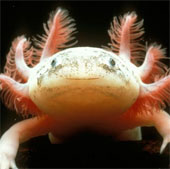
Animal worldGiant giant relatives of newts, frogs the size of paper pins, amphibians that do not have tentacles and transparent invisible salamanders are among the most bizarre crea…
December 16, 2018
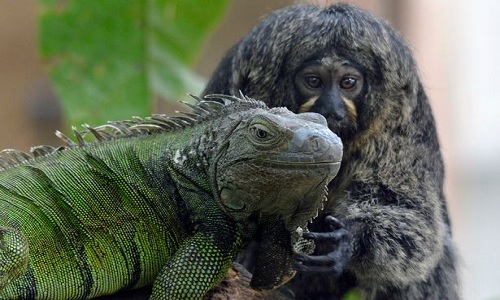
Animal worldThe squirrel and salamander monkey is the famous duo at Krefeld zoo, Germany, and the little monkey even massages his friend.
December 16, 2018

Animal worldAs the world's largest amphibian, Chinese giant toad fish is facing the risk of extinction.
December 16, 2018
Animal worldOne thing needs to be affirmed that, this Earth itself - our common home still exists an abundance of mysterious things that people have never known, typically species o…
December 16, 2018

Animal worldSome animals are endowed with superhuman abilities to survive in nature, such as the Mexican salamander that can re-grow both the heart and the brain.
December 16, 2018
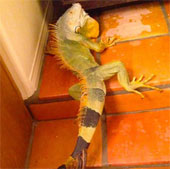
Animal worldA salamander has 8 tails, a long tail and 7 short tails, recently discovered in the United States.
December 16, 2018
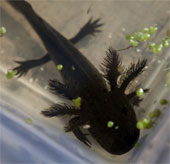
Animal worldThe salamanders or 6-horn dinosaurs were found by scientists after a month of being declared extinct.
December 16, 2018
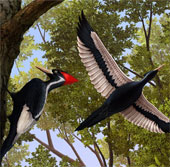
Animal worldBelow is a list of 10 animals that need attention and protection to avoid the danger of extinction according to All About Wildlife.
December 16, 2018

Animal worldFreshwater minnows, gaurs, elephant or salamander seals are amazingly large animals but not everyone knows.
December 16, 2018
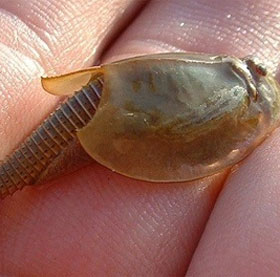
Animal worldShark goblins, wrinkled skin sharks ... have evolved to match nature and survive to this day ...
December 16, 2018

Animal worldOver the past 25 years, more than 40% of amphibian species are threatened with extinction, but according to a new statistics page of the database of Amphibiaweb amphibia…
December 16, 2018
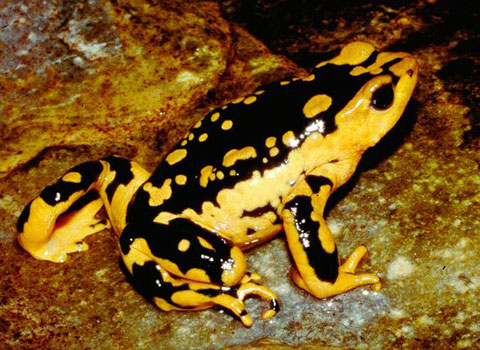
Animal worldRed-eyed primates, dwarf salamanders are among the red-listed species, at high risk of extinction, published by the International Union for Conservation of Nature (IUCN)…
December 16, 2018
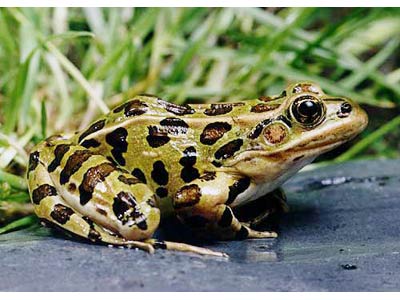
Animal worldScientists discover that Bd fungus is the main reason for the number of amphibians to drop from 4-5% per year over the past 40 years.
December 16, 2018
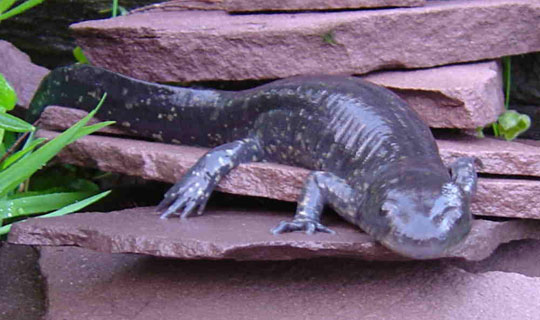
Animal worldScientists have discovered the principle of self-regenerating limbs of the salamanders - that is, the ability to create multifunctional stem cells.
December 16, 2018